Once upon a time, Ola Electric was seen as the flagbearer of India’s EV revolution and the government’s “Atmanirbhar” manufacturing push
But now, the electric vehicle producer is under intense international scrutiny following allegations of industrial espionage involving South Korea’s LG Energy Solution (LGES).
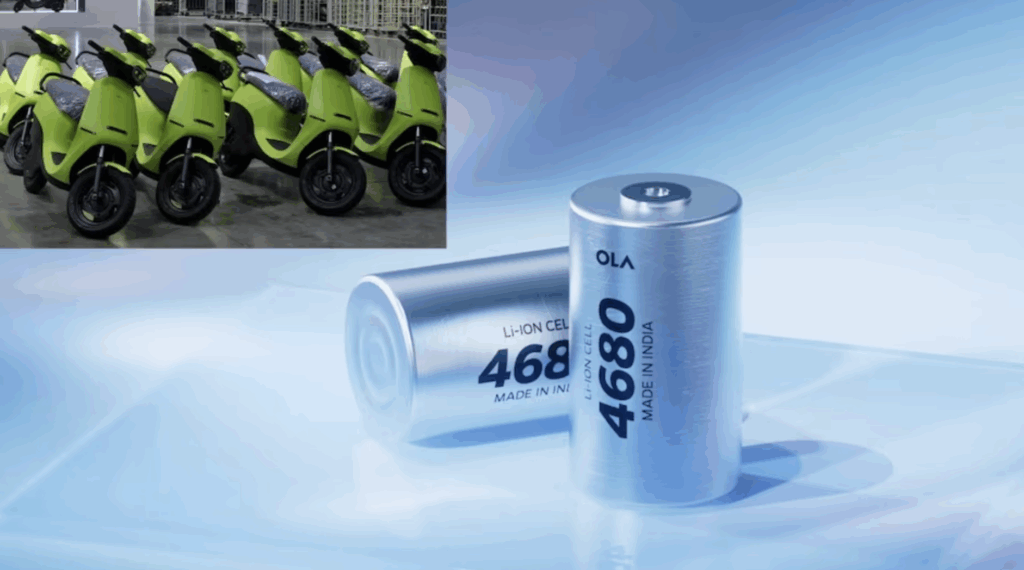
It appears that the scenario is further intensified by a recent post by a financial analyst as it has accused Ola and CEO Bhavish Aggarwal of using proprietary LG battery cell technology which is worth in billions to create the much-hyped “Bharat Cell” and capitalize it on India’s flagship PLI (Production-Linked Incentive) manufacturing scheme.
How Did This Alleged Espionage Happened?
It started during Nov 2023, when“Mr. A,” a top LGES researcher, was hired by Ola Electric soon after leaving LGES in South Korea.
The researcher allegedly transferred core proprietary data for LG’s next-generation, high-density, pouch-type battery cells to Ola Electric in India post November 2023.
It also includes the manufacturing know-how and intellectual property.
The LGES’s security team detected the breach at the start of 2025 and further triggered a formal investigation by the South Korean government’s National Intelligence Service (NIS)—escalating the issue from business dispute to national security crisis.
Moving ahead, the researcher was fired from Ola Electric on October 16, 2025.
The research was referred for prosecution by South Korean authorities, with charges centered on leaking South Korea’s “national core technology.”
How Does It Affect?
When it comes to Ola Electric’s rapid unveiling of the “Bharat Cell”, it is a 4680 cylindrical cell project touted as homegrown innovation.
But now, it is challenged, with claims that the core tech was reverse engineered from LG’s pouch-type battery “recipe.”
So far, Ola Electric is a major beneficiary of India’s PLI scheme which is intended to foster domestic innovation.
Now the scenario has changed as it faces uncomfortable questions about whether its celebrated advances are in fact founded on stolen foreign blueprints.
This could also become a cause of Korea–India Diplomatic Fallout and Industry Impact as Industry experts and commentators are calling this scandal a national embarrassment, putting strain on India-South Korea diplomatic relations and credibility of India’s EV policy.
Not only that, the case has drawn South Korea’s top intelligence agency, reinforcing the issue’s seriousness far beyond routine IP disputes.
Earlier, the launch of a sweeping security probe was confirmed in Korean media reports and statements by LGES officials.
According to them, such unauthorized technology transfer could accelerate India’s technological leap—but at the cost of international trust.
Coming to Ola Electric, this is not the first tech controversy as the company had previously faced legal notice from MapmyIndia over alleged API misuse.
In the meantime, the electric vehicle manufacturer has claimed over 200 patent filings in two years including a large investment in its Battery Innovation Center.
Although, this latest probe risks denting its homegrown tech credentials.