Wall Street’s multi-year confidence in artificial intelligence is undergoing a major stress test, as investors increasingly view OpenAI—and the broader generative AI sector—not as a guaranteed engine of exponential growth but as a potential source of systemic risk for the technology industry. A dramatic selloff in tech stocks on Thursday highlighted the market’s growing frustration with the “spend now, profit later” strategy that has powered the AI boom for the past three years. Microsoft led this downturn, with its shares plunging 12 percent by midday, wiping out more than $440 billion in market value in one of its worst collapses since the pandemic era. The Nasdaq index was also down nearly 2 percent during the session.
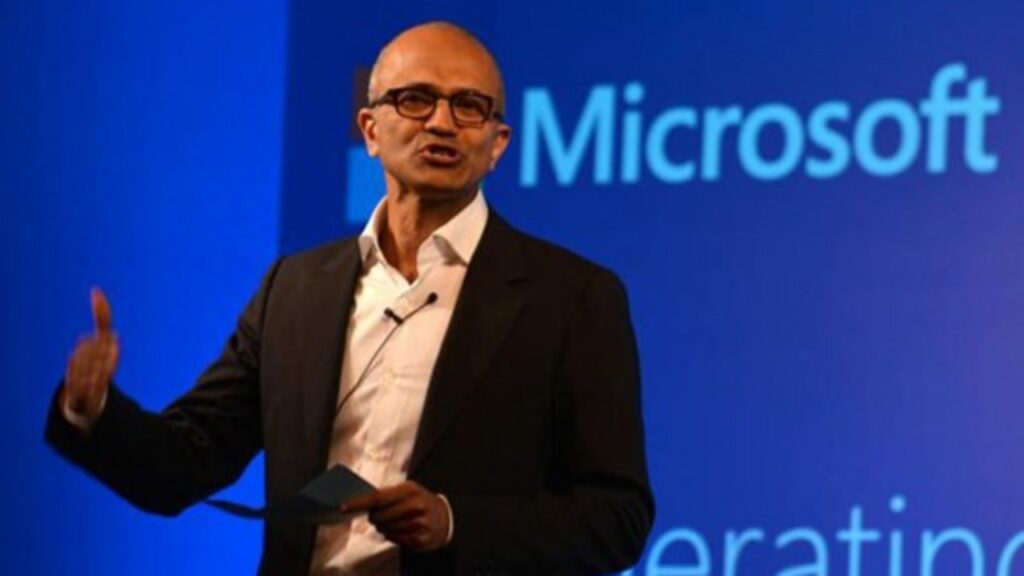
Skepticism Grows as Microsoft’s OpenAI Commitments Fuel Market Turbulence
The shift in sentiment appears largely driven by concerns over soaring capital expenditures. Microsoft disclosed that its capex jumped 66 percent to $37.5 billion in the latest quarter, even as growth in its Azure cloud unit softened. More alarming for analysts was the revelation that roughly 45 percent of Microsoft’s $625 billion in remaining performance obligations is directly tied to OpenAI. The scale of this exposure raised fresh questions about whether OpenAI can generate sufficient revenue to justify the massive infrastructure commitments being made on its behalf.
Market commentators echoed these concerns. CNBC’s Jim Cramer remarked that the sudden shift resembles a collapse of the software-driven AI narrative and an overwhelming dominance of hardware spending. Morning Brew cofounder Austin Rief described the data as “ominous,” especially as Meta prepares to allocate most of its free cash flow toward capex. While Meta avoided the selloff due to strong ad-driven revenue growth, investors’ willingness to support its spending highlighted a deeper skepticism toward OpenAI’s ability to deliver returns without enormous outside capital.
Growing Concerns Over OpenAI’s Funding Model Hit Oracle’s Market Value
The anxiety extends beyond Microsoft. Oracle has seen its valuation cut in half since September, losing nearly $463 billion as doubts grow about whether OpenAI-related data center projects—some now delayed until 2028—will ultimately be funded. This delay worsens the mismatch between Oracle’s heavy debt-backed investments and actual revenue arrival. Meanwhile, OpenAI has accumulated commitments of nearly $1.4 trillion for energy and compute needs, despite generating only about $20 billion in revenue in 2025. Reports that OpenAI is seeking another $60 billion from partners like Nvidia and Amazon further fuelled concerns that constant fundraising is no longer a sustainable business model.
Summary:
Wall Street’s confidence in AI is weakening as huge capex, heavy OpenAI-linked obligations, and slowing returns trigger a major tech selloff. Microsoft and Oracle faced steep valuation losses, while doubts intensified over OpenAI’s ability to justify massive infrastructure spending. Investors now question the sustainability of constant fundraising and delayed revenue models.