Maruti Suzuki, India’s largest carmaker, is intensifying its push into electric mobility with plans to significantly expand electric vehicle production capacity nationwide. As India accelerates its transition toward sustainable transportation, Maruti aims to build the manufacturing capability needed to support new EV models and meet anticipated future demand.
EV Growth in India Sets the Stage
India’s electric vehicle market has been expanding rapidly, buoyed by supportive government policies, greater consumer awareness, and investments in charging infrastructure. Shared targets to reduce emissions and promote cleaner mobility have pushed major automotive manufacturers to prioritise EV plans. Maruti Suzuki — historically dominant in internal combustion engine (ICE) cars — is now shifting focus toward an electrified future.
Capacity Expansion at Existing Facilities
Maruti Suzuki plans to enhance production lines at its current plants in Gurugram and Manesar to prepare for upcoming electric models. These facilities will see both EV assembly lines and associated battery component operations being upgraded or introduced, reflecting Maruti’s phased approach to electrification. The expansion will ensure a smooth transition from limited EV pilot models to broader mass-market production.
Company leadership has emphasised that increasing capacity is essential to sustaining competitive pricing and volume for EVs, especially as rivals accelerate their electric strategies. Maruti’s production expansion will help reduce dependence on imported components and keep costs in check through scale.
Exploring New EV-Dedicated Production
In addition to upgrades at existing plants, Maruti is considering new EV-specific manufacturing facilities. These could be greenfield plants or joint ventures with technology and battery partners. The move aims to not just accommodate vehicle assembly but also integrate key EV value chain elements such as battery manufacturing and electric powertrain assembly.
The company is also evaluating partnerships with global EV suppliers to access advanced battery technologies and strengthen its supply chain. Localising battery production, in particular, could play a significant role in cost competitiveness and faster scale-ups.
Supporting Models and Product Strategy
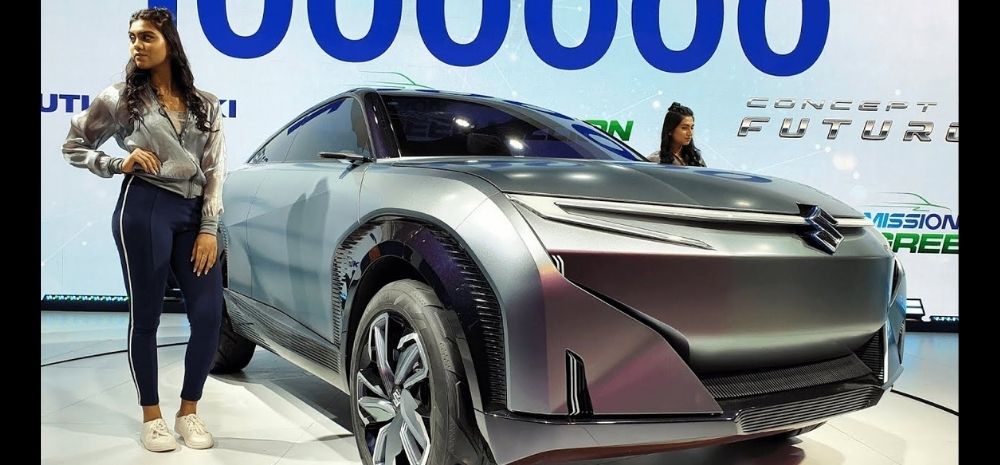
Maruti Suzuki has announced plans for several upcoming electric car models over the next few years, aimed primarily at urban and first-time EV buyers. The expanded production capacity will be critical to successfully launching these vehicles without disrupting supply or order fulfilment.
Maruti’s EV strategy also includes hybrid and mild-hybrid technologies as transitional options while the electric infrastructure continues to mature. This approach allows the company to cater to diverse customer needs while preparing for a full electric future.
Balancing Growth with Sustainability
The capacity expansion aligns with broader goals of reducing emissions and increasing EV adoption in India. More manufacturing capacity will support a larger fleet of domestically produced EVs, potentially lowering the total cost of ownership for consumers and contributing to India’s climate targets.
As demand for EVs continues to accelerate, Maruti Suzuki’s production plans reflect both the challenges and opportunities of scaling electric mobility in a price-sensitive market. By building capacity and exploring new manufacturing avenues, the company is positioning itself to remain a major player in India’s evolving automotive landscape.