The State Education Policy commission in Karnataka has proposed replacing the existing three-language formula in schools with a two-language system. The commission argues that this move would reduce the academic burden on students, improve mastery of chosen languages, and align better with evolving national educational practices.
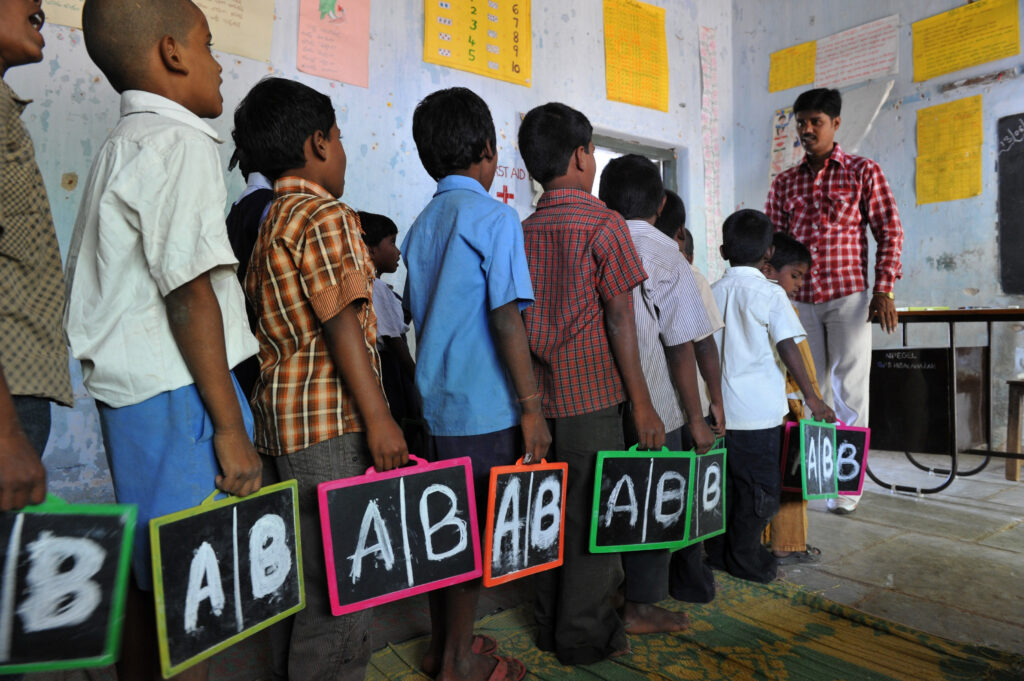
Why the Change Is Proposed
Under the current model, students typically learn Kannada, English, and a third language, often Hindi or a foreign language such as French or German. According to the commission, this system spreads students too thin and prevents them from gaining deeper proficiency in core languages. A two-language framework, it suggests, will simplify curricula and enhance learning outcomes.
Concerns From Parents and Schools
The recommendation has triggered widespread debate. Private schools, educators, and parents worry that eliminating the third language could limit linguistic diversity and reduce opportunities for higher education abroad, where knowledge of global languages can be a significant advantage. Critics also argue that learning multiple languages supports cognitive development and multicultural awareness, skills essential for thriving in an interconnected world.
The Global Competitiveness Argument
Opponents emphasize that Karnataka’s youth risk losing their edge in the global job market, particularly in sectors like technology, business, and diplomacy, where multilingual skills are highly valued. With many students aspiring to study or work abroad, restricting exposure to foreign languages could narrow their career options.
Commission’s Defense and Next Steps
The commission acknowledges these concerns but insists that a simplified, two-language approach will lead to stronger learning outcomes. By focusing on Kannada and English, the proposal seeks to balance regional identity with international relevance. However, with resistance from key stakeholders, the state government faces mounting pressure to review the recommendation carefully before making it official policy.
The debate highlights the challenge of balancing academic efficiency, cultural diversity, and global competitiveness in education policy. The final decision will shape how Karnataka’s students are prepared for both local integration and global opportunities.