In a landmark move promoting gender-sensitive workplace policies, the Karnataka government has officially notified its menstrual leave policy, allowing one day of leave per month for women workers. The policy, effective immediately, brings significant relief to female employees across both the public and private sectors, ensuring better health, dignity, and inclusion at workplaces.
Who Is Eligible for Menstrual Leave?
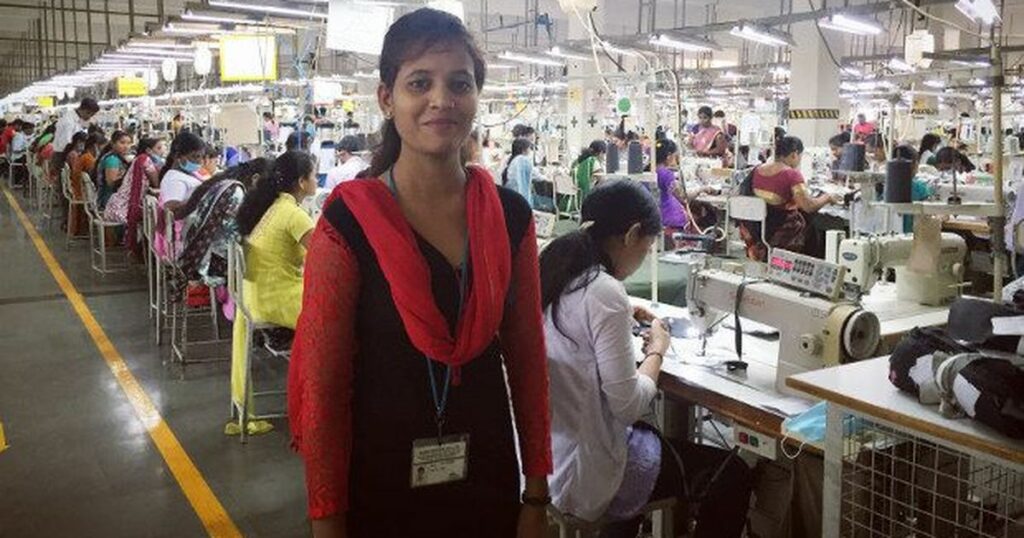
According to the government order (GO) issued by the Labour Department, women between 18 and 52 years of age are eligible to avail this leave. It applies to workers employed under various labour legislations, including:
- Factories Act, 1948
- Karnataka Shops and Establishments Act, 1961
- Plantation Workers Act, 1951
- Beedi and Cigar Workers (Conditions of Employment) Act, 1966
- Motor Transport Workers Act, 1961
The benefit extends to permanent, contract, and outsourced employees. However, the GO currently excludes government staff, anganwadi workers, and ASHA (Accredited Social Health Activists), which has drawn criticism from labour unions and activists.
Policy Details and Implementation
The notification allows one day of paid menstrual leave each month, amounting to 12 days annually, with no carryover to subsequent months. Importantly, no medical certificate will be required to avail the leave.
The Labour Department stated that the decision was taken to address women’s health concerns, improve workplace efficiency, and boost female participation in the workforce.
The policy evolved after an expert committee initially proposed six days of leave annually, which was later doubled by the Cabinet following feedback from employers and trade unions — 56 respondents supported the policy, including 26 management representatives.
Mixed Reactions and Calls for Expansion
While the move has been widely welcomed, activists have urged the government to legislate the policy rather than enforce it through a government order. Divya Biradar, convener of the Karnataka Domestic Workers’ Union (AITUC), said,
“The government should formalise this through legislation and extend it to women in domestic, agricultural, and construction sectors.”
Additionally, some have questioned the age cap of 52 years, arguing that menopause timelines vary and the policy should be inclusive of older workers as well.