Typically, Japan’s flu season begins in late November or December. However, this year, the epidemic has struck nearly five weeks earlier, catching citizens and health authorities off guard. The Ministry of Health has confirmed that the national average has exceeded the epidemic threshold, with 1.04 patients per medical institution, signaling a nationwide outbreak.
Rising Hospitalizations and School Closures
By October 3, more than 4,000 people had been hospitalized due to influenza—a fourfold increase compared to the previous week. Cases have been reported in 28 of Japan’s 47 prefectures, with major spikes in Tokyo, Okinawa, and Kagoshima. At least 135 schools and childcare centers have temporarily closed, raising public health concerns.
Health Experts Warn of a Fast-Evolving Virus
Specialists note that this unusually early outbreak may indicate changes in flu virus behavior. Professor Yoko Tsukamoto of the Health Sciences University of Hokkaido commented, “The flu season has started really early this year, but in the changing global environment, this might become a more common scenario.”
Experts emphasize that while the flu may be mild for healthy individuals, it poses serious risks for the elderly, young children, and people with pre-existing conditions.
Precautionary Measures and Vaccination
Health authorities are urging citizens to adopt preventive measures, including:
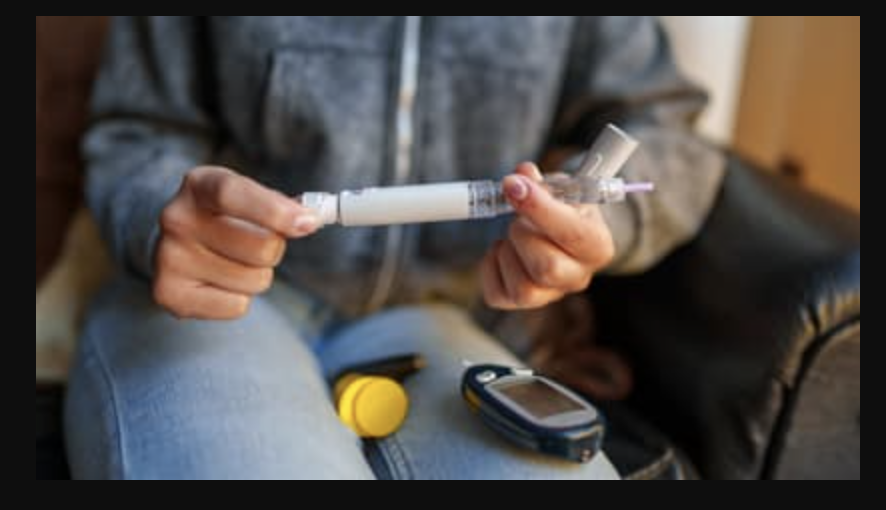
- Vaccination, especially for vulnerable groups
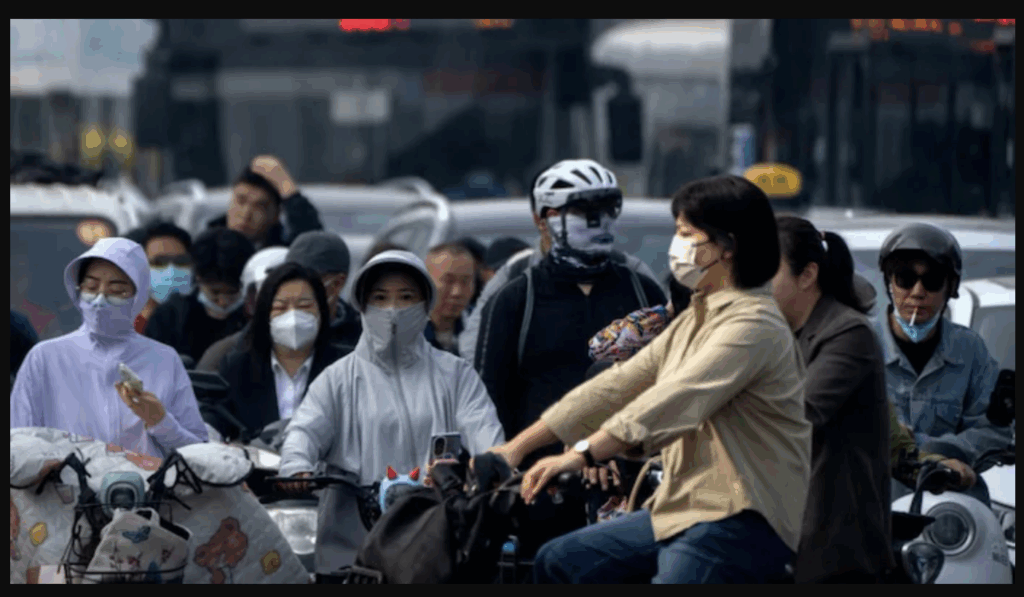
- Wearing masks in public spaces
- Regular handwashing
- Avoiding contact with sick individuals
Early vaccination not only protects individuals but also helps reduce the spread of influenza within communities.
Global Implications
The early onset of the flu in Japan may reflect broader environmental and climate-related changes affecting viral patterns worldwide. Citizens and travelers are advised to remain vigilant and follow health guidelines to minimize the impact of this accelerated flu season.