The Government of India has officially notified the timeline for the first phase of Census 2027, marking a major milestone in the preparation for the country’s next national population count. The first phase will involve house listing and housing census operations, and will take place between April 1 and September 30, 2026, across all states and Union Territories.
Flexible 30-Day Window For States And UTs
Instead of conducting the exercise nationwide on a single date, the government has allowed each state and Union Territory to carry out the first phase during a 30-day period of their choosing within the April-to-September time frame. This flexibility accounts for regional weather, administrative planning, and logistical constraints, especially in areas affected by monsoon conditions or remote accessibility.
Census To Go Fully Digital For The First Time
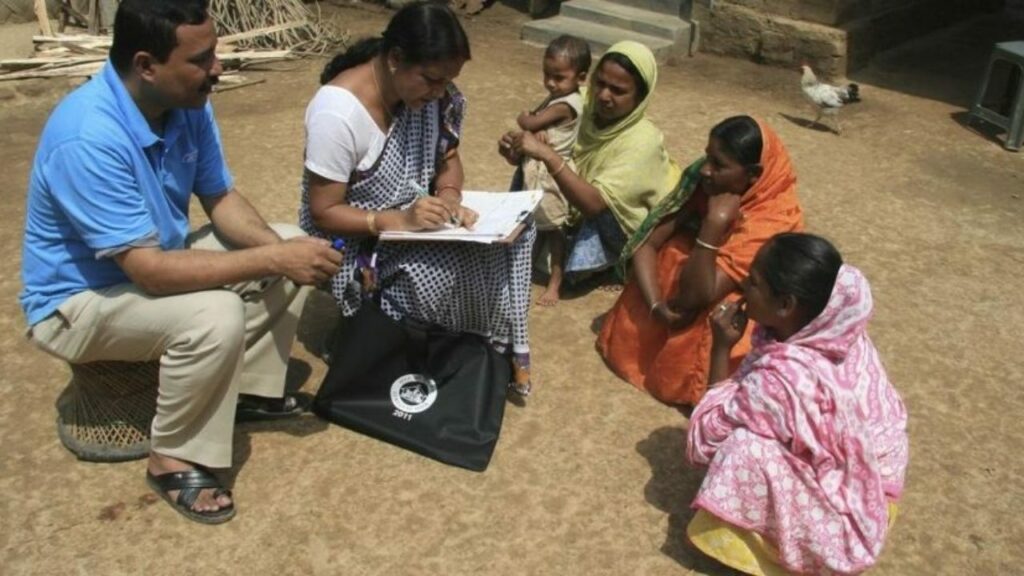
For the first time in India’s history, the census will be conducted digitally, marking a major technological shift away from paper-based enumeration. Field enumerators will use mobile devices and digital forms, enabling faster data entry, real-time monitoring, reduced paperwork, and improved data accuracy.
Digital enumeration is also expected to accelerate processing and publication timelines for national statistics, which traditionally took years to finalise.
Self-Enumeration Option For Households
Alongside field enumeration, the government will offer a self-enumeration option for households. Citizens will be able to submit their own information digitally during a designated window prior to the arrival of field staff. This initiative is expected to ease workload on enumerators and increase participation, especially in urban areas accustomed to digital documentation.
Why The First Phase Matters
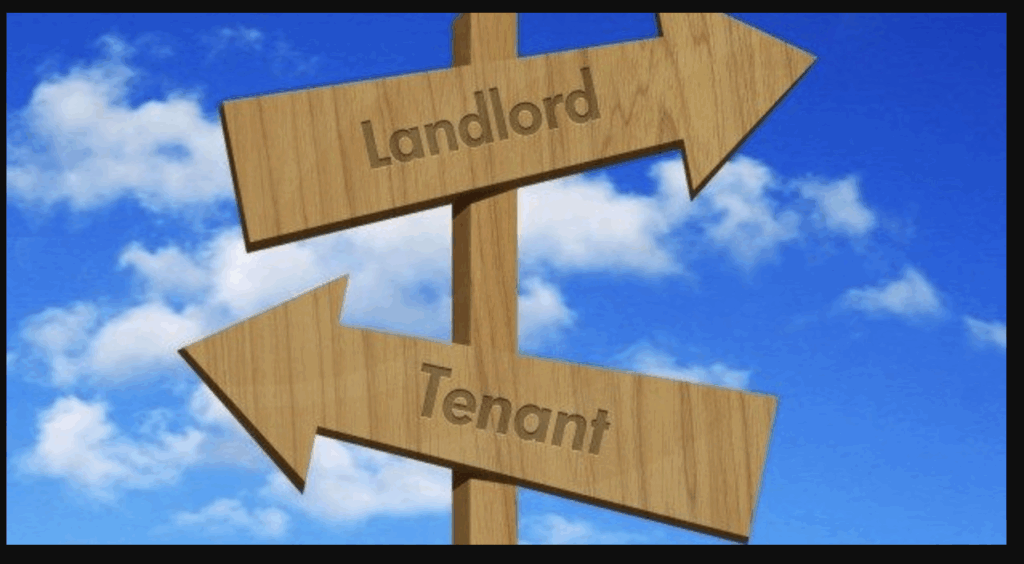
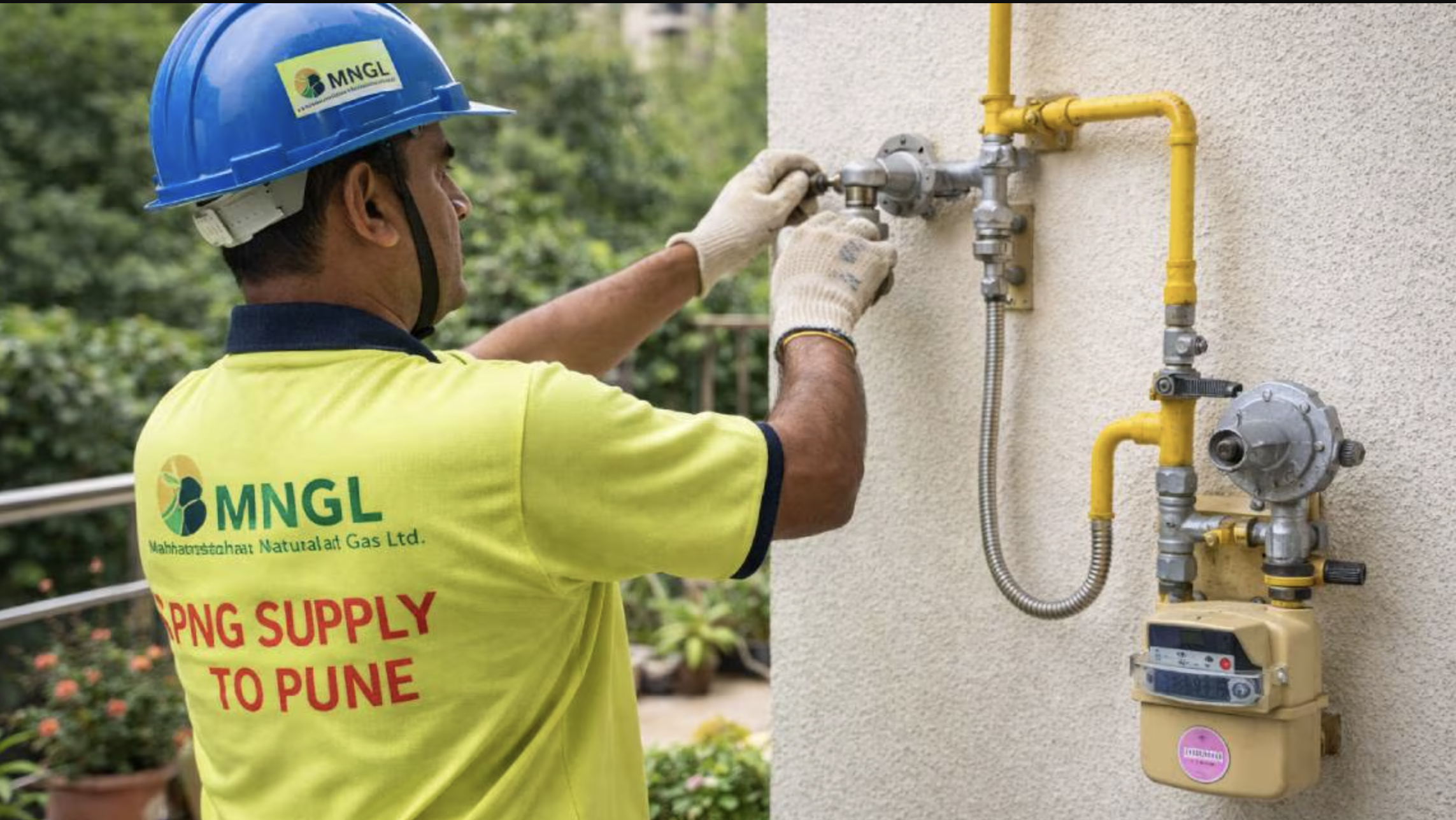
The house listing and housing census phase forms the operational foundation for the full census. It identifies every dwelling and household, ensuring that no unit is missed during subsequent population enumeration. The data collected includes information on construction type, facilities, amenities, access to utilities, and occupancy.
These details are crucial for planning in areas such as housing, sanitation, water supply, electrification, infrastructure development, and social welfare schemes.
Population Count To Follow
Once the first phase concludes, the government will move to the second phase — population enumeration — where demographic details such as age, gender, education, economic activity, disability, and migration characteristics will be recorded. This phase will be completed in 2027.
60-Word Summary
The Government of India has officially notified the timeline for the first phase of Census 2027, marking a major milestone in the preparation for the country’s next national population count. The first phase will involve house listing and housing census operations, and will take place between April 1 and September 30, 2026, across all states and Union Territories.
Flexible 30-Day Window For States And UTs
Instead of conducting the exercise nationwide on a single date, the government has allowed each state and Union Territory to carry out the first phase during a 30-day period of their choosing within the April-to-September time frame. This flexibility accounts for regional weather, administrative planning, and logistical constraints, especially in areas affected by monsoon conditions or remote accessibility.
Census To Go Fully Digital For The First Time
For the first time in India’s history, the census will be conducted digitally, marking a major technological shift away from paper-based enumeration. Field enumerators will use mobile devices and digital forms, enabling faster data entry, real-time monitoring, reduced paperwork, and improved data accuracy.
Digital enumeration is also expected to accelerate processing and publication timelines for national statistics, which traditionally took years to finalise.
Self-Enumeration Option For Households
Alongside field enumeration, the government will offer a self-enumeration option for households. Citizens will be able to submit their own information digitally during a designated window prior to the arrival of field staff. This initiative is expected to ease workload on enumerators and increase participation, especially in urban areas accustomed to digital documentation.
Why The First Phase Matters
The house listing and housing census phase forms the operational foundation for the full census. It identifies every dwelling and household, ensuring that no unit is missed during subsequent population enumeration. The data collected includes information on construction type, facilities, amenities, access to utilities, and occupancy.
These details are crucial for planning in areas such as housing, sanitation, water supply, electrification, infrastructure development, and social welfare schemes.
Population Count To Follow
Once the first phase concludes, the government will move to the second phase — population enumeration — where demographic details such as age, gender, education, economic activity, disability, and migration characteristics will be recorded. This phase will be completed in 2027.