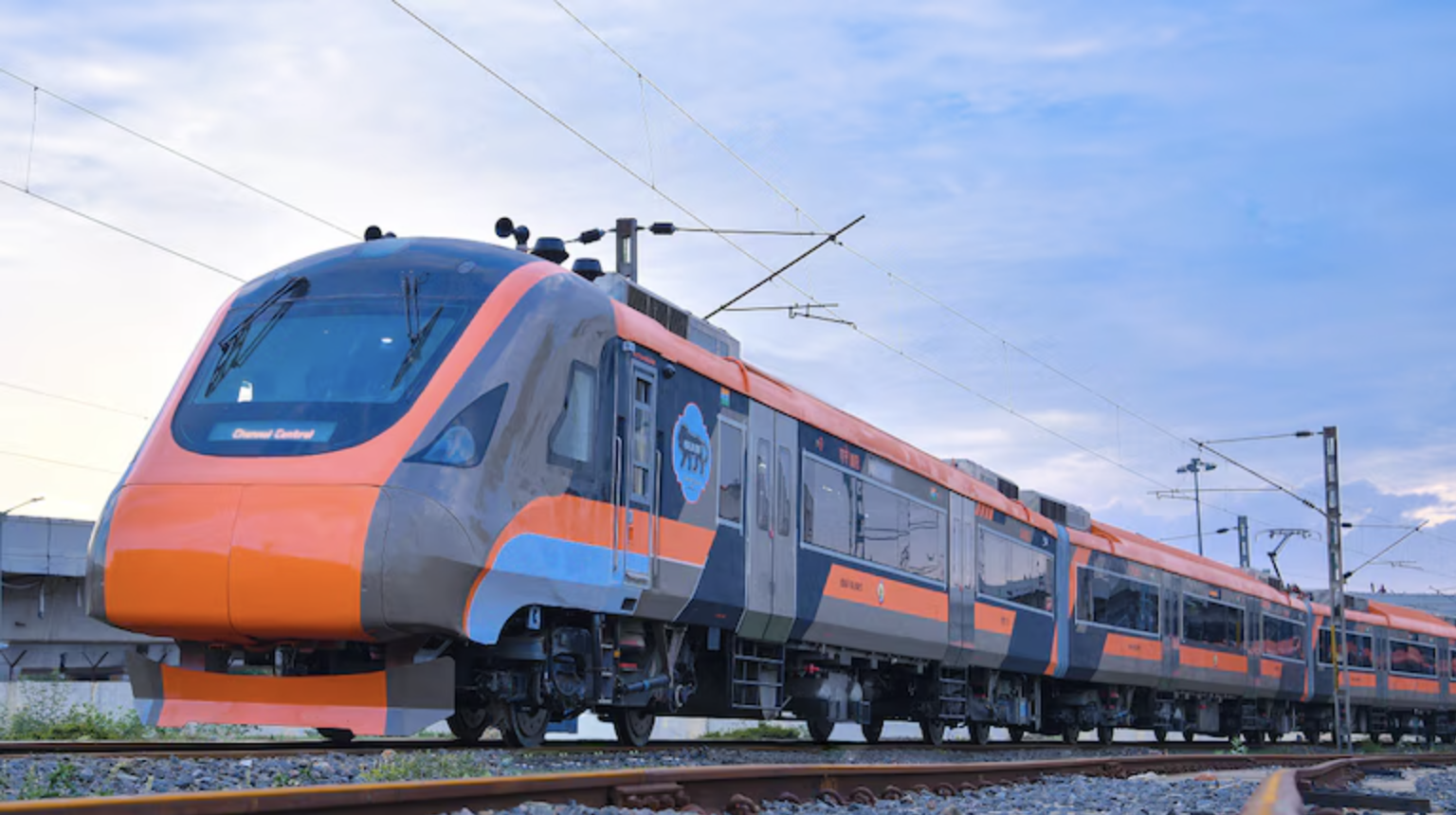
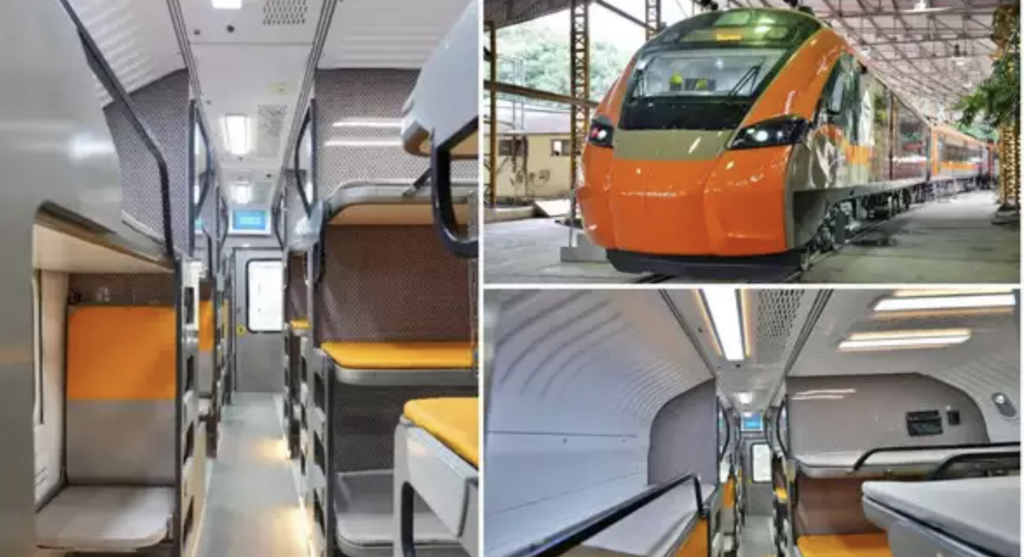
India is racing ahead in its high-speed rail ambitions with its first dedicated high-speed test track set to be completed and ready for trials by March 2026. This development marks a key milestone for the country’s fast-train ecosystem and supports the government’s vision to introduce high-speed rail travel in India.

What the High-Speed Test Track Is
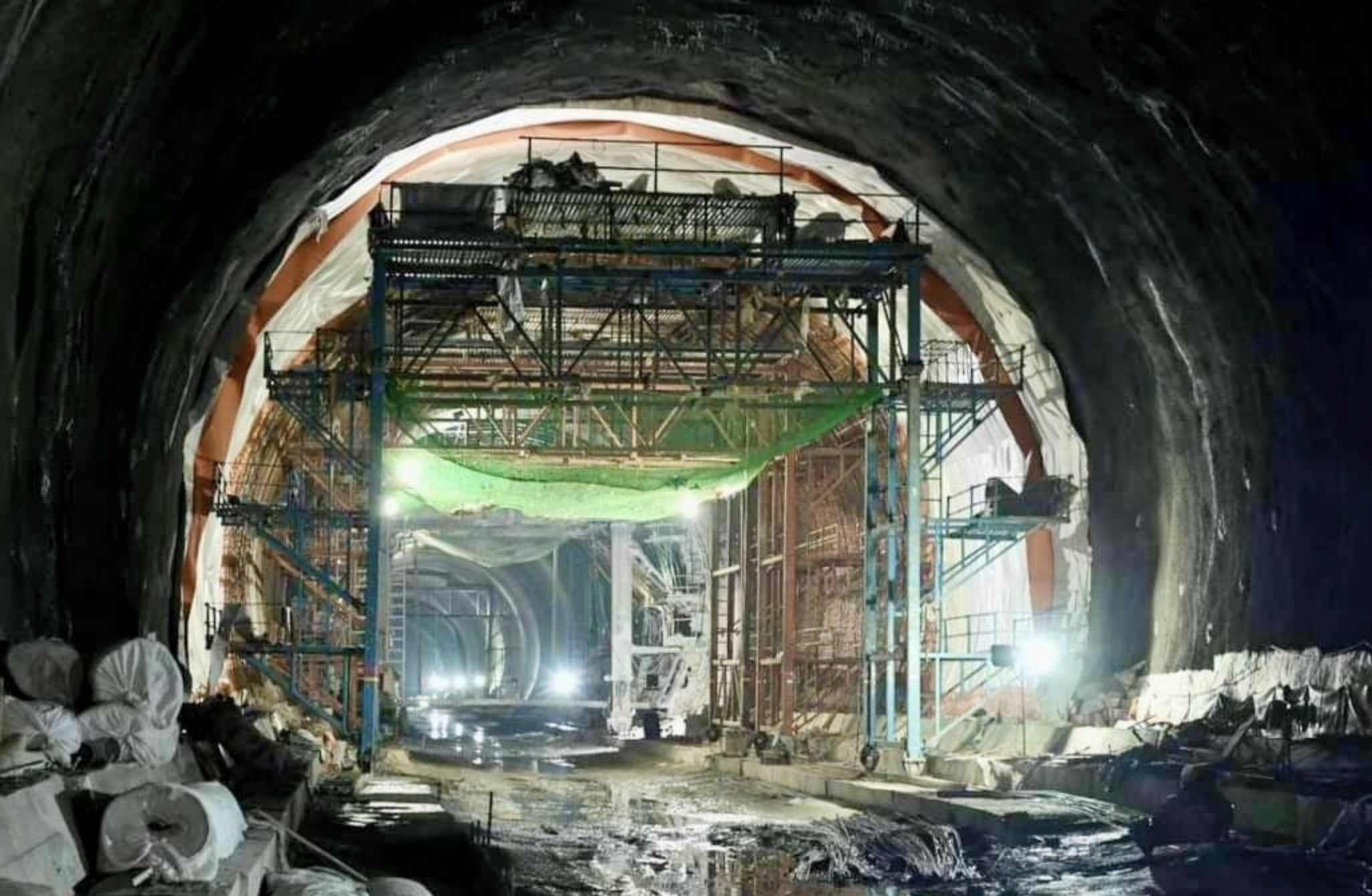
The high-speed test track is a specially constructed rail corridor designed to support trial runs of high-speed trains before they are deployed for passenger service. Unlike conventional tracks, this infrastructure is engineered for higher speeds, advanced signalling, stringent safety standards, and specialised testing equipment.
The facility will allow Indian Railways and research bodies to thoroughly test train sets, track performance, signalling systems, and safety protocols — ensuring reliability before national deployment.
Why This Matters for India
India’s drive for high-speed rail has been underway for several years, underpinned by projects like the flagship bullet-train corridor between Mumbai and Ahmedabad. Until now, India lacked a dedicated facility to test high-speed trains systematically within its own terrain and conditions.
This test track will help bridge that gap by:
- Facilitating end-to-end validation of high-speed train technologies
- Helping engineers fine-tune performance and safety under local geographies
- Reducing dependence on overseas testing facilities
- Strengthening India’s capability to maintain and innovate high-speed rail systems
Expected Timeline and Trials
Officials have confirmed that the track construction will be finished soon, and trial runs are planned to start by March 2026. These initial runs will focus on testing speed limits, braking systems, track integrity, signalling responses, and operational safety under controlled conditions.
Once successful, these trials will pave the way for further development of high-speed corridors across the country.
Impact on Future High-Speed Corridors
Having a dedicated test track is critical for future bullet train projects and other high-speed rail initiatives. It will enable Indian engineers to:
- Conduct repeated high-speed runs without interfering with regular passenger services
- Validate technologies for accelerators, automatic control systems, and safety redundancies
- Train personnel on high-speed operations and emergency procedures
The knowledge gained from testing can also be used in upcoming corridors beyond the Mumbai-Ahmedabad route.
Boost to Domestic Capabilities
The test track also represents a step forward in building homegrown expertise. Research institutions, industry partners, and Indian engineers will have a central facility to experiment, adapt, and potentially innovate customised high-speed solutions for India’s unique railway ecosystem.
Conclusion
With its first high-speed rail test track nearing completion and trials expected by March 2026, India is laying essential groundwork for faster, safer, and more efficient future rail travel. This development strengthens the foundation for high-speed corridors and represents a major leap towards modernising the country’s rail infrastructure.