India’s Chief Economic Adviser (CEA), V. Anantha Nageswaran, has sparked a fresh debate on the future of education and employment by urging young people to look beyond traditional white-collar career paths. Speaking about the changing nature of work in the age of artificial intelligence, Nageswaran said the long-dominant era of software engineering, computer science degrees, and MBA qualifications may no longer guarantee the same opportunities they once did.
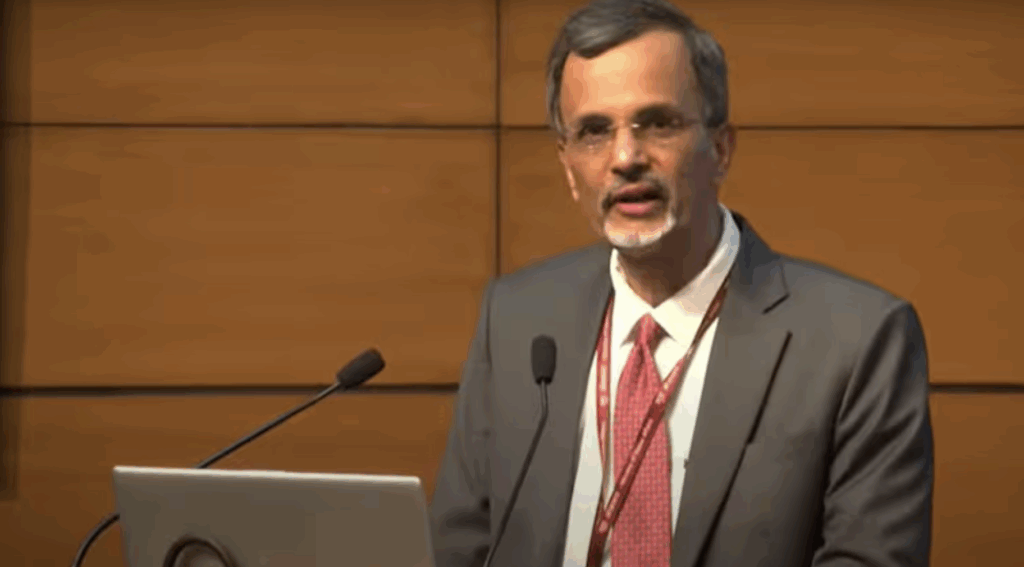
His remarks come at a time when AI is rapidly transforming industries, automating tasks, and reshaping hiring trends across the world.
Why the CEA Is Raising Concerns
According to Nageswaran, advances in artificial intelligence are beginning to impact many knowledge-based professions that were once considered highly secure. Tasks involving coding, data analysis, content creation, and business processes are increasingly being automated or augmented by AI systems.
As a result, he believes India must prepare its workforce for a future where practical, hands-on skills become increasingly valuable. The CEA argued that the country’s education system should place greater emphasis on vocational training and trade-based professions rather than focusing almost exclusively on conventional degree programs.
His comments reflect a broader global discussion about how AI will influence employment opportunities over the next decade.
Trade Skills Could See Rising Demand
Nageswaran highlighted that many skilled trades remain difficult to automate despite rapid advances in AI. Professions involving physical work, technical expertise, maintenance, construction, manufacturing, electrical systems, plumbing, healthcare support, and other hands-on services continue to require human involvement.
Experts note that while AI can generate software code or business reports, it cannot easily replace workers who perform complex physical tasks in real-world environments.
As India expands its manufacturing base and infrastructure projects, demand for skilled technicians, electricians, mechanics, machine operators, and other vocational professionals is expected to grow significantly.
Rethinking India’s Education Model
For decades, engineering, software development, and MBA programs have been viewed as pathways to stable careers and upward mobility. However, the CEA suggested that relying solely on these qualifications may no longer be sufficient in an AI-driven economy.
He emphasized the need for a more balanced education ecosystem where vocational training receives the same respect and investment as traditional academic programs. Such a shift, he argued, could help address skill shortages while improving employment opportunities for millions of young Indians.
What It Means for Students
Nageswaran’s remarks do not suggest that computer science or management education will become irrelevant. Instead, they highlight the growing importance of adaptability and practical skills in a rapidly changing job market.
Students entering the workforce today may need a combination of technical knowledge, digital literacy, problem-solving abilities, and hands-on expertise to remain competitive. The future, according to the CEA’s vision, belongs not just to degree holders but also to those who can apply skills effectively in the real world.
As AI continues to reshape industries, India’s challenge will be ensuring that its education system evolves fast enough to prepare the next generation for the jobs of tomorrow.