An Indian tax panel has proposed sharp increases in consumer levies on luxury electric vehicles (EVs) priced above $46,000, a move that could hit brands like Tesla, Mercedes-Benz, BMW, and BYD.
Prime Minister Narendra Modi is pushing tax reforms that encourage Indians to buy domestic goods, even as U.S.–India ties strain over tariffs.
India Proposes Sharp Tax Hikes on Luxury EVs
The government has suggested large GST cuts on items like shampoos and electronics to make them cheaper.
While the panel supported sweeping GST cuts, it also urged raising EV taxes.
It recommended lifting GST on EVs priced between ₹2 million and ₹4 million ($23,000–$46,000) from 5% to 18%.
For EVs above $46,000, it proposed a 28% rate, arguing such cars serve the “upper segment” and are mostly imports.
Since Modi’s government plans to scrap the 28% slab, the GST Council may either move these EVs to 18% or to a new 40% luxury bracket, a government source said.
The GST Council, led by the finance minister and state representatives, meets on September 3–4 to review the proposals.
After the news, the Nifty Auto index dropped up to 0.5%, with Mahindra and Mahindra down nearly 3% and Tata Motors 1.2%.
EVs account for only 5% of car sales between April and July but grew 93% year-on-year to 15,500 units.
The panel noted: “The uptake of electric vehicles is increasing… it is also important to signal that higher-priced EVs can be taxed at higher rates.”
Domestic EV makers like Mahindra and Tata may be affected, though few of their models cross ₹2 million.
Foreign Automakers To Feel The Brunt
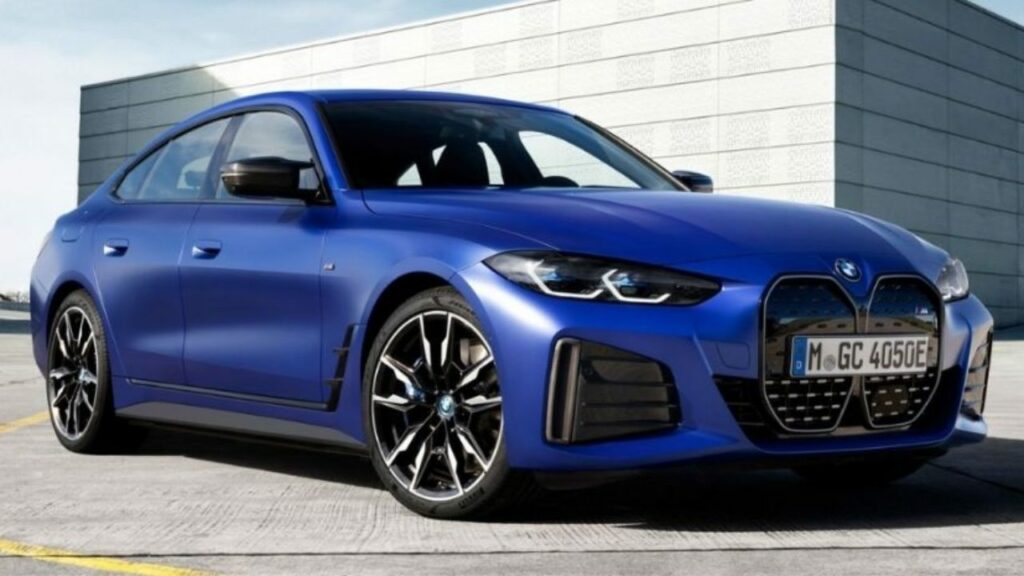
Foreign automakers will feel the brunt, as Tesla’s new Model Y starts at $65,000, and Mercedes-Benz, BMW, and BYD also sell high-end EVs in India.
Carmakers have urged the government to retain the 5% GST to protect India’s EV adoption goals.
Tata Motors said it is “imperative” to maintain the rate, warning hikes will slow “the transition to clean mobility.”
BMW India said a tax increase “can derail the vision of high electric adoption and local production.”