


IBM is investing approximately $3 billion every year in India and plans to commit more than $10 billion globally to quantum computing over the next five years, Chairman and CEO Arvind Krishna has said. The announcement highlights India’s growing importance in IBM’s global technology operations, particularly in artificial intelligence, advanced computing and semiconductor-related work.
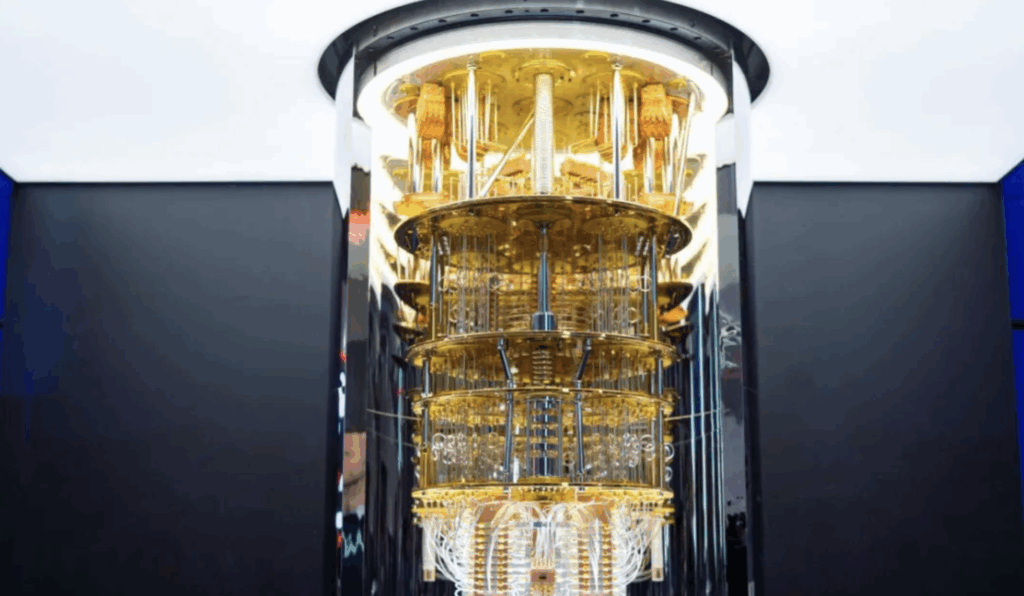
Speaking to journalists in New Delhi on November 16, Krishna said IBM’s annual investment in India has increased consistently over the past two decades. A portion of the company’s global quantum computing investment will also flow into India.
IBM Plans Quantum Computer Installation in Amaravati
IBM is working with the Andhra Pradesh government and private-sector partners, including Tata Consultancy Services (TCS), to establish a quantum computer in Amaravati.
Components of the system are expected to arrive in India in November, with installation planned for early 2027. Krishna also revealed that IBM is discussing at least two additional public-private partnerships for similar quantum computing projects in India, although he did not disclose the prospective partners.
The company expects quantum computing to generate significant revenue by 2028-29 as businesses and researchers identify commercial applications.
Potential use cases include materials science, financial services, complex optimisation problems and weather modelling.
AI Could Displace 10-20% of Jobs Over the Next Decade
Alongside the investment announcement, Krishna highlighted the potential impact of artificial intelligence on employment.
He estimated that AI could displace between 10% and 20% of jobs over the next decade. The business process outsourcing (BPO) industry could face some of the biggest reductions in employment as companies automate more tasks.
However, he stressed that the transition would happen over several years rather than within a single year. Businesses and governments would need to prepare workers for changing job requirements.
Krishna said IBM itself had hired an estimated 5,000 to 10,000 people in India over the past year. The company is expanding recruitment in chip design, software development, testing, site reliability engineering and AI.
He also revealed that nearly half of the code written at IBM is already generated using AI. According to him, programmers will increasingly focus on directing AI systems and designing solutions rather than writing every line of code themselves.
IBM Sees $500 Billion AI Opportunity for India
Krishna believes artificial intelligence could add approximately $500 billion to India’s GDP by the end of the decade.
However, he said India needs to accelerate AI adoption across businesses and government departments rather than focus excessively on building large language models.
Citing IBM research, he said more than 90% of Indian enterprises recognise AI’s potential, but over 75% have made limited progress in adopting the technology.
He identified data readiness, workforce skills and the need to redesign business processes as major challenges preventing companies from scaling AI initiatives.
Open AI Models Could Reshape the Industry
Krishna also discussed the economics of the global AI infrastructure boom. While he expects demand for data centres and computing infrastructure to remain strong, he questioned whether some foundation-model companies would generate sufficient returns on their massive infrastructure commitments.
He predicted that open models could account for 80% of all AI tokens before the end of the decade. Cheaper alternatives could limit the pricing power of a small number of large AI model providers.
Summary
IBM spends around $3 billion annually in India and plans to invest more than $10 billion globally in quantum computing over five years. The company is preparing to install a quantum computer in Amaravati in early 2027. CEO Arvind Krishna also warned that AI could displace 10-20% of jobs over the next decade, particularly in the BPO industry.