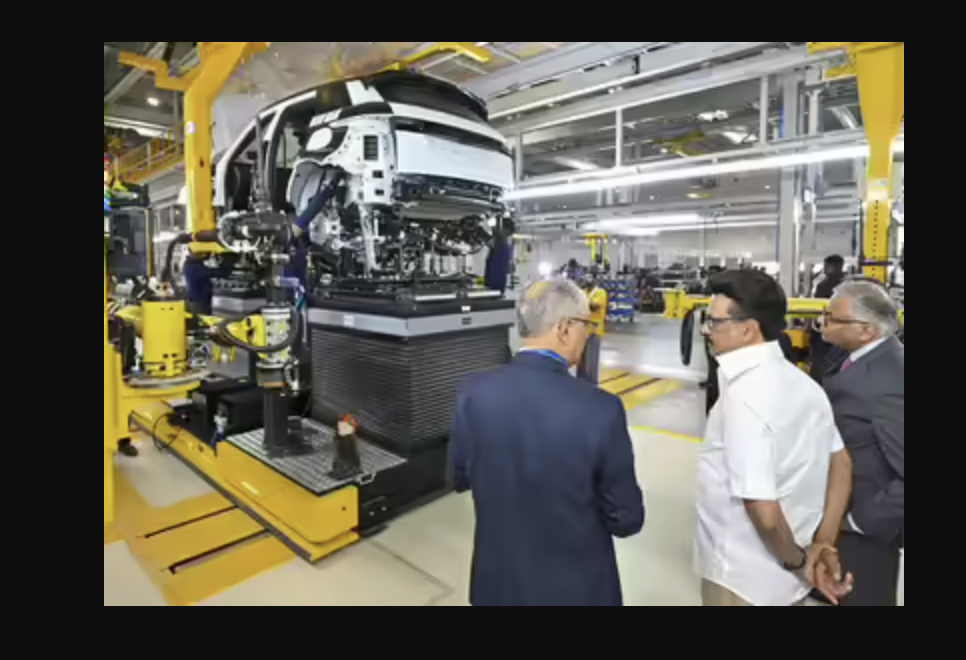
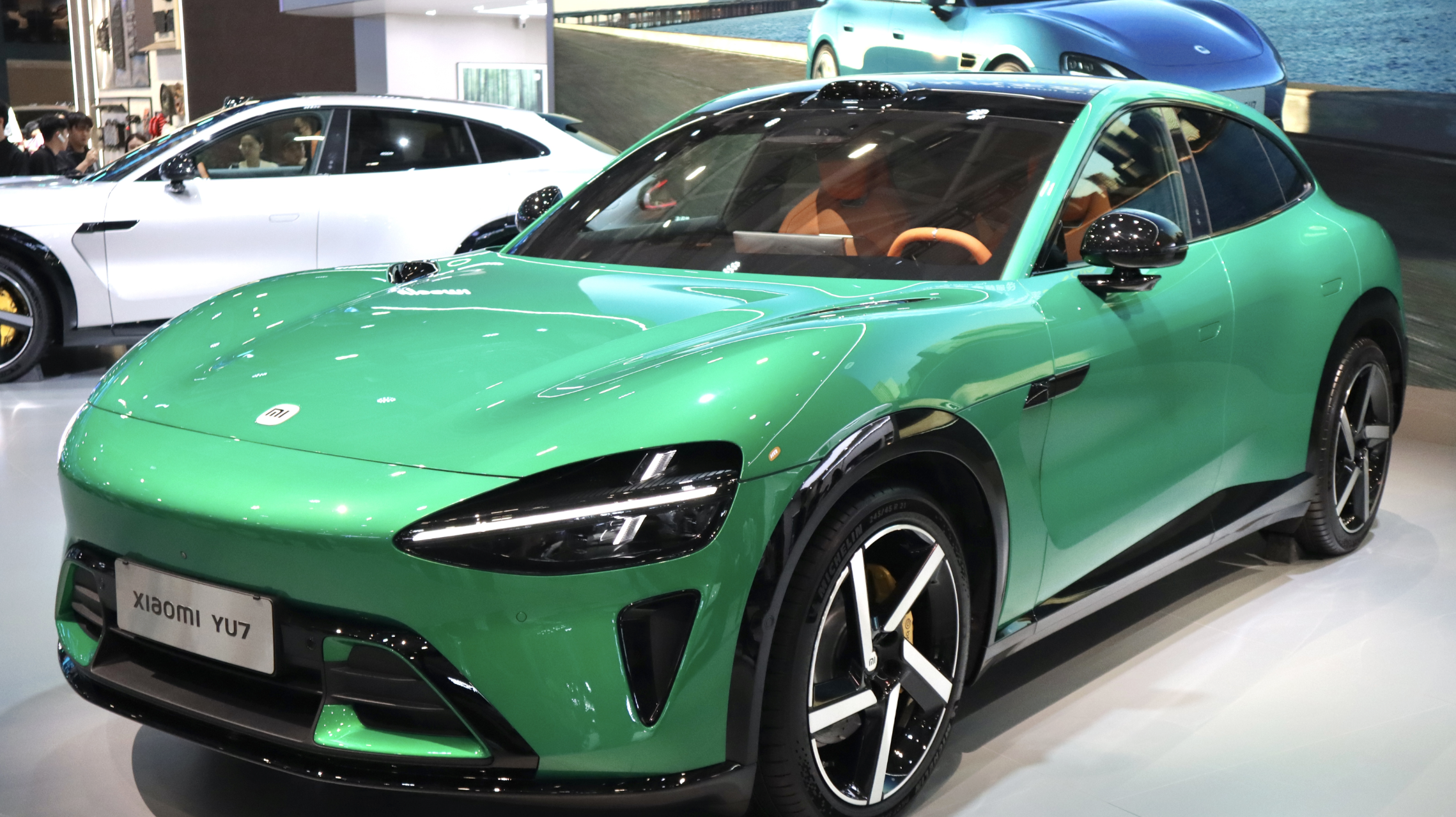
While marking one of the country’s largest-ever foreign investment pushes in the automobile sector, Japanese auto giants Toyota, Honda, and Suzuki are collectively investing nearly $11 billion in India.

Low Costs, Skilled Workforce, and Supportive Government Policies Attracting Investment From Japanese Automaker
This holds a significance as it is marking India’s emergence as a manufacturing and export base as global automakers seek to reduce reliance on China reportedly.
In the meantime, India’s combination of low costs, a skilled workforce, and supportive government policies has attracted record attention from Japan’s auto industry.
So far, Suzuki controls over 40 percent of India’s car market, and is planning to invest $8 billion to boost production to 4 million vehicles annually.
Other players like Toyota also plan to add another $3 billion, expanding its hybrid component supply chain and building a new plant in Maharashtra.
Its rival, Honda isn’t missing the boat either as the vehicle manufacturer promises to make the country an export base for one of its upcoming Zero Series electric cars which is set to roll out in 2027.
India Offering Better Margins and Fewer Competitive Pressures
This seems like a strategic move from Japan’s part as the country’s investment in India’s transport sector has surged sevenfold since 2021, reaching 294 billion yen ($2 billion) last year.
Contrary to this, funding to China dropped by over 80 per cent in the same period.
This is attributed to intensifying price wars and shrinking profits in China’s EV market by the market analysts.
According to Julie Boote of Pelham Smithers Associates, “India offers better margins and fewer competitive pressures than China.”
Toyota also plans to launch 15 new or updated models in India by 2030 as it expects to target a market share increase from 8 to 10 per cent.
With this latest investments, it will lift capacity to over 1 million vehicles a year.
Suzuki also has its own plans where the company aims to transform India into its global export base, leveraging Maruti Suzuki’s dominance in domestic and overseas markets.
The company president, Toshihiro Suzuki said, “We would like to grow India as Suzuki’s global production hub.”
Honda has its own electric ambitions where the company plans India to become the central to its global car strategy.
The country now ranks among Honda’s top three car markets, alongside the U.S. and Japan said CEO Toshihiro Mibe.
It can not be denied that these developments are the fruits of PM Modi’s government incentives as they have implemented restrictions on Chinese investment in India which makes is more attractive for foreign automakers.
During the last fiscal year, Indian auto industry produced 5 million passenger cars with exports up 15 per cent.