Honda Motorcycle & Scooter India, which entered the electric two-wheeler segment earlier this year with the Activa e: and QC1, has stopped production of both models since August 2025. The development comes as a surprise, given the company’s strong legacy in India’s scooter market and high expectations from its electric offerings.
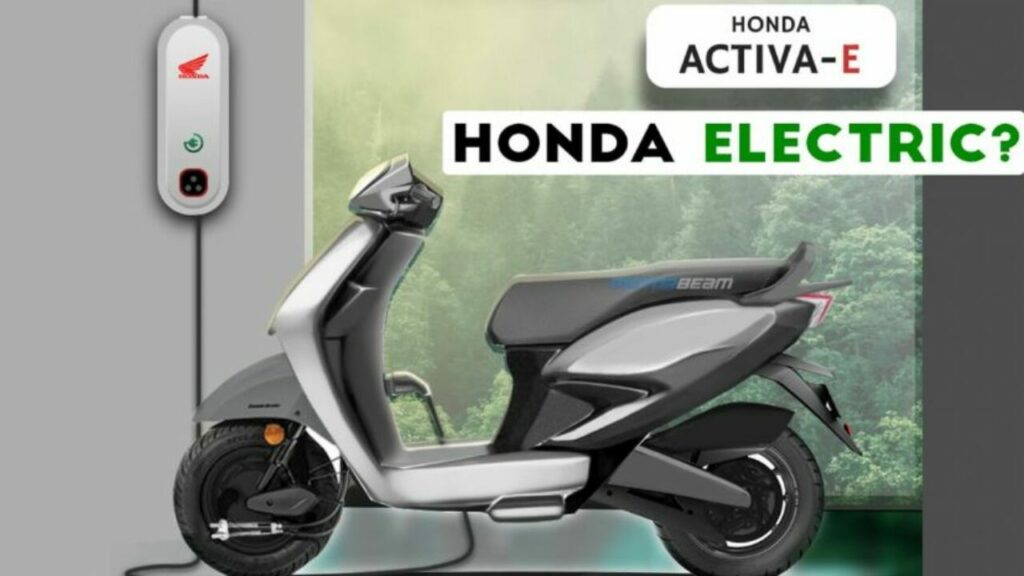
According to SIAM (Society of Indian Automobile Manufacturers) data, not a single unit of the Activa e: or QC1 has rolled off assembly lines in the past three months.
Over 11,000 Units Produced—but Nearly Half Remain Unsold
Between February and July 2025, Honda manufactured 11,168 units of its two electric scooters. However, only 5,201 units (46.6%) were dispatched to dealerships. This large volume of unsold stock is believed to be a key reason behind the production pause.
Breaking it down:
- QC1: 4,461 units dispatched
- Activa e:: 740 units dispatched
The QC1 accounted for a massive 86% of total sales, while the Activa e: lagged significantly.
Why QC1 Outperformed the Activa e:
Several factors contributed to the QC1’s stronger performance:
1. More Attractive Pricing
- Activa e:: ₹1.17 lakh (ex-showroom)
- QC1: ₹90,022 (ex-showroom)
The ₹27,000 price gap worked heavily in QC1’s favour, especially in India’s competitive EV market.
2. Portable Charger Advantage
Consumers prefer EVs that charge at home without needing external support.
- QC1: Comes with a portable charger
- Activa e:: Depends entirely on Honda’s swappable battery network
This dependency limited adoption, especially where swappable stations are scarce.
3. Wider City Availability
- QC1: Available in 6 cities — Mumbai, Delhi, Bengaluru, Hyderabad, Pune, Chandigarh
- Activa e:: Available in just 3 cities
Limited availability directly reduced Activa e: sales traction.
Competitive EV Market Adds Pressure
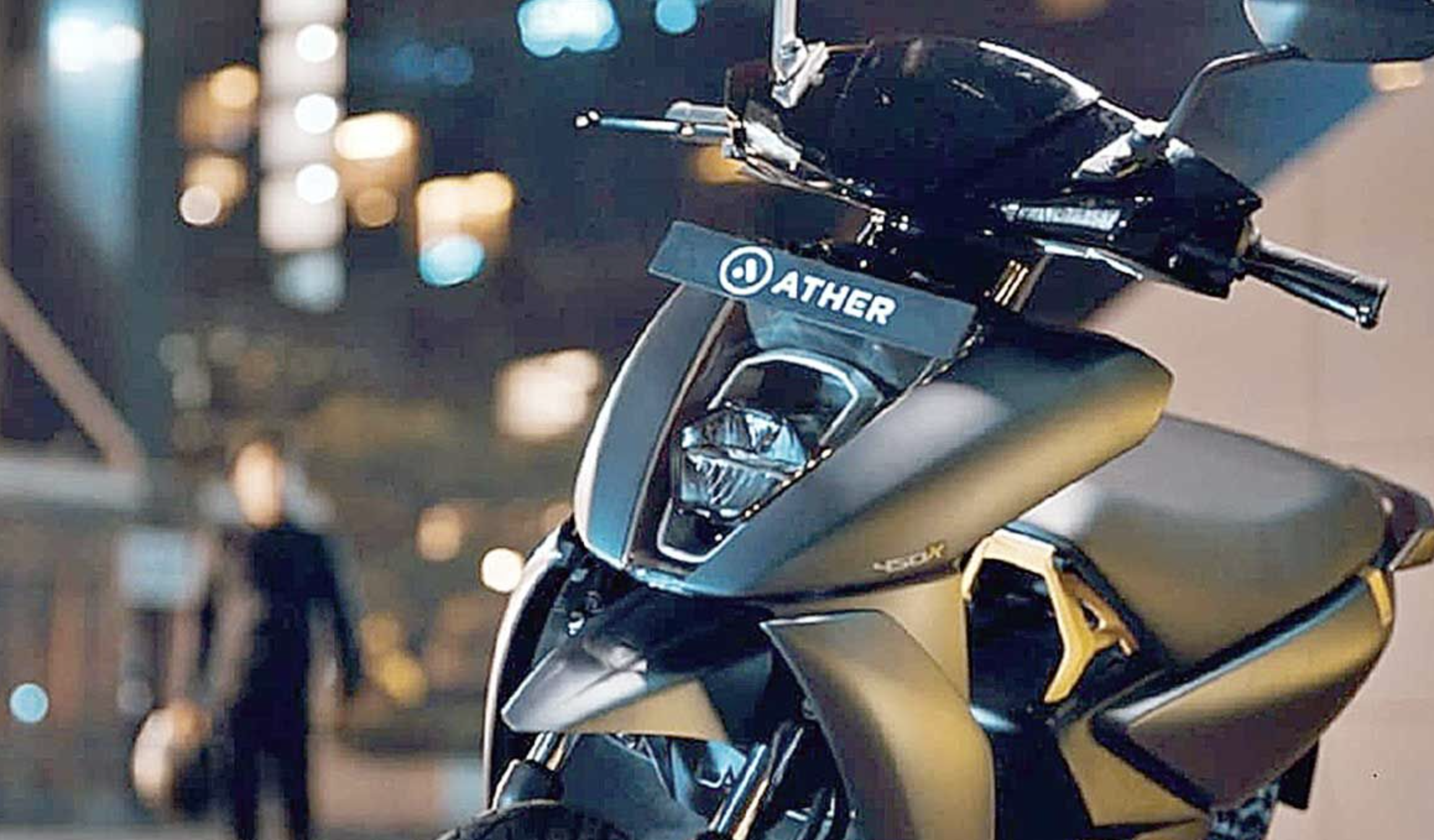
Honda’s EVs face stiff competition from leading brands like Bajaj, TVS, Ather, Ola, and Hero MotoCorp, all offering similarly priced or better-equipped electric scooters. In this environment, any mismatch in pricing, charging convenience, or availability can severely affect sales.
What Happens Next?
Honda has not announced a restart timeline. The company may soon recalibrate pricing, charging infrastructure strategy, or distribution plans to revive demand.
For now, the production pause reflects a critical lesson: in India’s fast-growing EV market, even big brands must align with consumer expectations on price, convenience, and accessibility.