India’s ambitious transition to E20 petrol has triggered fresh debate after a Right to Information (RTI) request seeking scientific research on the fuel’s impact was denied by authorities. The development has raised questions about transparency surrounding one of the country’s largest fuel policy initiatives.
Why The RTI Was Filed
Mumbai-based banker Nachiket Deshpande filed an RTI request seeking access to studies conducted by ARAI, Indian Oil Corporation, and automotive industry bodies regarding the effects of E20 fuel on vehicle engines and fuel systems. The request sought details on vehicle models tested, testing distances, findings, and any observed impact on fuel lines, seals, gaskets, and engine components.
The request was prompted by earlier government statements claiming that extensive research had been conducted before implementing the nationwide E20 programme.
ARAI Declares Research Reports Confidential
In response, ARAI declined to provide the requested documents, stating that the information is confidential and exempt from disclosure under provisions of the RTI Act. The decision has sparked criticism from transparency advocates, who argue that research used to justify a nationwide public policy should be available for public scrutiny.
The refusal has also led to allegations that critical data related to vehicle performance, fuel efficiency, and long-term durability is being withheld from consumers who are now required to use E20 fuel.
Concerns Around E20 Fuel Continue
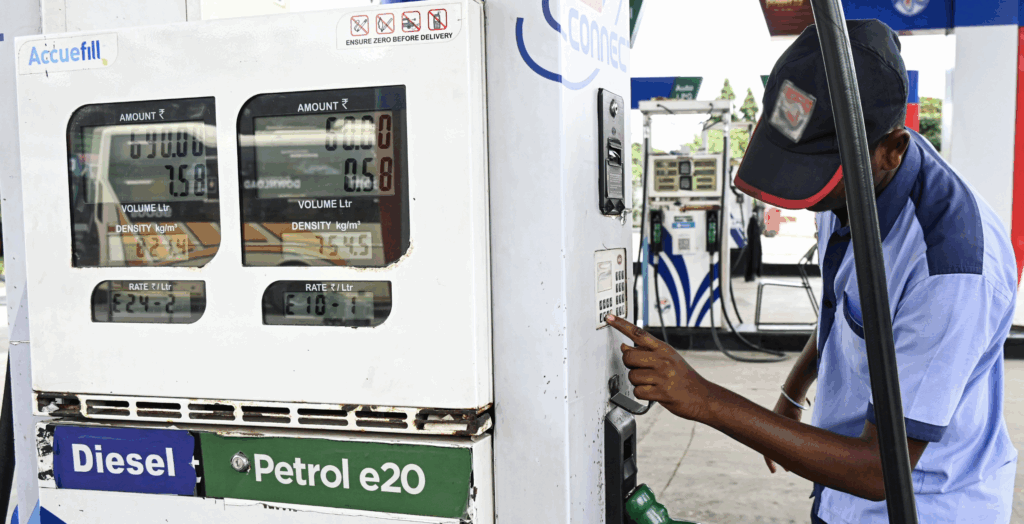
E20 petrol contains 20 percent ethanol blended with conventional petrol. The government maintains that the programme improves energy security, supports farmers, and reduces dependence on imported crude oil.
However, some motorists remain concerned about the long-term impact of higher ethanol blends on vehicle performance. Critics have pointed to potential issues such as reduced fuel efficiency, corrosion risks, and compatibility challenges in older vehicles that were not originally designed for E20 fuel. Newer vehicles, however, have largely been engineered to support the blend.
A Debate Far From Over
With E20 fuel now available across the country, the denial of access to supporting research is likely to intensify calls for greater transparency. As India continues to push for cleaner fuels and reduced oil imports, public confidence in these initiatives may increasingly depend on the availability of independently verifiable scientific data.
Summary:
India’s E20 fuel programme has come under scrutiny after an RTI request seeking research data on ethanol-blended petrol was denied. ARAI cited confidentiality provisions to withhold the reports, raising transparency concerns. The controversy has renewed debate over E20’s impact on vehicle performance, fuel efficiency, and long-term engine durability, particularly for older vehicles.