Hindustan Aeronautics Limited (HAL), India’s only combat aircraft manufacturer and the public-sector company with the largest defence order book, is preparing for its most ambitious organisational transformation in six decades. According to a report in Business Standard, the Ministry of Defence has engaged Boston Consulting Group (BCG) to design a comprehensive restructuring roadmap by March 2026.
The goal is clear: accelerate production, modernise internal processes, and ensure HAL remains competitive as India opens aircraft manufacturing to private players.
A Massive Order Book, A Mounting Crisis
HAL currently holds confirmed orders worth ₹2.52 lakh crore—a staggering eight times its FY25 turnover. Yet the company is simultaneously juggling an unprecedented workload:
- 83 Tejas Mk1A fighters (₹36,400 crore) with delayed deliveries
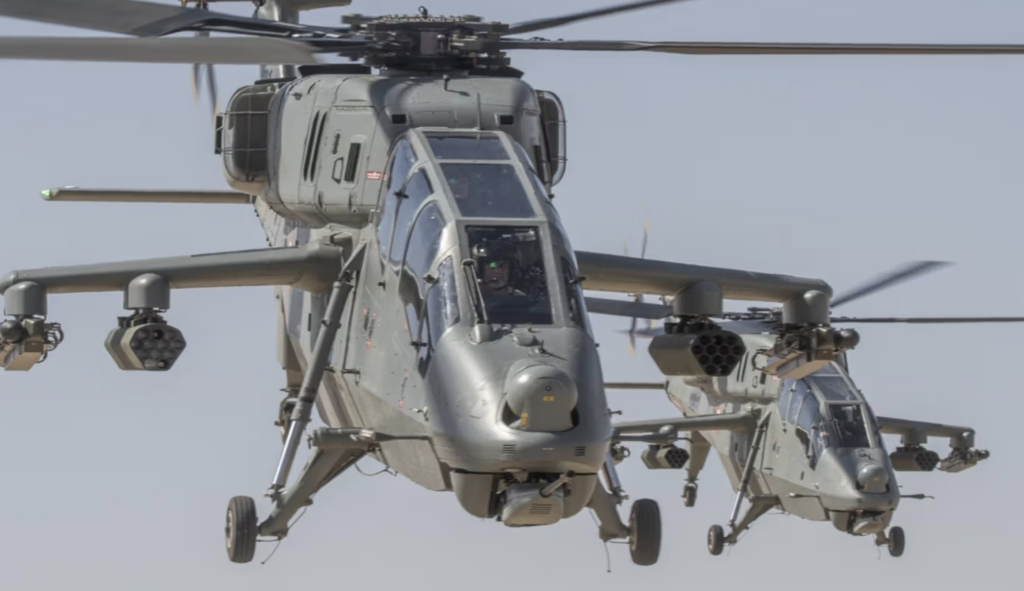
- 156 Prachand Light Combat Helicopters (₹62,700 crore)
- 240 Su-30MKI engines under licence
- Dozens of ALH Dhruv and Do-228 aircraft
- Maintenance of legacy Jaguars and Mirage 2000 fleets
- 25+ parallel overhaul lines
Despite having nine manufacturing divisions across the country, HAL is structurally unable to meet deadlines without a deep reset.
Why the Restructuring Became Inevitable
The immediate trigger was the AMCA (Advanced Medium Combat Aircraft) prototype tender, where HAL was effectively edged out due to workload constraints—despite being the designer and manufacturer of the Tejas program.
South Block’s message was unmistakable:
“Fix systemic inefficiencies or lose future fighter programs.”
Senior officials emphasise that the goal is not disinvestment, but revitalisation.
What BCG Is Likely to Recommend
While the final blueprint is expected in 2026, several key themes are emerging:
1. Platform-Based Verticals
HAL may transition from geography-based manufacturing units to platform-centric profit centres—fighters, helicopters, engines, transports, and upgrades.
2. A Dedicated Combat Aircraft Division
This division would be ring-fenced to compete with private firms building future fighter jets.
3. Spinning Off Non-Core Units
Transport and trainer aircraft lines may be carved out into subsidiaries or joint ventures to free capacity.
4. Greater Delegation & Faster Decision-Making
Division heads may get more financial authority to speed up vendor payments and capex approvals.
5. Outsourcing More to the Private Sector
Tier-1 suppliers such as Tata, Mahindra and Bharat Forge may take over more structural sub-assemblies.
6. Possible Listing of Helicopter & Transport Divisions
This could raise capital for modernisation and reduce government dependency.
A Make-or-Break Moment for India’s Aviation Backbone
Officials maintain that HAL will remain India’s aerospace backbone—but it must transform from a 1960s-era licensed production setup into a lean, globally competitive combat aircraft manufacturer capable of building fifth-generation fighters by 2035.
The BCG-led overhaul may finally give HAL the structure it needs to deliver on India’s soaring defence ambitions.