The Goa Police have issued a strict new directive warning that anyone taking photos or selfies of tourists without their consent could be detained or face legal action. The guideline is intended to protect visitors from harassment, privacy invasion and exploitation — especially against those who feel uncomfortable being photographed by strangers, influencers or photographers without agreeing to it first.
Police officials emphasise that consent is mandatory before capturing images of tourists, and that anyone repeatedly violating this rule could face consequences under relevant laws related to harassment, privacy and public order.
Why Goa Police Are Taking This Step
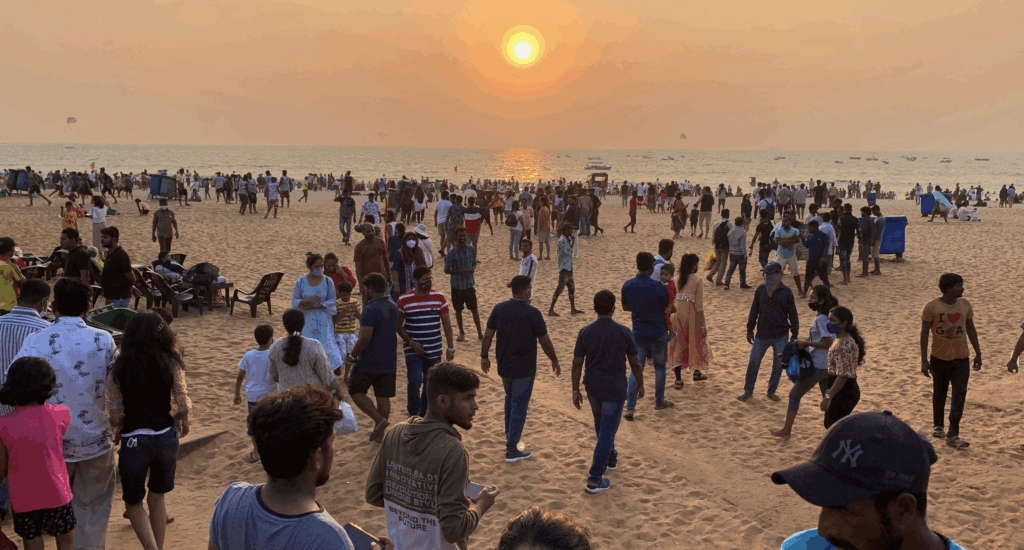
Goa remains one of India’s top tourism destinations, attracting millions of domestic and international visitors each year. However, local authorities have received multiple complaints from tourists who felt intruded upon, pressured or followed by strangers taking their pictures, particularly in popular spots like beaches, markets and nightlife areas.
In response, Goa Police say they are strengthening their focus on visitor safety and comfort by discouraging unsolicited photography. The move comes amid growing global conversations about privacy rights, digital safety and respectful tourism behaviour. Law enforcement officials stress that tourists should feel free to enjoy their travel experience without undue attention or unwanted photos.
What Counts as a Violation
Under the new directive, photographers, videographers, social media influencers and even casual bystanders could face action if they:
- Take photos or record videos of tourists without explicit permission
- Insist or pressure a person to pose after being refused
- Share or publish images of tourists taken without consent on social media
Police have clarified that documenting public places, landscapes or crowd scenes remains permitted, but the focus is on stopping targeted, non-consensual photography of identifiable individuals, especially when they express discomfort.
Tourism and Privacy in the Digital Age
The new stance reflects a broader shift in how authorities are dealing with digital rights and personal privacy in public spaces. With smartphones ubiquitous and influencers increasingly seeking scenic shots and viral content, the definition of “public photography” has become more complex.
Goa Police have said they will also conduct awareness campaigns, signage in key areas and dialogue with tourism stakeholders to ensure both visitors and locals understand the importance of respecting personal boundaries.
Reaction from Tourists and Locals
Tourists welcomed the guideline, saying it makes them feel safer and respected, especially families and solo travellers who may be wary of unwanted attention. Some local guides and businesses also support the policy, noting that respectful interactions enhance the tourism experience and reputation of the state.
However, a few photographers and social media content creators expressed concerns about ambiguity in enforcement and asked for clearer guidelines about what constitutes “consent” and how consent should be obtained.
What to Do If You Want to Take Photos
Goa Police recommend that anyone who wants to take pictures of a tourist should:
- Ask politely before clicking
- Respect the person’s response without argument
- Avoid taking or posting images on social media without clear permission
Simple courtesy, officials say, goes a long way toward making Goa a welcoming and respectful tourist destination.