European cars could soon become far more affordable for Indian buyers as the government moves toward a sharp reduction in import duties under an upcoming India–European Union free trade agreement (FTA). If implemented, the move would mark the most significant liberalisation of India’s highly protected automobile market to date.
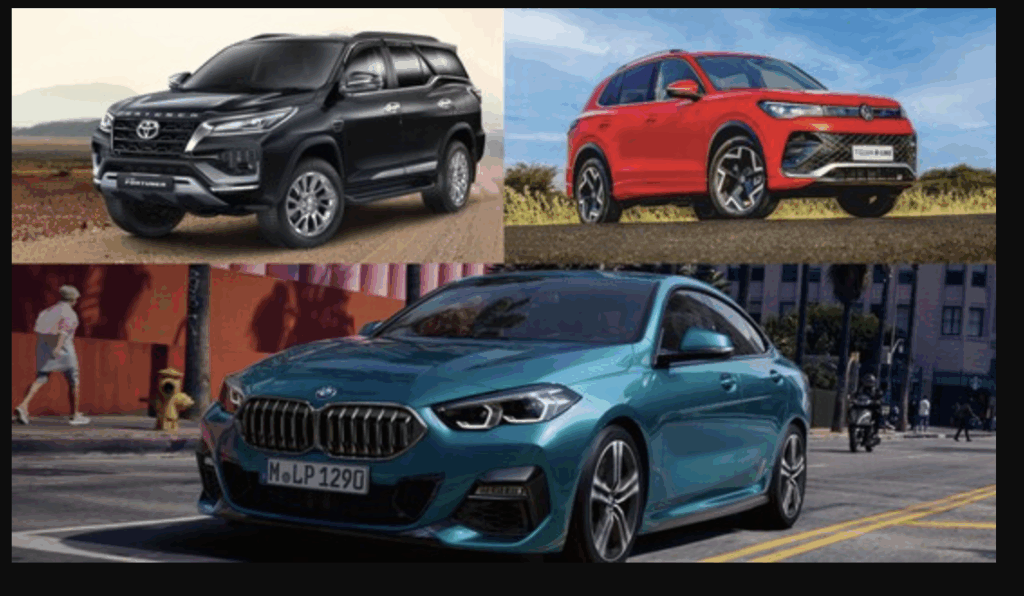
A Big Shift in India’s Auto Trade Policy
India currently levies steep import duties of 70% to 110% on fully built imported cars, a policy designed to protect domestic manufacturers. Under the proposed plan, tariffs on a limited number of European cars priced above €15,000 are expected to be cut to 40% immediately, down from current peak levels. Over time, these duties could be reduced further to as low as 10%, signalling a structural shift in India’s trade stance.
The reduction is expected to apply initially to around 200,000 internal combustion engine vehicles per year, though final quotas may still be adjusted.
Free Trade Pact Nearing Conclusion
The tariff cut is part of a broader India–EU free trade pact that both sides are expected to announce shortly. Often described as the “mother of all deals”, the agreement aims to boost bilateral trade, open markets, and strengthen economic ties between India and the 27-nation European bloc.
For India, the pact could help offset export pressures in sectors like textiles and jewellery, while for Europe it offers deeper access to one of the world’s fastest-growing consumer markets.
What This Means for European Carmakers
Lower import duties would be a major boost for European automakers such as Volkswagen, Mercedes-Benz, BMW, Renault, and Stellantis. While many of these brands already manufacture cars locally in India, high tariffs have limited their ability to import niche or premium models and expand their portfolios.
With reduced duties, automakers could test the Indian market with more models at competitive prices before committing to fresh manufacturing investments.
Protection for India’s EV Industry
Notably, battery electric vehicles will be excluded from tariff reductions for the first five years. This carve-out is aimed at safeguarding investments by domestic players such as Tata Motors and Mahindra & Mahindra, as India’s EV ecosystem is still in an early growth phase.
Impact on the Indian Car Market
India is currently the world’s third-largest car market, selling about 4.4 million vehicles annually, dominated by Maruti Suzuki and domestic manufacturers. European brands together hold less than 4% market share.
With the market expected to grow to 6 million units annually by 2030, the tariff cut could reshape competition, widen consumer choice, and accelerate foreign investment—potentially redefining India’s automotive landscape over the next decade.