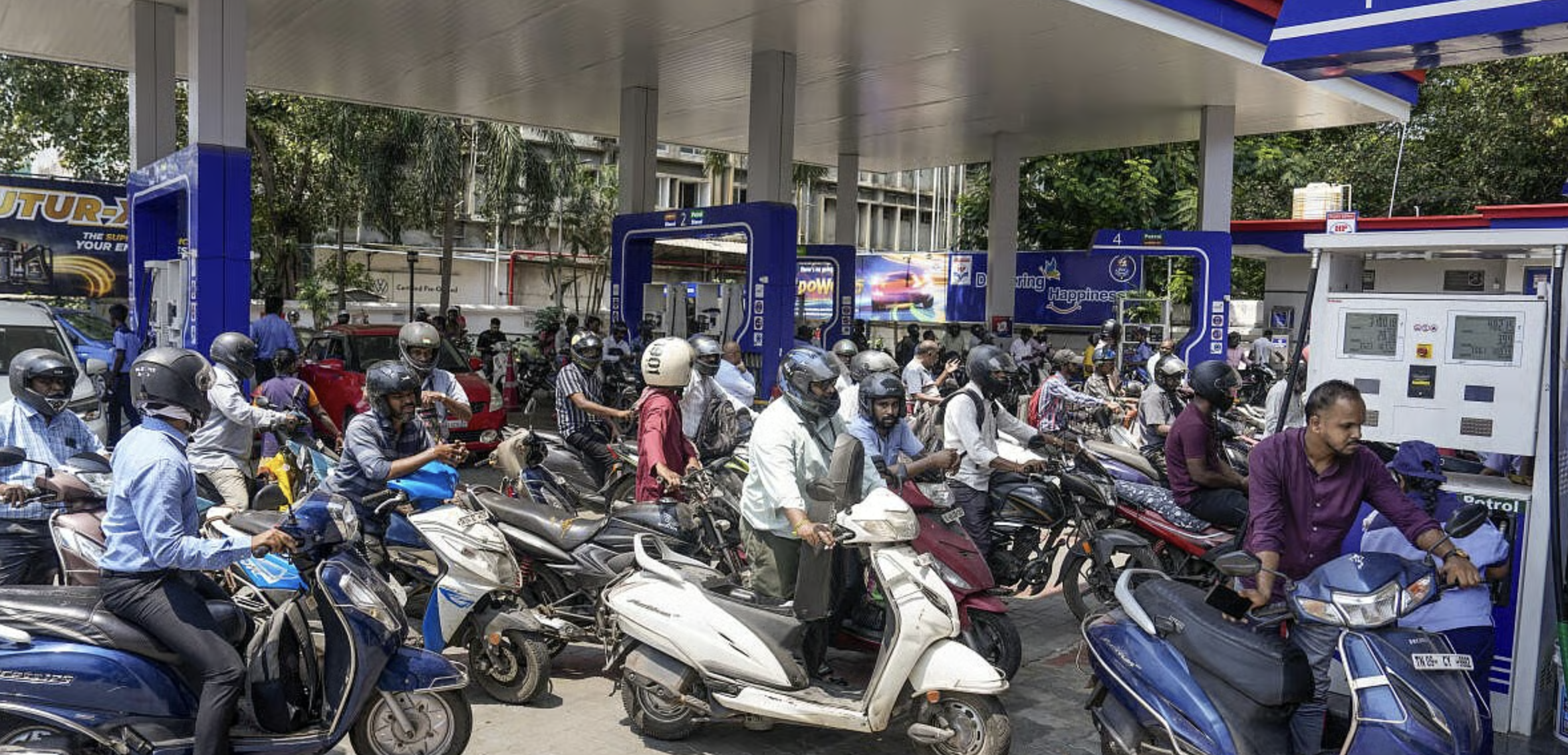
India’s transition to E20 petrol—fuel containing 20% ethanol—was intended to reduce oil imports and promote cleaner energy. But for millions of vehicle owners, it’s proving costly. According to a new survey by LocalCircles, 8 in 10 petrol vehicle owners have experienced a noticeable drop in mileage since the nationwide rollout began.
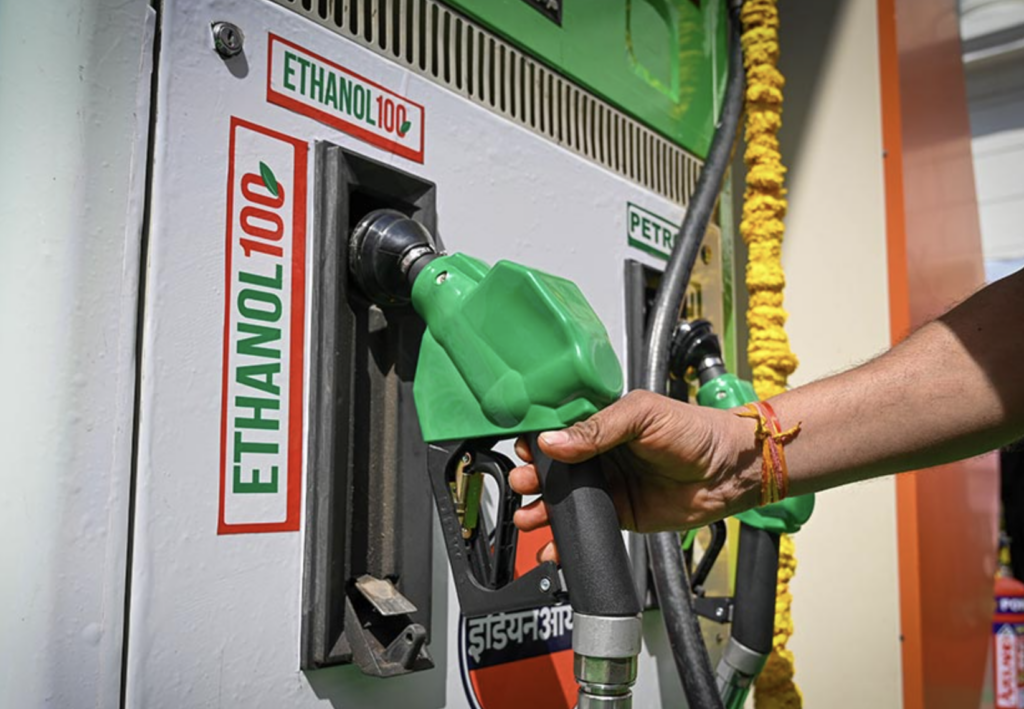
The survey highlights that complaints about fuel efficiency have increased significantly—from 67% in August 2025 to 80% in October 2025. The most affected are owners of vehicles purchased in 2022 or earlier, which were not fully optimized for higher ethanol blends.
Key Survey Findings
The LocalCircles survey collected over 36,000 responses from petrol vehicle owners across 323 districts in India. The participant base was diverse:
- 69% were men, 31% women.
- 45% respondents were from Tier-I cities, 27% from Tier-II cities, and 28% from smaller towns and rural areas.
While the government has maintained that E20 is compatible with all vehicles, the on-ground reality suggests otherwise.
Maintenance Costs on the Rise
Beyond fuel efficiency, owners are reporting a sharp increase in maintenance and repair costs. Mechanics in major cities say they have seen a 40% rise in fuel-related issues since April 2025. Problems range from hard starts and engine knocking to severe corrosion in fuel lines and injectors.
In one extreme case, a luxury car owner in Chennai reportedly spent ₹4 lakh on engine repairs after the fuel system was damaged due to water contamination linked to E20.
What’s Causing the Problem?
Experts explain that ethanol, being hygroscopic, absorbs moisture from the air, which can cause corrosion and dilution of fuel. Older engines designed for low-ethanol petrol (E10 or lower) are particularly vulnerable. These vehicles often lack ethanol-resistant seals, hoses, and injectors—leading to premature wear and damage.
Government’s Stand
The government continues to promote E20 as a step toward energy self-reliance and cleaner emissions. The Ministry of Petroleum and Natural Gas and NITI Aayog argue that all vehicles manufactured since 2017 are technically E20-compliant, provided regular maintenance is done.
However, the LocalCircles findings suggest that real-world performance doesn’t align with lab claims. Many drivers argue that the cost savings from ethanol-blended petrol are negated by reduced mileage and higher repair expenses.
The Road Ahead
With ethanol blending here to stay, vehicle owners may need to adapt through more frequent maintenance, fuel system cleaning, and use of compatible additives. Automakers are also expected to roll out E20-optimized models in the coming months to minimize performance losses.
For now, the debate continues—between policymakers pursuing sustainability goals and consumers grappling with real-world challenges at the fuel pump.