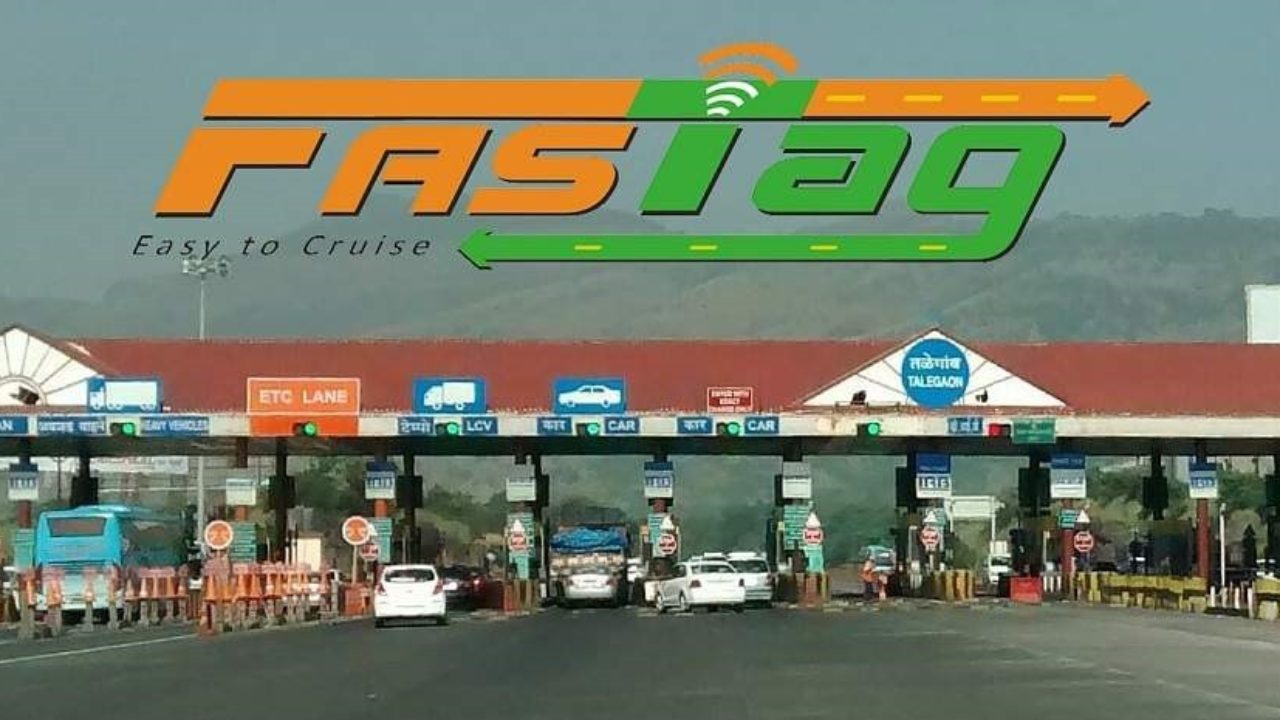
In the near future, India’s highways and expressways will be equipped with highly sensitive optical cameras that will monitor almost every vehicle, mainly for toll collection purposes.
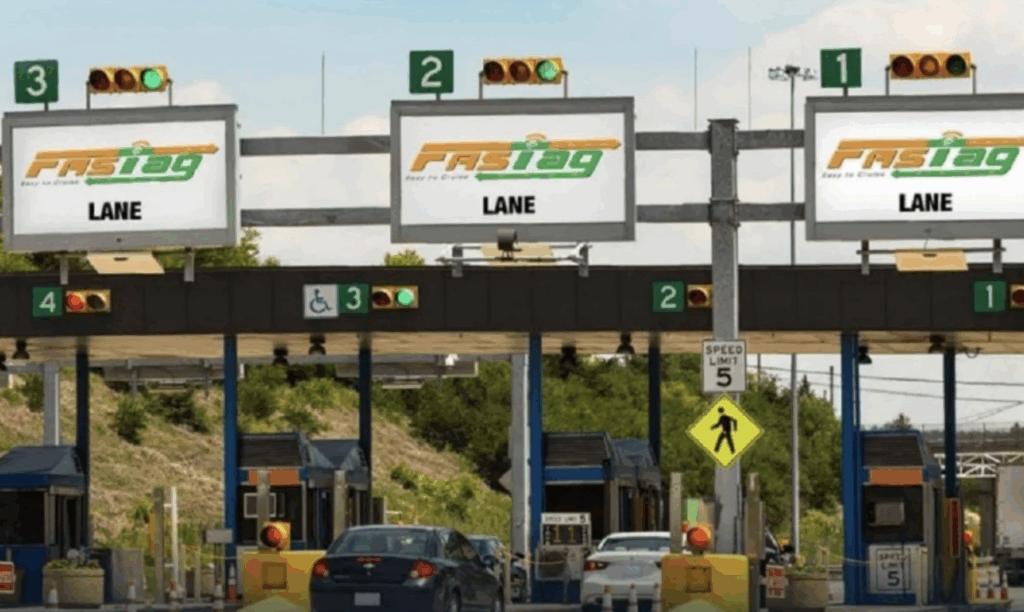
The National Highways Authority of India (NHAI) has started implementing a multi-lane free flow (MLFF) tolling system to make toll collection barrier-free.
India to Install High-Tech Optical Cameras for Seamless Toll Collection
Indian Highways Management Co. Ltd. (IHMCL), a company promoted by NHAI along with road concessionaires and financial institutions, has begun issuing tenders for this new tolling system.
The MLFF system will allow automatic toll transactions through high-performance RFID readers and ANPR (Automatic Number Plate Recognition) cameras that can read FASTags and vehicle registration numbers.
In its first phase, the MLFF system will be introduced at about 25 National Highway toll plazas during the current financial year on stretches operated by the NHAI.
Each tolling setup will involve a bank or financial institution along with a system integrator responsible for installing and managing the technology.
According to Anuresh Sharma, Chief Operating Officer of Highway Traffic Management System at Arya Omnitalk, “Seven or eight projects have already been out where the banks have bid, such as ICICI Bank, Airtel Payment Bank, JIO Payments platform and IDFC First,” identifying them as the frontrunners in MLFF implementation.
Three Core Technologies Power India’s New MLFF Tolling System
The success of the MLFF system depends on three key components: the front ANPR camera, the rear ANPR camera, and the RFID reader installed on gantries.
Sharma explained that “the RFID tag, the FASTag has to be read and the front license plate of the vehicle is to be captured,” and that optical character recognition (OCR) technology combined with artificial intelligence will ensure more accurate readings of vehicle license plates.
As vehicles pass under the gantry, their rear license plates will also be photographed, giving three data points — front ANPR, rear ANPR, and RFID readings — for each vehicle.
LiDAR technology, which uses laser-based remote sensing, will help classify vehicle types more accurately along with AI-enabled OCR.
After the system captures the data, it will send the transaction details to the bank or financial entity managing toll collection.
The bank will then verify the transaction through the National Payments Corporation of India (NPCI) and deduct the toll amount from the vehicle owner’s FASTag wallet.
Currently, this system operates only at publicly funded toll plazas, but private concessionaires are beginning to adopt it.
Future highway concession agreements are expected to make the use of MLFF tolling mandatory.