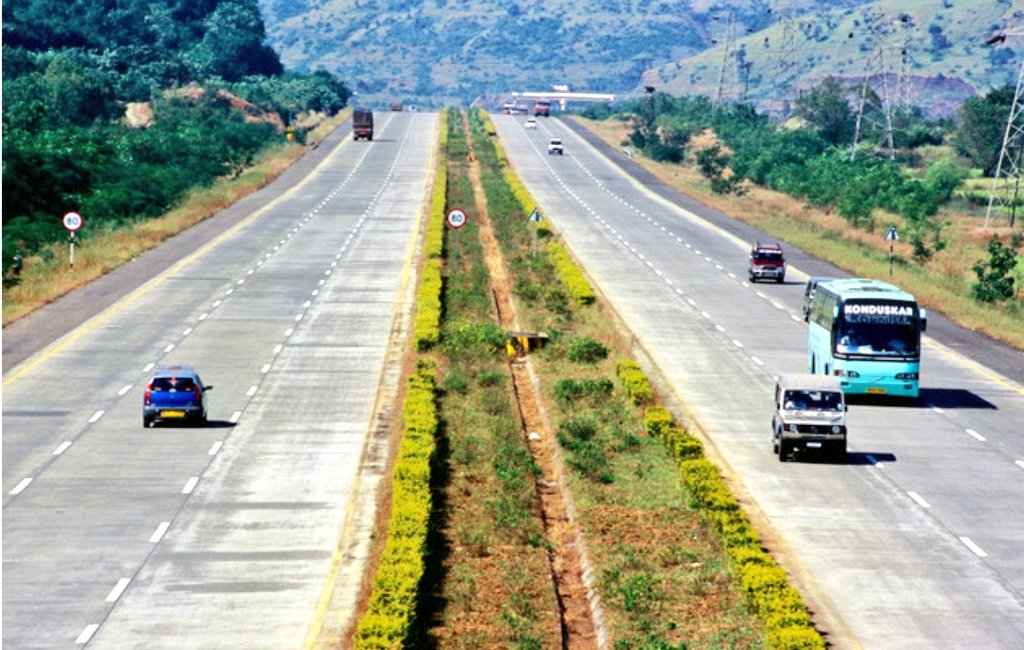
In response to worsening air pollution, Delhi is exploring the revival of shared taxi rides as a way to reduce vehicular emissions and improve air quality. The initiative aims to encourage commuters to travel together instead of using individual cars, thereby decreasing traffic congestion and lowering carbon emissions in the capital.

Why the Move Is Being Considered
Delhi frequently experiences hazardous air quality levels, especially during winter months when meteorological conditions and local pollution sources combine to trap smog over the city. Road transport — particularly private vehicles — is a significant contributor to pollution, releasing harmful gases and particulate matter.
Reviving shared taxi services is seen as one of several strategies to curb private vehicle usage and reduce the volume of cars on Delhi’s busy roads. By increasing occupancy per vehicle, the city hopes to make commuting more efficient and environmentally friendly.
How Shared Taxi Rides Would Work
Under the proposed system, commuters heading in similar directions could use shared taxi services that operate on fixed or flexible routes. These could be facilitated through:
- App-based bookings that match passengers with similar routes
- Fixed pickup and drop points for convenience and safety
- Subsidised fares to incentivise participation
- Integration with public transport hubs like metro stations and bus terminals
The concept resembles existing carpooling and ride-sharing models, but with greater public sector encouragement and possible regulatory frameworks to ensure compliance and safety.
Expected Benefits for Commuters and the Environment
If implemented successfully, shared taxi rides could deliver multiple benefits:
- Reduced traffic congestion: Fewer individual cars on the road mean smoother traffic flow.
- Lower emissions: Increased vehicle occupancy decreases per-person pollution output.
- Cost savings: Shared travel reduces individual commuting costs.
- Improved air quality: With fewer pollutants released, air quality indices could improve, particularly during peak smog periods.
Commuters may also find shared rides more affordable and socially engaging, bringing greater convenience without needing to rely on private vehicles.
Challenges and Considerations
While the idea is promising, there are challenges to address:
- Safety and trust: Ensuring passenger safety and comfort in shared rides is critical.
- Regulation and monitoring: Clear rules will be needed to govern shared taxi operations.
- Public adoption: Convincing commuters to shift from private cars to shared rides requires effective incentives and public awareness campaigns.
City planners will need to work with transport authorities, taxi operators, and ride-hailing platforms to establish a scalable model that users trust.
Conclusion
Reviving shared taxi rides in Delhi could be a valuable tool in the fight against air pollution. By encouraging commuters to share rides instead of driving alone, the city aims to reduce emissions, ease traffic, and improve the quality of life for residents. With thoughtful implementation, shared taxi services could become a practical complement to public transport and a step forward in sustainable urban mobility.