Chinese carmakers are becoming strong competitors to Indian companies like Tata Motors and Mahindra & Mahindra in the electric vehicle (EV) market.
This shift coincides with a slight warming of India–China commercial relations despite past US-triggered tariff disruptions.
Chinese Carmakers Emerging as Major Competitors in India’s Electric Vehicle Market
Data from Jato Dynamics shows that Chinese brands such as BYD, MG Motor, and Volvo now make up 33% of India’s EV market, placing them second behind Indian manufacturers.
Chinese EV sales in India totaled 57,260 units till October this year, compared to 101,724 units sold by Indian brands.
Ravi Bhatia, president of Jato Dynamics India, said, “These shifts represent more than volume momentum — they reflect how technology cycles, pricing evolution, and customer expectations are reshaping competitive strategy in India.”
He added that OEMs that align product, pricing, and network strategies with real-time competitive intelligence will define India’s EV future.
Bhatia also noted, “Brands like MG and Volvo illustrate an important distinction: ownership and brand origin are no longer the same in the EV era.”
Expansion of Chinese Electric Vehicle Brands, BYD, MG Motors, and Volvo, in the Indian Market
BYD entered India in 2016 as a battery and bus-chassis supplier, mainly through collaboration with Olectra for electric buses.
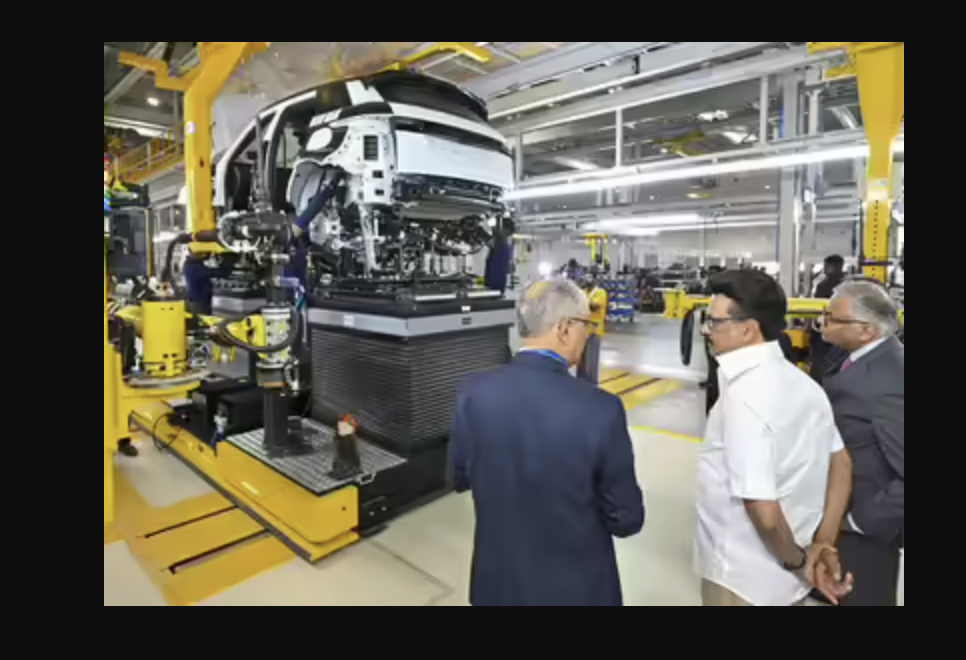
BYD set up a manufacturing base near Sriperumbudur, Tamil Nadu.
In November 2021, BYD launched the e6 electric MPV in India, followed by the Atto 3 electric SUV assembled from semi-knocked-down (SKD) kits in Chennai.
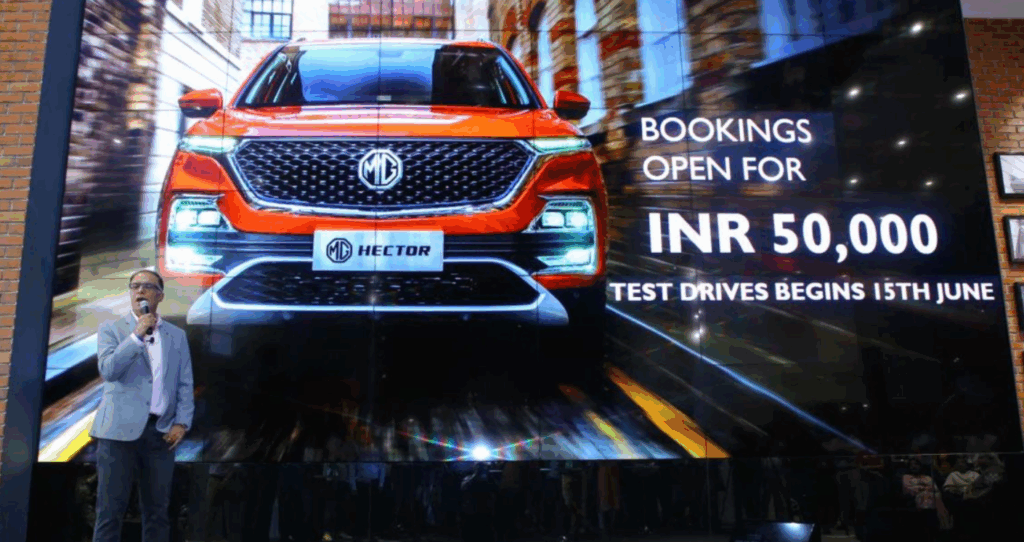
MG Motor, originally British, is wholly owned by China’s SAIC Motor and was revived in India in 2019 with partial Indian investment.
MG Motor has since transitioned into a joint venture with India’s JSW Group.
Volvo, known for Scandinavian design and Swedish safety engineering, has been owned by China’s Geely Holding since 2010, which provided capital to revive Volvo globally.
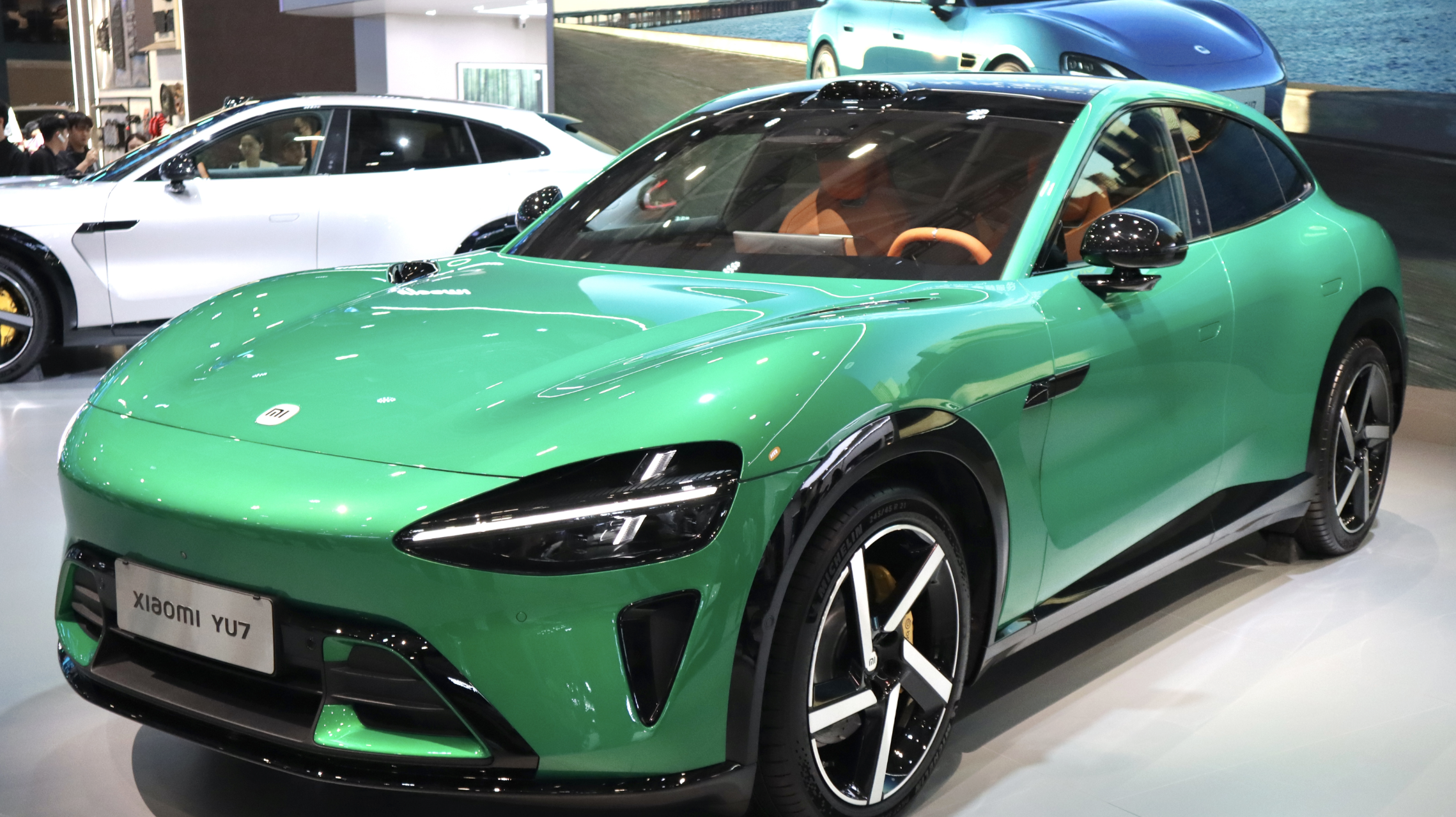
Other Chinese EV makers, including Xpeng, Great Wall Motors, and Haima, are considering entering the Indian market.