Mandatory e-Aadhaar for Tatkal Tickets: A New Chapter in Railway Reforms
Indian Railways is all set to roll out e-Aadhaar authentication for booking Tatkal tickets. This new initiative, expected to begin later this month, aims to streamline last-minute travel bookings by eliminating fraudulent practices and ensuring genuine passengers have better access to tickets.
Why the Change is Necessary
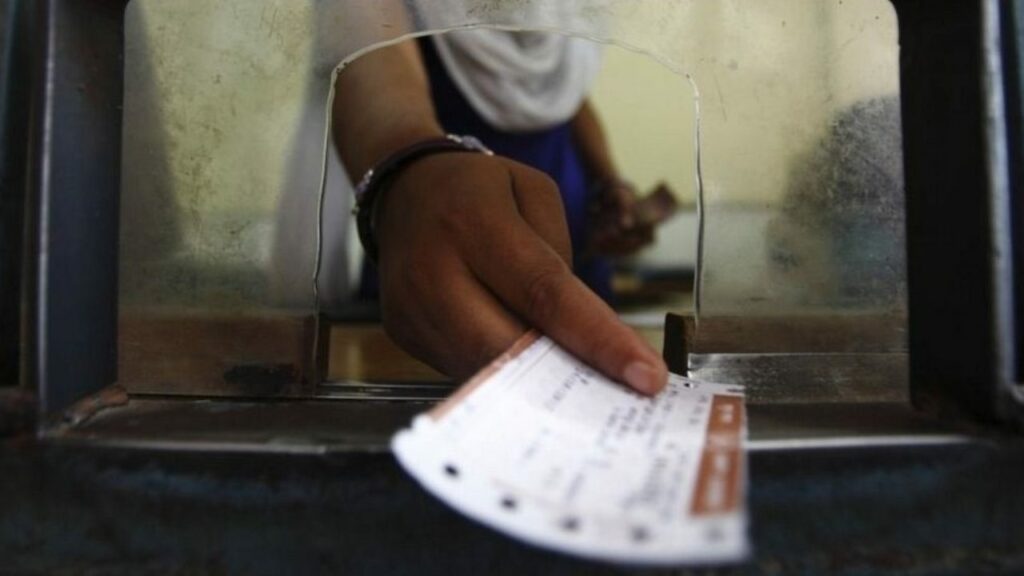
Tatkal tickets, introduced for emergency and last-minute travel, have long been vulnerable to misuse. Agents and scalpers often use automated software to hoard tickets within seconds of booking windows opening. Over half of Tatkal tickets are typically booked within the first 10 minutes, leaving many genuine travelers empty-handed. By making e-Aadhaar authentication mandatory, Indian Railways seeks to plug these loopholes.
Digital Identity for Transparent Bookings
With the new rule, passengers will need to verify their identity using e-Aadhaar at the time of booking Tatkal tickets online. This step will significantly reduce the chances of multiple bookings using fake identities and discourage agents from monopolizing the quota. Union Railway Minister Ashwini Vaishnaw confirmed that this move will help ensure that real users get confirmed tickets when they need them most.
Exclusive 10-Minute Priority for Aadhaar-Linked Accounts
As part of the reform, only Aadhaar-linked user accounts will be able to book Tatkal tickets during the crucial first 10 minutes after the window opens. This rule also applies to IRCTC’s authorised agents, who will be barred from booking during this priority window. The idea is to give individuals a fair chance to secure tickets without competing against high-speed automated tools used by agents.
Conclusion: A Passenger-Friendly Move
This step by Indian Railways marks a significant shift towards a more secure and equitable ticketing system. With e-Aadhaar authentication in place, the Tatkal booking process is expected to become more transparent and reliable. It is a strong message that technology will be used to empower genuine passengers and curb unfair practices.
I