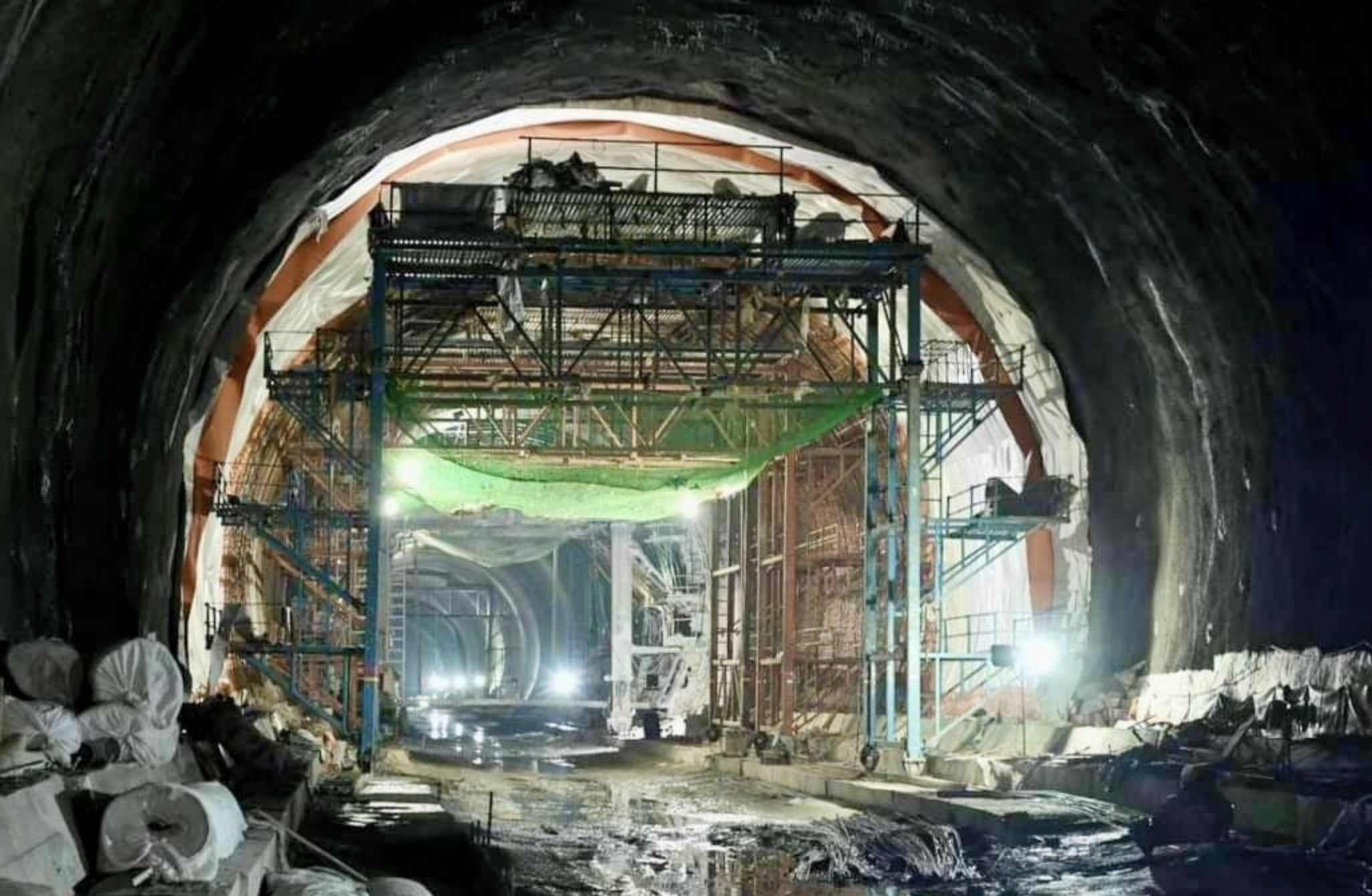
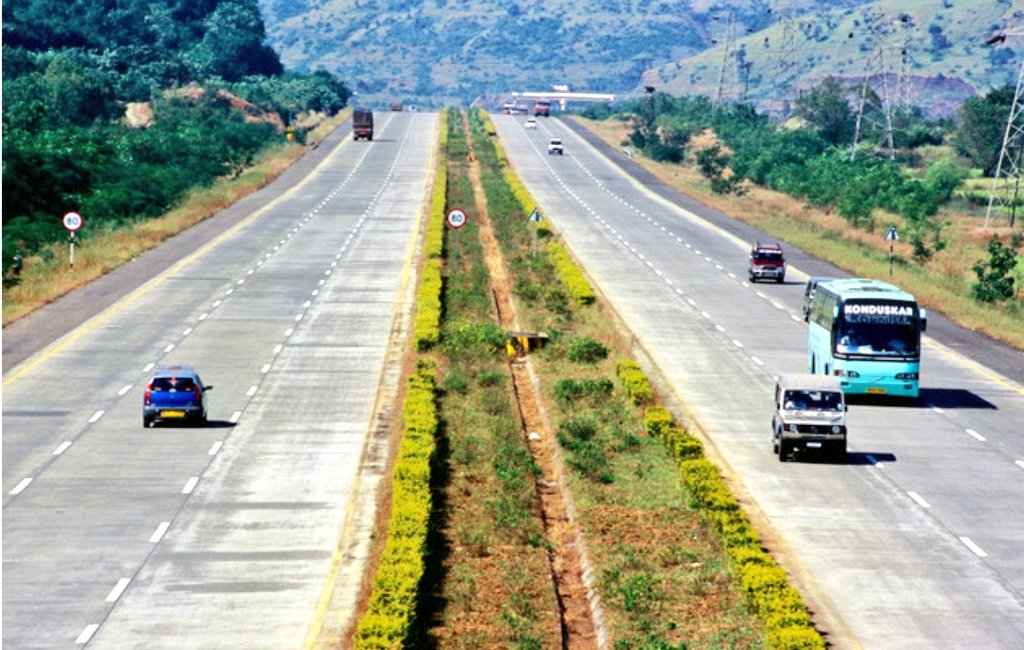
Like traffic lights dissolving into open road, toll gates are preparing to disappear from the journey.
Toll Plazas Without Stops
A trial of the multi-lane free flow (MLFF) tolling system is set to begin soon at key toll plazas in Tamil Nadu, marking a significant shift in highway travel. The pilot will be conducted at Paranur plaza on the Chennai–Tiruchi National Highway and at Chennasamudram and Sriperumbudur (Nemili) plazas on the Chennai–Bengaluru National Highway.
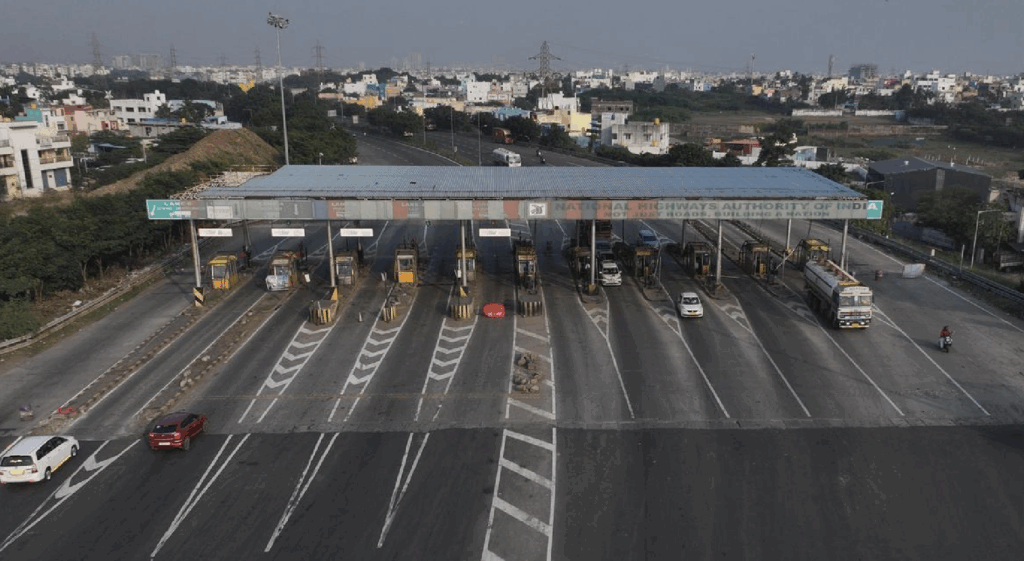
Under the MLFF system, toll plazas will be equipped with overhead gantries featuring RFID readers, radar scanners, audit surveillance cameras, and a combined FASTag–Automatic Number Plate Recognition (ANPR) setup. Officials from the National Highways Authority of India (NHAI) said the system is designed to allow vehicles to pass through toll points without stopping, cutting congestion and improving overall travel experience. With MLFF in place, the intended waiting time at toll plazas is zero.
The scale of traffic at these locations underscores the need for such a system. The Paranur toll plaza handles approximately 46,500 vehicles daily, while Sriperumbudur records over 33,500 vehicles each day. Authorities believe that eliminating physical stoppages will significantly ease bottlenecks on these heavily used corridors.
Technology, Timelines and Caution for Motorists
The firm selected to design, develop, and implement the MLFF system will also be responsible for operating and maintaining it. The company must ensure that toll charges collected are promptly transferred to motorists’ linked bank accounts. Additionally, it is required to provide a web-based portal for real-time system monitoring. This platform will allow access to transaction data, discounted passes, toll revenue, reconciliation reports, and e-notices issued to users.
The contract period includes five months for design, development, and implementation, followed by another five months dedicated to operation and maintenance. While the system promises seamless movement, toll operators caution that efficiency depends heavily on technology performance.
According to a toll operator, the speed of clearance relies on the condition of the FASTag and the responsiveness of the backend server. “Even if there is a bit of dust on the tag or if it is damaged, the reader will not be able to function. If all these factors are fine, it will take under 15 seconds for a vehicle to pass. Motorists should ensure that the tags are not damaged in any manner,” he said, adding that the MLFF would ensure faster clearance of vehicles.
And as barriers fade into beams of data, the highway moves closer to uninterrupted motion.
Summary
A trial of the multi-lane free flow (MLFF) tolling system will begin at select toll plazas on the Chennai–Tiruchi and Chennai–Bengaluru highways. Using gantries with RFID, ANPR, and radar systems, vehicles will no longer need to stop at tolls. Authorities aim to cut congestion, while urging motorists to maintain undamaged FASTags for smooth passage.