A workplace surveillance policy introduced by billionaire attorney John Morgan has triggered a debate over privacy and productivity after he claimed that 23 employees resigned within a week of being required to accept camera monitoring while working from home.
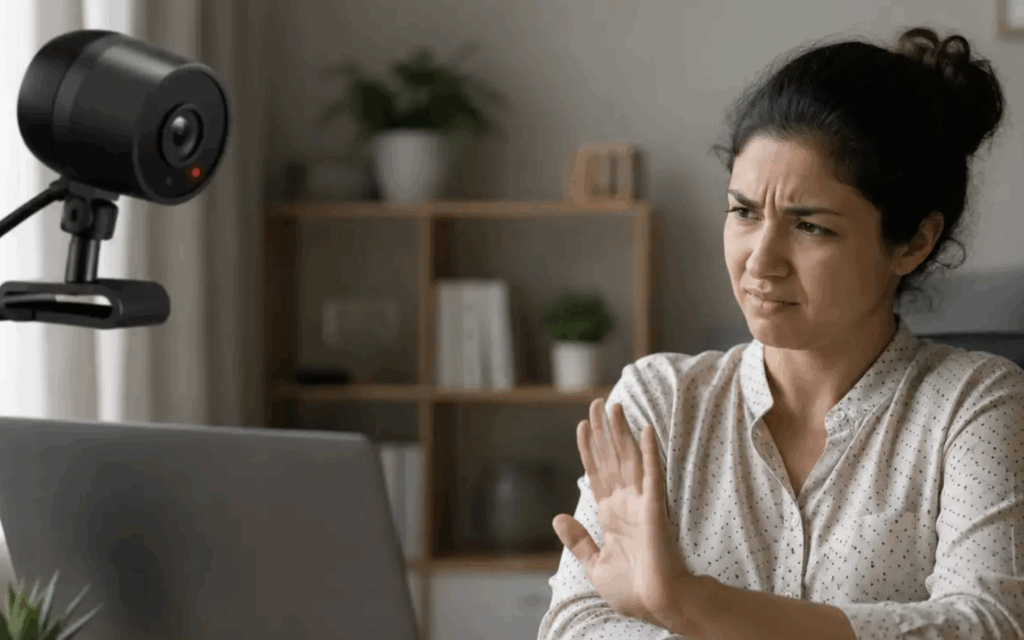
Camera Monitoring Introduced for WFH Staff
Morgan, founder of Morgan & Morgan, said employees who did not want to return to the office were allowed to continue working remotely, but only under stricter monitoring conditions.
The company introduced camera monitoring and keystroke tracking on work-from-home devices. Morgan said the system was intended to measure employee activity and improve accountability.
He claimed that 23 employees left within the first week of the policy being introduced.
Boss Says Employees Did Not Want Accountability
Morgan interpreted the resignations as evidence that the workers were not opposed to working remotely itself, but did not want the additional oversight.
He argued that employees should be accountable for their working hours and productivity even when they are not physically present in an office.
However, the claim has not established that the 23 employees were unproductive. Their reasons for resigning have also not been independently documented.
Privacy Becomes the Bigger Issue
The policy has sparked criticism because a workplace camera can effectively turn an employee’s home into a monitored workspace.
Critics argue that employers can assess remote workers through deliverables, deadlines, performance and communication without continuously watching them through a laptop camera.
The distinction is important: monitoring whether an employee completes assigned work is fundamentally different from monitoring their physical presence throughout the working day.
Does Camera Monitoring Improve Productivity?
The controversy raises a broader question for companies adopting remote or hybrid work: does greater surveillance actually produce better performance?
Camera monitoring may give managers more visibility, but it can also create distrust and make employees feel that they are being treated as though they cannot be trusted to work independently.
For knowledge workers, productivity is often difficult to measure through keystrokes or screen activity alone. Research, problem-solving, meetings and creative work can involve long periods without visible computer activity.
The Future of Remote Work
Employers are increasingly experimenting with productivity-monitoring software as remote work becomes a permanent part of many organisations.
The challenge is finding a balance between accountability and employee autonomy. Clear performance expectations, measurable outcomes and regular communication can provide employers with visibility without requiring continuous surveillance.
For Morgan’s company, the reported resignations show how quickly a monitoring policy can become a workplace-culture issue.
Summary: Billionaire attorney John Morgan said 23 employees quit within a week after his company introduced camera monitoring and keystroke tracking for people working from home. Morgan viewed the departures as resistance to accountability, while critics argued that continuous surveillance invades employee privacy. The episode highlights the growing tension between remote-work flexibility, employer oversight and employee trust.