In a major move that could provide substantial relief to the middle- and lower-income groups, the Indian government is reportedly planning to restructure the Goods and Services Tax (GST) slabs. The key proposal under discussion is to either reduce GST on essential items from 12% to 5% or remove the 12% slab entirely.
Relief for the Common Man
Sources say that most items in the 12% GST bracket are daily-use goods heavily consumed by the middle class and economically weaker sections. By reducing the GST to 5% on these items, the government aims to:
- Lower prices of essential goods
- Ease inflationary pressure
- Increase household affordability
Alternatively, scrapping the 12% slab and redistributing items into the 5% or 18% categories is also being considered.
These Items Can Become Cheaper
| Toothpaste, Tooth powder | 12% | 5% | Cheaper |
| Sanitary napkins | 12% | 5% | Cheaper |
| Umbrellas | 12% | 5% | Cheaper |
| Sewing machines | 12% | 5% | Cheaper |
| Pressure cookers, kitchen utensils | 12% | 5% | Cheaper |
| Electric irons | 12% | 5% | Cheaper |
| Geysers | 12% | 5% | Cheaper |
| Small-capacity washing machines | 12% | 5% | Cheaper |
| Bicycles | 12% | 5% | Cheaper |
| Readymade garments (over ₹1,000) | 12% | 5% | Cheaper |
| Footwear (₹500–1,000) | 12% | 5% | Cheaper |
| Stationery items | 12% | 5% | Cheaper |
| Vaccines | 12% | 5% | Cheaper |
| Ceramic tiles | 12% | 5% | Cheaper |
| Agricultural tools | 12% | 5% | Cheaper |
| Condensed milk, butter, cheese | 12% | 5% | Cheaper |
| Nuts and dried dates | 12% | 5% | Cheaper |
| Tableware and kitchenware of wood | 12% | 5% | Cheaper |
| Building bricks | 12% | 5% | Cheaper |
| Hand bags and shopping bags (cotton/jute) | 12% | 5% | Cheaper |
| Idols of wood, stone, non-precious metals | 12% | 5% | Cheaper |
| Rubber bands | 12% | 5% | Cheaper |
| Packed and labelled tender coconut water | 12% | 5% | Cheaper |
| Diabetic foods | 12% | 5% | Cheaper |
| Packed drinking water (20L bottles) | 12% | 5% | Cheaper |
Political and Economic Significance
This move comes at a crucial time—an election year, where economic relief for the masses could play a pivotal political role. The GST restructuring is seen as a measure to:
- Improve public sentiment
- Address rising concerns about inflation
- Position the government as pro-middle-class
It would also be the most significant overhaul of GST rates since the tax system was implemented in 2017.
GST Council to Make the Final Call
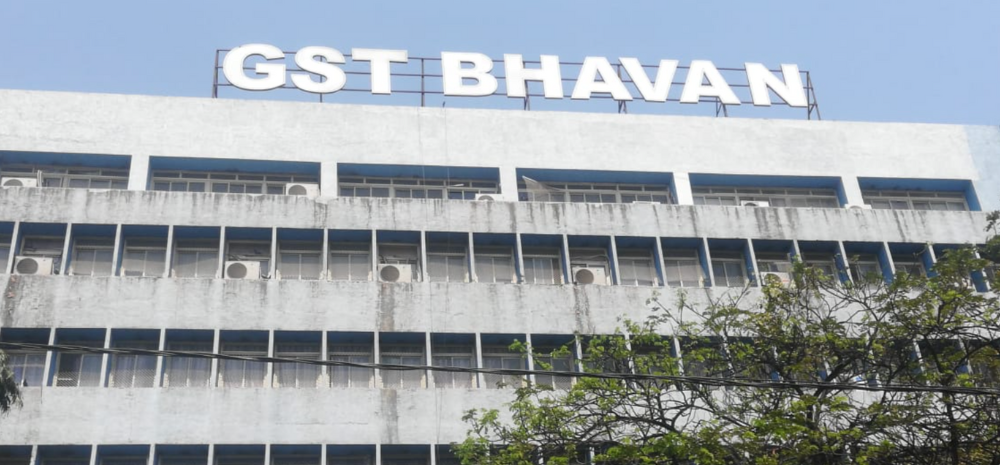
The GST Council, chaired by the Union Finance Minister and comprising state finance ministers, holds the authority to recommend changes to tax structures. The 56th meeting of the Council is expected later this month, with a 15-day advance notice required as per protocol.
The Council’s decision will be crucial in determining:
- Whether the 12% slab will be retained
- Which items will move to the 5% bracket
- Whether any goods are shifted to higher slabs like 18%
Impact on Households and Markets
If approved, the proposal would:
- Make essential goods more affordable
- Increase purchasing power of consumers
- Potentially boost market demand for these goods
This tax reform may emerge as a key economic and electoral strategy, aimed at providing tangible relief to millions of Indian households.