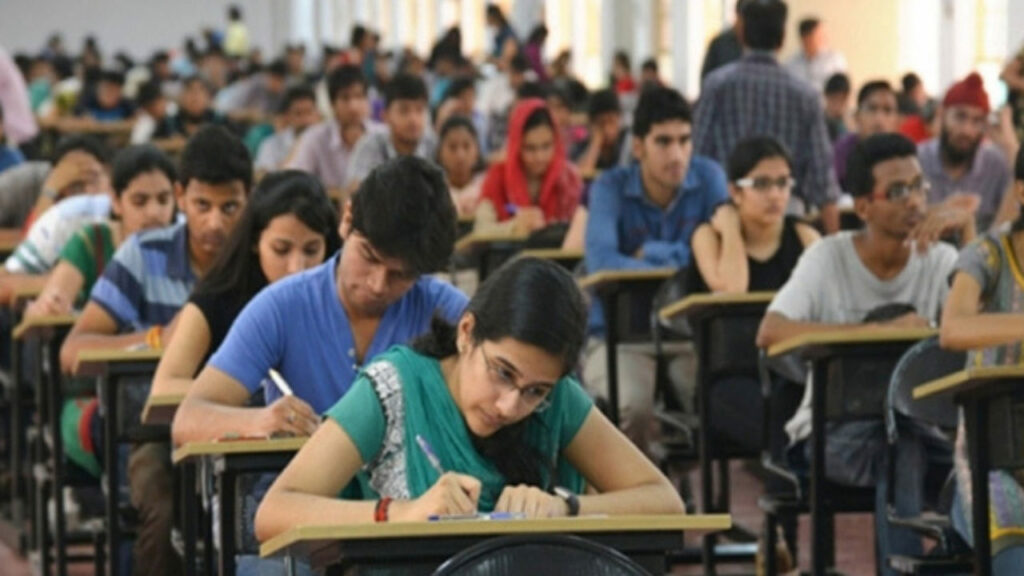
Finance Minister Nirmala Sitharaman has announced a major push to bridge India’s skill gap by upgrading one ITI in every district into an AI-based training hub under a hub-and-spoke model. The initiative is aimed at preparing India’s youth for an industry rapidly moving toward digital and AI-driven operations.
The Hub-and-Spoke Model
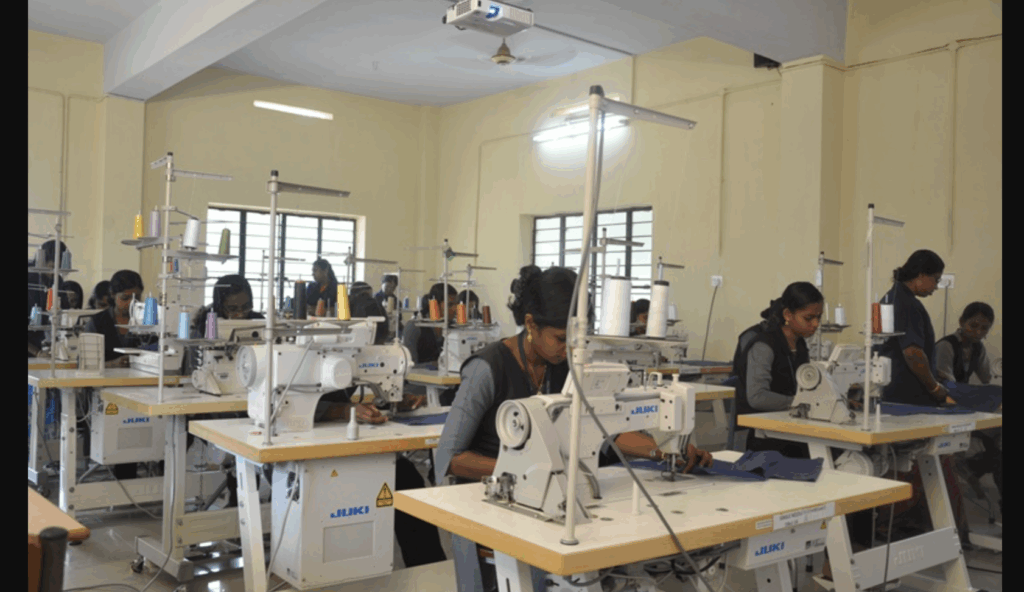
India currently has 14,615 Industrial Training Institutes (ITIs), of which 3,316 are government-run. Under the new scheme, around 750 district-level ITIs will serve as hubs, receiving central funding to transform into AI-enabled training centres. These will be supported by nearby ITIs acting as spokes, ensuring a wider reach across states.
This follows the Cabinet’s approval in May of a ₹60,000 crore plan to revamp 1,000 ITIs and establish five National Centres of Excellence, targeting training for over two million youth.
Bridging the Skill Gap
Speaking at the International Forum for Quality Management Symposium, Sitharaman stressed that while India is moving fast toward digital adoption, the shortage of skilled workers remains a key challenge. She highlighted that many graduates hold degrees but lack industry-ready grooming, making collaboration with the private sector critical to employability.
Industry leaders from Bajaj Auto, ITC, HAL, and Hero MotoCorp are part of the National Steering Committee tasked with framing guidelines for upgrading India’s skilling ecosystem.
Expanding Beyond ITIs
Alongside ITI upgrades, the government is supporting AI research and training at IITs and the Indian Institute of Science. These centres of excellence are focusing on priority sectors such as agriculture, education, healthcare, urban development, space, and nuclear technology.
By combining infrastructure upgrades with industry collaboration, the initiative seeks to align skills training with real-world needs across sectors ranging from manufacturing to automation.
Looking Ahead
With the new reforms, India aims to equip its youth with AI and digital skills, positioning them for global opportunities. The government’s approach reflects a shift from traditional training to future-ready skilling, ensuring that India’s demographic dividend translates into an innovation-driven workforce.