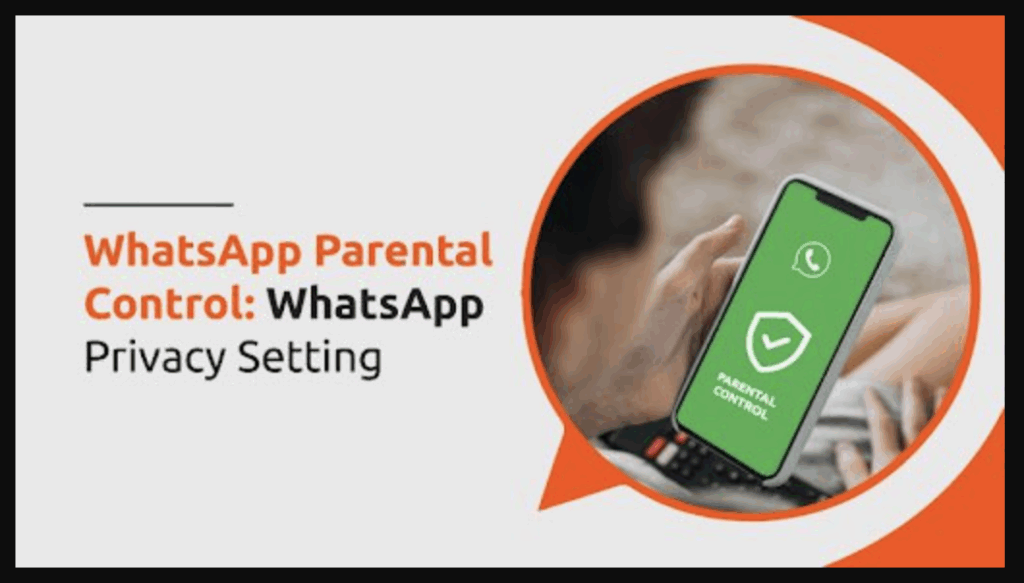
WhatsApp is working on a new “Primary Controls” feature designed to give parents more oversight and control over how younger users — especially minors — use the messaging platform. The feature, spotted in recent Android beta builds, aims to strike a balance between child safety and user privacy by allowing parents to manage restricted secondary accounts without accessing private message content.
What the Feature Does
Under the proposed system, parents would set up a secondary WhatsApp account for a child by linking it to their own through a QR code and a six-digit PIN. Once linked, this secondary account would operate with restrictions intended to limit exposure to unknown contacts and potentially harmful interactions.
Key Planned Controls
- Limited messaging and calling: Minors could only communicate with saved contacts on their device.
- Feature restrictions: Sections like Channels, Updates, broadcast lists, and Chat Lock may be disabled on secondary accounts.
- Activity indicators: Parents might see signals such as new contact additions without reading messages or calls.
- Privacy preserved: Chats and calls remain private due to WhatsApp’s end-to-end encryption.
Why This Matters
WhatsApp’s dominance as a messaging app means it’s often among the first communication tools adopted by teenagers. However, platforms of this scale face challenges around online safety for younger users. The new parental control system responds to these concerns by offering a safer experience without compromising encryption or chat privacy — a common tension in safety tools for minors.
Development Status and Availability
The feature remains under development and has not yet been released to beta testers widely. It’s expected to roll out in future app updates once testing is complete. WhatsApp has not announced an official launch timeline, and availability may vary by region and platform version.
Balancing Safety and Privacy
By allowing parental oversight over account settings and interaction limits — but not message content — WhatsApp is attempting to cater to both digital safety concerns and encryption commitments. If implemented as currently described, the feature could provide parents with meaningful controls while preserving the core privacy guarantees that define WhatsApp’s service.
As messaging platforms increasingly adapt to family safety needs, WhatsApp’s move could set a precedent for how secure, privacy-preserving child safety tools are built into widely used apps.