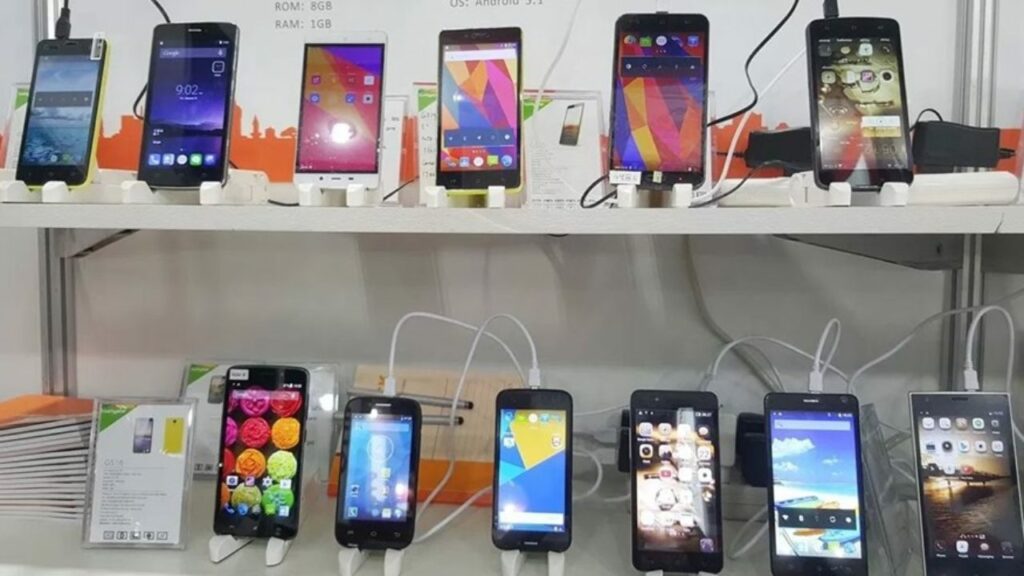
India’s smartphone market is witnessing a sharp price surge, with leading brands like Vivo, Samsung, Oppo, Xiaomi, and Realme increasing prices across multiple models—some by as much as 40%. The hikes come at a time when the market was already struggling with slow growth and weak consumer demand.
What’s Driving the Price Hike?
The price rise is being driven by a double global disruption:
1. AI Boom Triggering Chip Shortage
A major factor is the global shortage of memory chips. Companies like Nvidia are prioritizing AI infrastructure and data centers, which has:
- Reduced supply of smartphone-grade chips
- Increased memory chip prices by over 120% in recent months
Memory components now account for up to 40% of smartphone costs, compared to 18% earlier—forcing brands to pass costs to consumers.
2. West Asia Conflict Increasing Costs
The ongoing geopolitical tensions in West Asia have pushed up:
- Raw material costs (like plastics and components)
- Logistics and shipping expenses
This has further inflated production costs for smartphone manufacturers.
How Much Have Prices Increased?
The hikes are significant across segments:
- Vivo: Budget phones jumped from ₹9,999 to ₹13,999 (≈40%)
- Samsung: Mid-range devices saw hikes of 30–36%
- Oppo: Prices increased by up to ₹2,000 per model
- Realme & Xiaomi: Some models saw increases of up to 50%
Even tablets and entry-level devices are not spared, indicating a market-wide pricing shift.
Impact on Consumers and Market
The timing of these hikes could not be worse:
- Consumers are already cutting discretionary spending
- Essentials like fuel and LPG are becoming expensive
- Smartphone upgrades are being delayed or skipped
Experts warn that this could lead to:
- A 10% drop in smartphone sales
- Slower revenue growth for brands
- Shift toward fewer purchases but higher-priced devices
Retailers Warn: No Relief Anytime Soon
Industry insiders say this is just the beginning:
- Retailers have been told the price hikes are permanent
- Further increases are expected in coming months
- Chip prices may not stabilize before mid-2027
With component suppliers prioritizing AI demand, smartphone brands have little choice but to increase prices.
Bigger Picture: The “AI Tax” on Consumers
The situation highlights a larger global trend—often referred to as an “AI tax”:
- AI demand is reshaping supply chains
- Consumer electronics are becoming costlier
- Innovation cycles are slowing while prices rise
For India, the world’s second-largest smartphone market, this could reshape buying behavior for years.