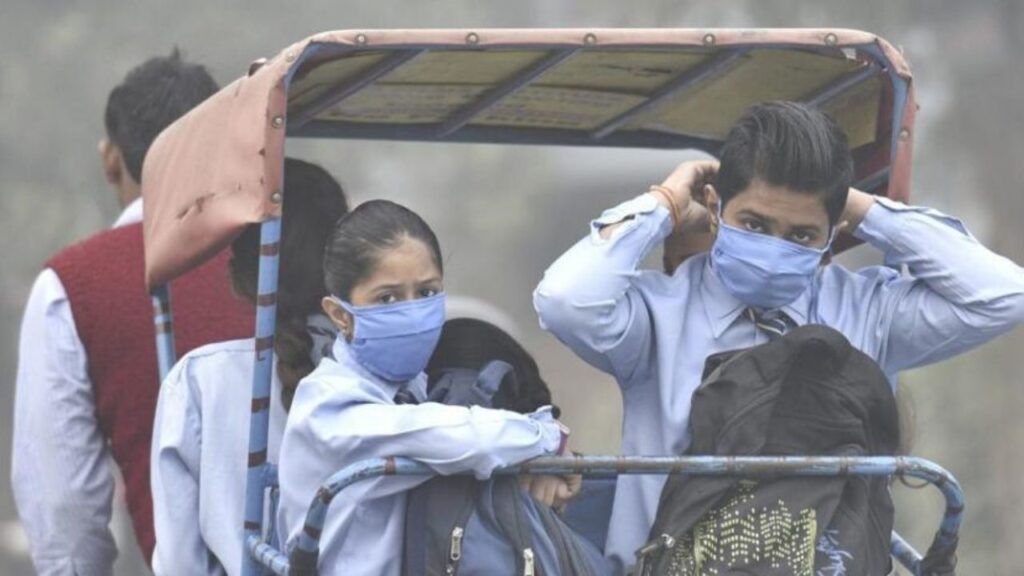
Invisible enemies float through city air, tiny particles that wage a silent war on young lungs.
Tiny Particles, Big Harm: How Air Pollution Threatens Children’s Lungs
Every year, between 12% and 20% of new childhood respiratory diseases—up to 40,000 cases—are thought to stem from air pollution, according to France’s public health agency. PM2.5 particles, tiny enough to reach deep into the lungs and alveoli, come from traffic, combustion of oil or wood, and increasingly from bushfires and dust storms fueled by climate change. Once inhaled, these particles spark inflammation, heighten oxidative stress, and damage mitochondria, the “power plants” of cells, contributing to asthma, COPD, pulmonary fibrosis, and some lung cancers.
Vitamin C Shows Promise in Shielding Lungs from Air Pollution
A study in Environment International explored whether vitamin C, an antioxidant found in fruits like kiwis and citrus, and vegetables like peppers and cabbage, could mitigate these effects. Using both mice and human lung cells, researchers exposed them to low doses of PM2.5, similar to urban levels. The exposure triggered surges in inflammatory cells, higher cytokine levels, oxidative stress, and damaged mitochondria. When vitamin C was introduced, inflammatory markers decreased, natural antioxidant defences rebounded, and mitochondrial structure largely remained intact.
Lead researcher Brian Oliver called the findings “a potential low-cost preventive treatment for a global problem that affects hundreds of millions.” While vitamin C won’t remove pollution, it may act as a protective shield during smog, bushfires, or dust storms. The study used an equivalent of about 1,000 mg per day for humans—well above the recommended allowance but below the 2,000 mg safety limit. Experts caution that such doses should only be taken with medical guidance. Oliver notes, “This study suggests that taking the upper safe limit could help, but always check with your doctor to avoid accidental overdosing.”
While the results are promising, they remain preliminary. Human trials are needed before firm conclusions can be drawn. Ultimately, this discovery offers hope that a simple nutrient may help lungs withstand pollution, but lasting protection will require cutting emissions, creating more breathable cities, and staying alert during pollution peaks.
Vitamin C may offer a gentle shield, but true safety lies in clearing the skies and letting the lungs breathe freely.
Summary
A study in Environment International suggests vitamin C may protect lungs from PM2.5 pollutions. Using mice and human cells, researchers found the antioxidant reduced inflammation, oxidative stress, and mitochondrial damage caused by fine particles. While promising, the study is preliminary, and experts advise medical guidance for high doses. True lung protection still relies on cleaner air and reduced emissions.