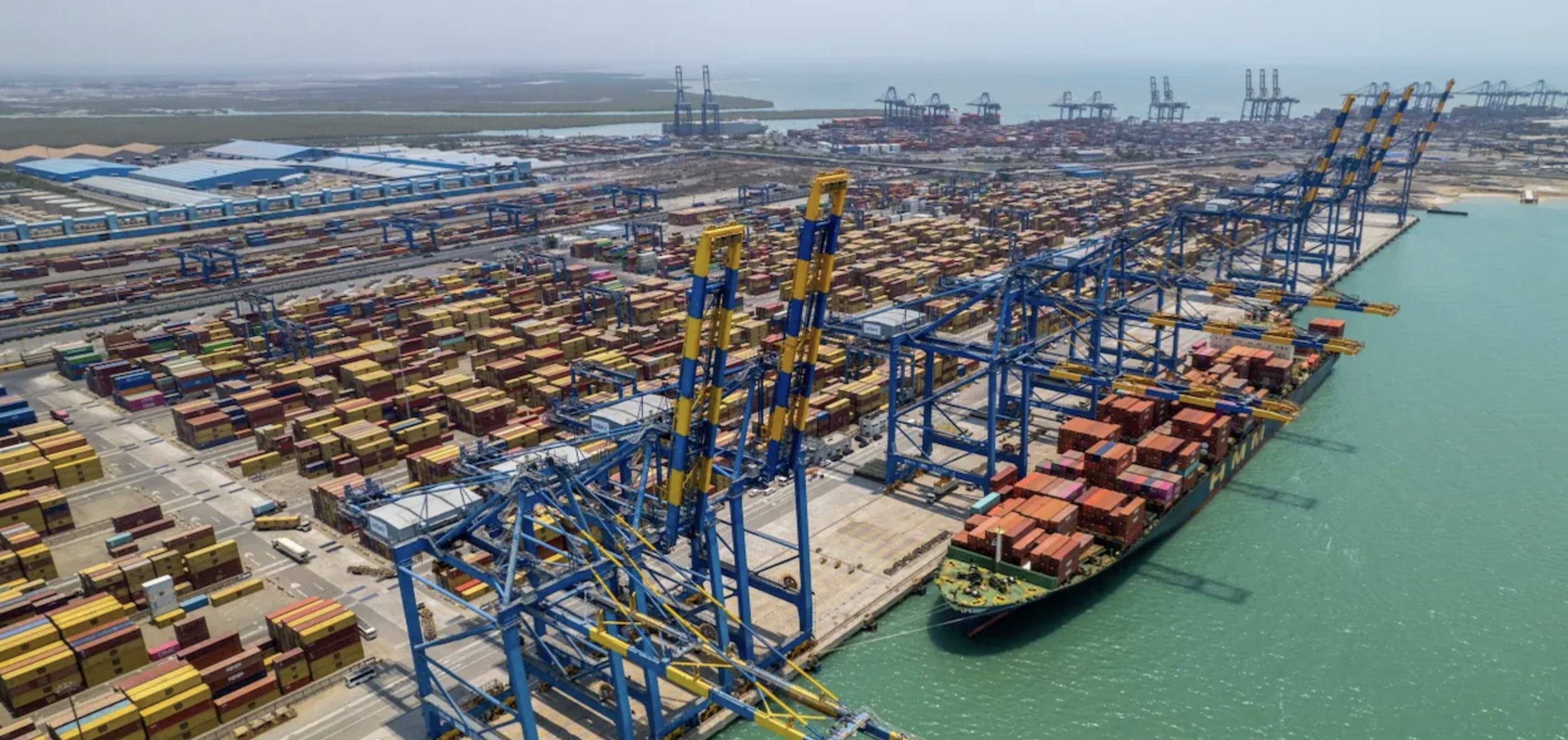
The administration of US President Donald Trump has launched a new trade investigation under Section 301 of the US Trade Act of 1974, targeting 16 major trading partners, including India. The probe aims to examine alleged unfair trade practices and excess industrial capacity that may be harming American manufacturers.
The investigation is being conducted by the Office of the US Trade Representative (USTR) and could lead to the imposition of new tariffs on imports from the targeted countries if violations are confirmed. The move signals a renewed aggressive trade stance by Washington to protect domestic industries.
Countries Under Investigation
The probe covers several major global economies and emerging manufacturing hubs. Countries included in the investigation are India, China, the European Union, Japan, South Korea, Mexico, Taiwan, Vietnam, Thailand, Malaysia, Cambodia, Singapore, Indonesia, Bangladesh, Switzerland, and Norway.
Interestingly, Canada—one of the United States’ largest trading partners—has not been included in the list. US officials say the selected countries were chosen because they reportedly maintain large trade surpluses with the United States or have policies that could contribute to global manufacturing overcapacity.
Why the Investigation Was Launched
The decision comes shortly after a US Supreme Court ruling weakened the legal basis for some of Trump’s earlier tariffs, prompting the administration to explore new legal avenues to maintain pressure on trading partners.
Section 301 investigations allow the US government to examine whether foreign countries engage in unfair trade practices such as subsidies, currency manipulation, or policies that disadvantage American businesses. If such practices are confirmed, the US can impose retaliatory tariffs or trade restrictions.
Possible Impact on Global Trade
Experts say the probe could escalate global trade tensions, especially if new tariffs are introduced. Reports suggest that the investigation could pave the way for fresh tariffs by summer 2026, affecting several sectors including manufacturing, technology, and industrial goods.
For India, the development could have implications for exports to the United States, particularly in sectors such as engineering goods, pharmaceuticals, and electronics. However, trade analysts believe the investigation may also serve as a negotiating tool to push countries toward revising certain trade policies.
What Happens Next
The USTR will conduct detailed investigations and consult industry groups before deciding whether tariffs or other trade measures are necessary. The outcome could significantly influence global trade dynamics and bilateral relations between the US and the affected countries.