As policy gears shift, old prejudices resurface, grinding against lives built across borders.
Visa Rules, Rising Friction
A growing wave of hostility toward Indian professionals and businesses in the United States has followed recent changes to the country’s skilled-worker visa regime, experts told the Financial Times. The backlash has been linked to revisions introduced by the Trump administration in September that reshaped the H-1B visa programme.
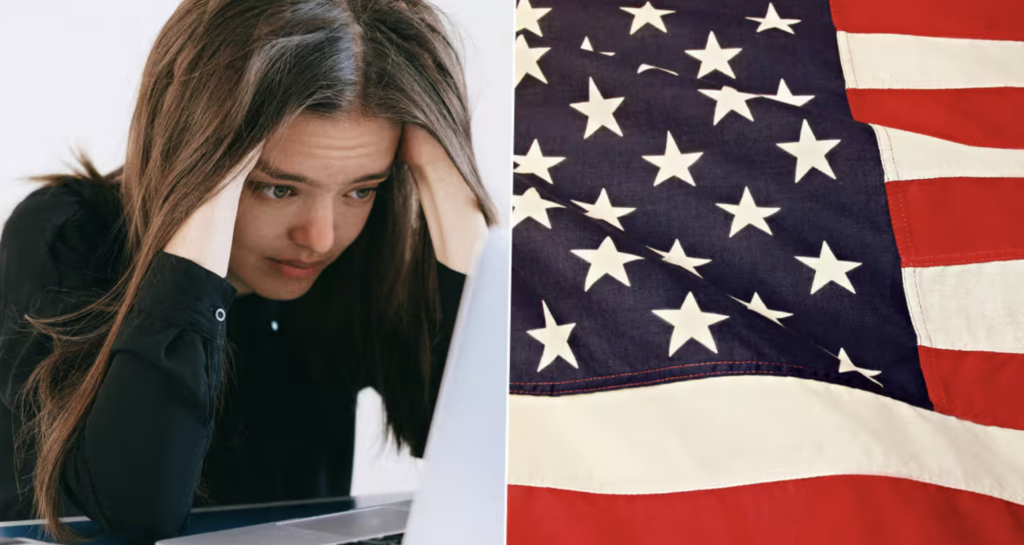
Under the revised framework, applicants now face an application fee of $100,000 and a wage-based selection system that favours higher-paid roles. The administration has defended the changes as necessary to “protect American workers”. From February, the rules are set to tighten further, with US authorities prioritising the highest-paid, Level-IV H-1B applicants, narrowing pathways for many skilled migrants.
As the new system took effect, several large American companies, including FedEx, Walmart and Verizon, became targets of online abuse. Social media users accused the firms of illegally selling jobs to Indian workers. Raqib Naik, executive director of the Center for the Study of Organised Hate, said some of the attacks appear to be coordinated campaigns. He noted that Indian American entrepreneurs who accessed government-backed Small Business Administration loans have been particularly targeted.
Naik warned that discrimination has escalated, with Indians increasingly depicted as “job stealers and visa scammers”.
Online Abuse and Corporate Crossfire
Data underscores the scale of the problem. Research by advocacy group Stop AAPI Hate and counterterrorism firm Moonshot showed that threats of violence against South Asian communities rose by 12 per cent in November last year, while the use of online slurs targeting South Asians surged by 69%.
The spike has coincided with a steady inflow of Indian professionals into the US, as American companies recruit software developers, engineers, doctors and researchers to address domestic labour shortages.
Tensions intensified ahead of Christmas after a video of a damaged FedEx truck went viral. The footage triggered a barrage of online comments aimed at FedEx’s Indian-origin chief executive, Raj Subramaniam. One widely shared post read, “Stop the f****** Indian takeover of our great American companies.” Right-wing commentators, including Gab founder Andrew Torba, accused Subramaniam of replacing white American workers with Indian employees.
FedEx rejected the claims, stating that hiring is based on merit. “For more than 50 years, FedEx has fostered a merit-based culture that creates opportunity for everyone,” the company said, highlighting the diversity of its global workforce.
The backlash has unfolded alongside a rollback of diversity, equity and inclusion initiatives across corporate America, after conservative critics claimed such programmes disadvantaged white Americans. Observers say the combination of immigration curbs, political rhetoric and corporate policy shifts has deepened unease for Indian professionals.
And in this charged climate, ambition travels onward, even as the air around it grows heavier.
Summary
Changes to the US H-1B visa system, including higher fees and wage-based selection, have coincided with rising hostility toward Indian professionals and businesses. Experts report increased online harassment, threats and racial slurs, alongside coordinated attacks on companies and entrepreneurs. The trend is unfolding amid immigration curbs and DEI rollbacks in corporate America.