Uttar Pradesh is gearing up for a major industrial transformation with plans to develop 27 manufacturing clusters along key expressways, aiming to boost investment, create jobs, and strengthen its position as a manufacturing hub.
A Corridor-Based Industrial Strategy
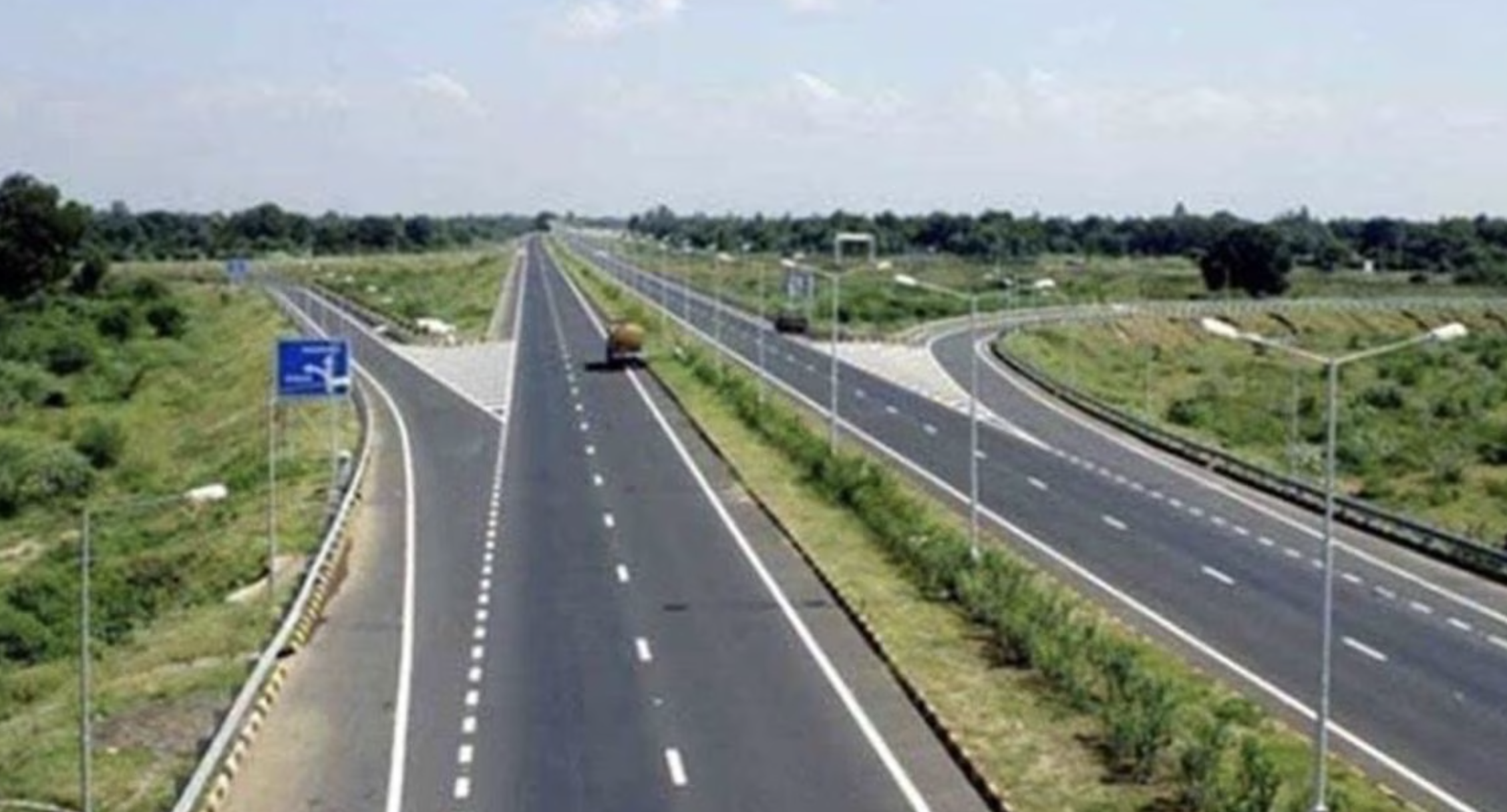
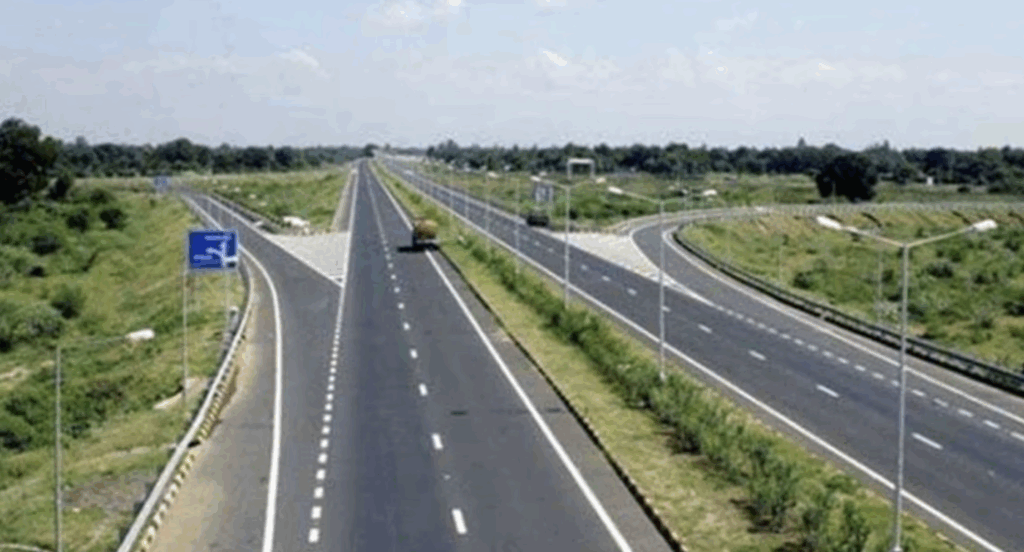
The state government is adopting a corridor-based development model, where industrial clusters will be built along major expressways to improve connectivity and reduce logistics costs.
These clusters, known as Integrated Manufacturing and Logistics Clusters (IMLCs), will be spread across over 12,700 acres in 26 districts.
They will be aligned with five major expressways:
- Purvanchal Expressway
- Bundelkhand Expressway
- Agra-Lucknow Expressway
- Gorakhpur Link Expressway
- Ganga Expressway
This approach ensures industries are directly connected to high-speed transport networks.
12 Clusters in First Phase
Out of the total 27 planned clusters, 12 will be developed in the first phase.
These clusters are being set up across districts such as:
- Meerut
- Sambhal
- Shahjahanpur
- Hardoi
- Unnao
- Firozabad
- Etawah
- Budaun
- Sultanpur
- Amethi
- Ambedkar Nagar
- Hamirpur
The locations were selected based on industry demand and investment interest, including inputs from domestic and global business engagements.
₹500 Crore Approved for Initial Projects
The government has already approved nearly ₹500 crore for two major clusters:
- ₹245 crore for an Integrated Manufacturing Logistic Hub in Sambhal
- ₹213 crore for a cluster in Meerut
Both are being developed along the upcoming Ganga Expressway, highlighting the focus on linking industry with new infrastructure.
Focus on Ready-to-Use Industrial Ecosystems
Unlike traditional industrial zones, these clusters are being designed as plug-and-play ecosystems.
- Around 85% of the required land has already been acquired
- Infrastructure such as 30-metre-wide internal roads, power substations, and utilities is being developed in parallel
This means companies can start operations faster without delays, making the state more attractive for investors.
MSME Integration and Job Creation
A key goal of the project is to integrate Micro, Small, and Medium Enterprises (MSMEs) into larger industrial supply chains.
- Large “anchor” companies will be encouraged to set up units
- Smaller businesses will grow around them, creating an industrial ecosystem
This model is expected to generate jobs, increase incomes, and boost regional economies.
Why Expressways Are Central to the Plan
By placing clusters along expressways, the government aims to:
- Reduce logistics and transportation costs
- Improve supply chain efficiency
- Enable faster movement of goods
This is critical for making Indian manufacturing more competitive globally.
Bigger Picture: UP’s Manufacturing Ambition
This initiative is part of Uttar Pradesh’s larger goal to become a major industrial and economic hub.
- Leveraging its large MSME base
- Attracting domestic and global investment
- Driving long-term economic growth
The expressway-led model reflects a shift toward infrastructure-driven industrialization.