In a surprise economic move, US President Donald Trump has announced a rollback of tariffs on key food imports — including beef, coffee, fruits, and spices — in a bid to ease inflationary pressure and lower grocery costs for American consumers. The decision marks a significant shift in Trump’s trade policy, which has long relied on tariffs to boost domestic manufacturing.
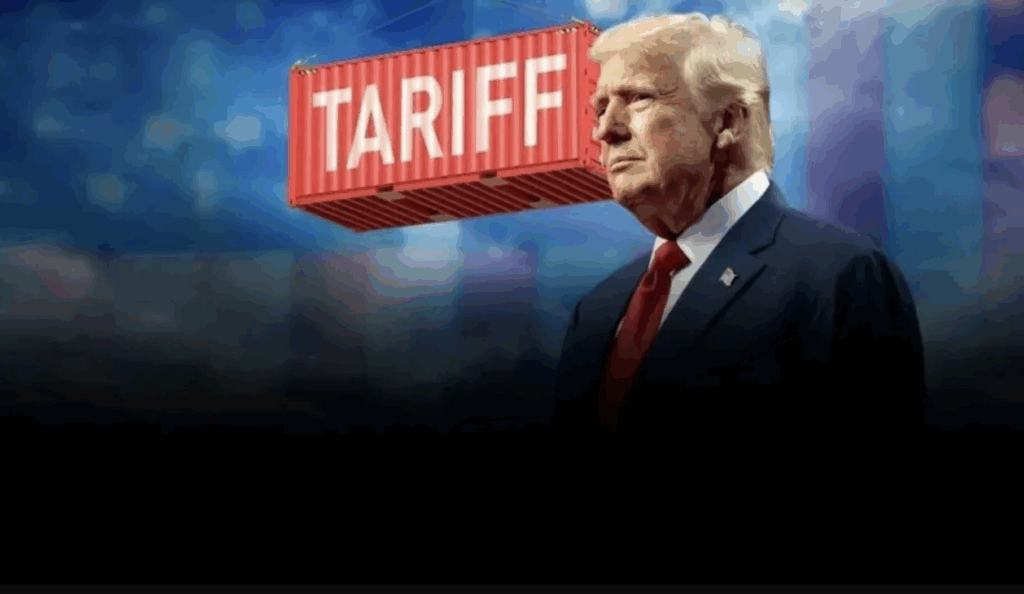
Tariff Rollback Follows Voter Backlash Over Inflation
The announcement came shortly after recent off-year election results, where economic concerns dominated voter sentiment. Trump’s administration has been under mounting criticism as households continue to grapple with high food and living costs.
“We just did a little bit of a rollback on some foods like coffee,” Trump told reporters aboard Air Force One, suggesting the move would directly benefit consumers struggling with grocery bills.
Democrats, however, see the decision differently. Virginia Representative Don Beyer called it “an admission that Trump’s tariff policies have hurt American consumers,” noting that inflation remained stubbornly high despite Trump’s claims of economic stability.
What Will Get Cheaper for Consumers
The new executive order removes tariffs on several imported goods, including:
- Beef, coffee, and tea
- Cocoa and fruit juices
- Bananas, oranges, and tomatoes
- Spices and certain fertilizers
Industry groups have welcomed the move. The Food Industry Association termed it “swift tariff relief,” adding that import taxes were a key factor driving up consumer costs. Many of these items are not produced in the US, meaning tariffs only increased prices without boosting local production.
Trade Diplomacy and Economic Impact
The White House stated that the rollback aligns with new trade agreements with countries such as Ecuador, Argentina, Guatemala, and El Salvador, designed to balance import relief with expanded US export opportunities.
Trump also hinted that tariff revenue could be redirected to fund his proposed $2,000 payments for Americans — possibly by 2026 — or to reduce national debt.
Despite political debate, analysts say the tariff cuts could reduce grocery prices in the short term and calm public frustration over rising living costs, especially as the US heads into the holiday season.