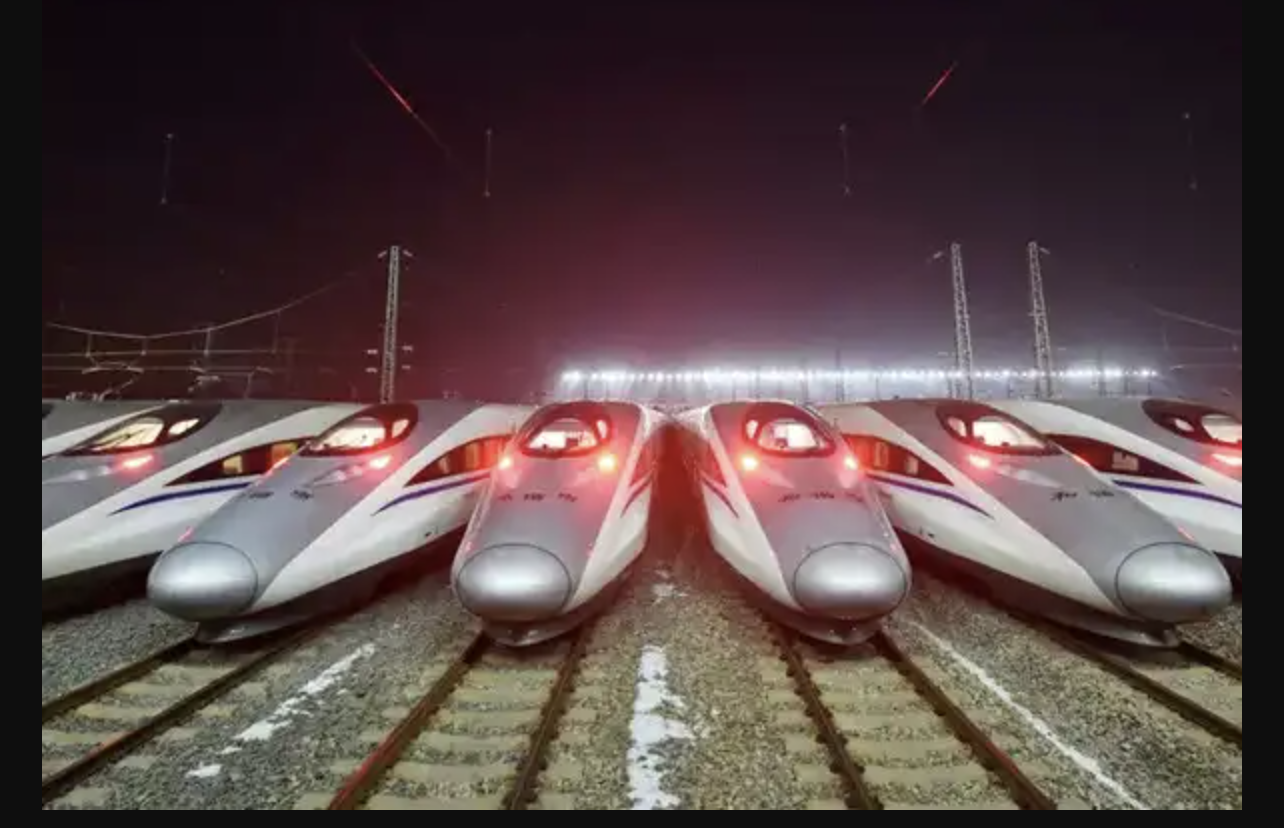
The Shanghai Cooperation Organisation (SCO) summit in Tianjin is set to witness high-stakes diplomacy over the next two days, with two key issues expected to dominate discussions — US President Donald Trump’s tariffs on India and the ongoing war in Ukraine.
According to reports, the White House has urged European nations to adopt sanctions similar to those imposed on India, including halting all oil and gas imports from New Delhi. Washington also wants Europe to impose secondary tariffs on India, mirroring the threats the Trump administration issued if India continued purchasing Russian crude.
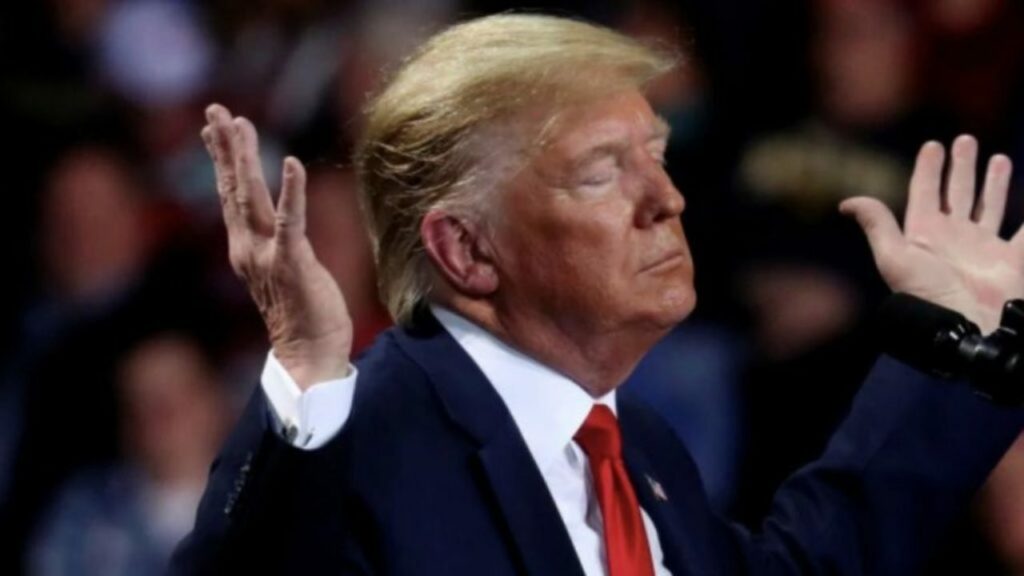
India has strongly objected to the 50% tariffs levied by the US, pointing to what it calls Western “hypocrisy.” New Delhi argues that while China is the largest buyer of Russian oil and Europe has consistently imported energy products from Moscow, only India has been subjected to punitive tariffs.
The US has accused India of “fuelling” Moscow’s war in Ukraine by buying discounted Russian crude, a charge India rejects. Sources say some White House officials believe European leaders are quietly undermining Trump’s efforts to end the war, even while publicly supporting his initiatives since the Trump-Putin Alaska summit.
Interestingly, despite Washington’s hardline stance against New Delhi, most European nations have remained silent, neither openly opposing nor endorsing Trump’s tariff moves. Oval Office insiders claim frustration is growing in Washington over Europe’s reluctance to pressure Kyiv toward realistic concessions, with Trump’s team accusing European leaders of pushing Ukraine toward a “maximalist” stance that prolongs the conflict.
On the sidelines of the summit, Prime Minister Narendra Modi, Chinese President Xi Jinping, and Russian President Vladimir Putin are scheduled to hold bilateral and trilateral talks. These meetings could be crucial in shaping the narrative around both trade tensions and the future course of the Ukraine war.
As global powers converge in Tianjin, the interplay between tariffs, energy security, and geopolitics will likely set the tone for international relations in the coming months.