US President Donald Trump has signed a proclamation imposing a $100,000 fee (₹88 lakh) on H-1B visa applicants, marking one of the most expensive entry barriers in US immigration history. The move is part of Trump’s “America First” policy and aims to ensure only the “most highly skilled” workers are hired.
What is the H-1B Visa?
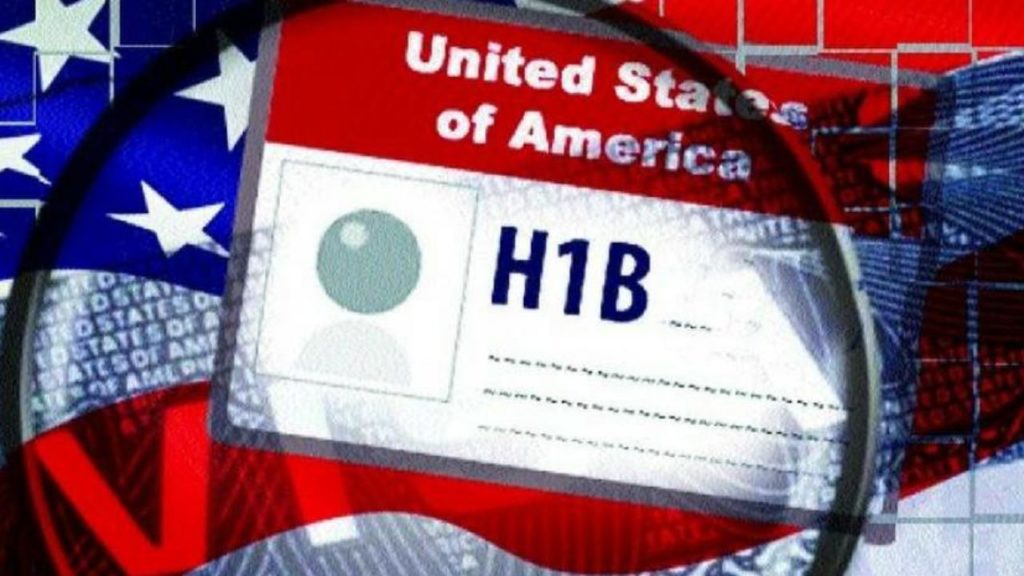
The H-1B visa allows US companies to hire foreign workers in specialized fields like IT, engineering, and medicine. It was created in 1990 to fill skill gaps and is initially valid for three years, extendable up to six. Indians have historically dominated H-1B approvals, accounting for 71% of beneficiaries in 2024, followed by China at 11.7%.
Impact on Indians and Tech Giants
The new fee structure could cripple Indian professionals, who already face long wait times for Green Cards. Each renewal during the wait could cost over ₹88 lakh, pushing many skilled workers out of contention.
Tech giants like Amazon (12,000 H-1B approvals in 2025), Microsoft, and Meta—all heavily reliant on Indian IT talent—are expected to face higher hiring costs, which may also affect project budgets and competitiveness.
The Citizenship Hurdle
Alongside higher visa fees, Trump has reinstated a stricter citizenship test that requires applicants to answer 12 of 20 oral questions from a 128-question pool on US civics and history. This could further delay the path to permanent residency for many foreign workers.
Trump’s ‘Gold Card’ Visa Program
In contrast, Trump also announced a ‘Gold Card’ visa program with fees of $1 million for individuals and $2 million for businesses, aimed at attracting “extraordinary” entrepreneurs and innovators who can generate jobs in the US. Officials argue this will raise billions and prevent the inflow of “low-wage workers” under the existing system.
What Lies Ahead?
For Indian professionals, these sweeping changes spell a more expensive and uncertain road to the American dream. With H-1B visas forming the backbone of Indian participation in the US tech industry, the new policies could reshape global talent flows and push companies to diversify hiring beyond the US.