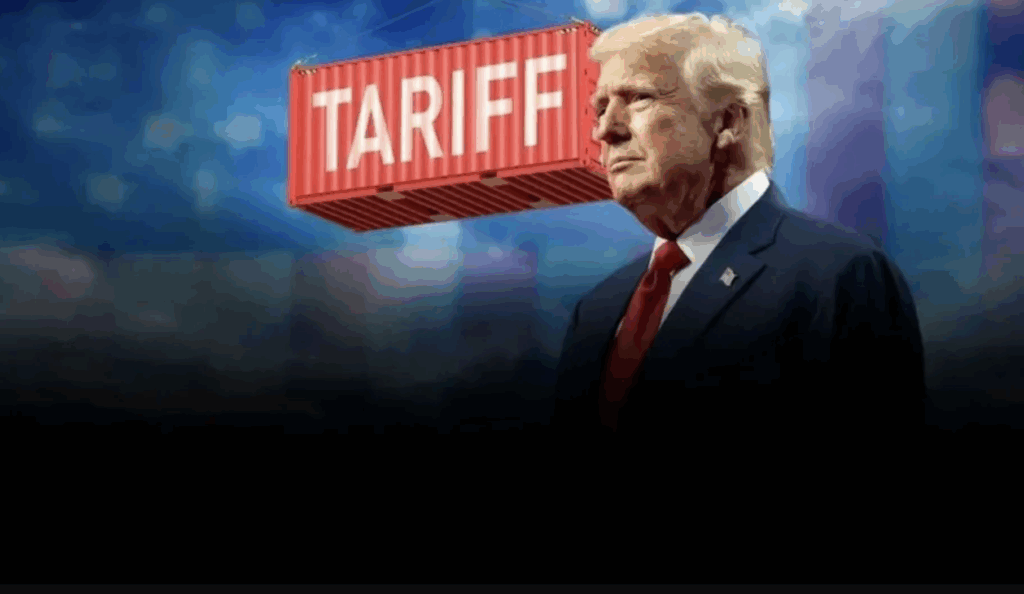
In a major trade policy shift, US President Donald Trump announced a 100% tariff on branded and patented pharmaceutical imports starting October 1. The tariffs aim to push companies to build manufacturing plants within the US, defined as projects “breaking ground” or “under construction.” America imported $233 billion worth of pharma products in 2024, and doubling prices could heavily impact healthcare costs.
Why India Is Vulnerable
India, often called the “Pharmacy of the World,” accounts for 20% of global generic supply and 60% of vaccines. With 31% of its $30 billion exports headed to the US, the country’s pharmaceutical sector is deeply tied to the American market. Companies like Sun Pharma, Lupin, and Dr Reddy’s supply affordable generics — nine out of ten US prescriptions rely on such low-cost medicines.
Industry Warns of Supply Disruptions
Indian exporters fear the tariffs could disrupt drug supplies, especially for essential medicines treating chronic conditions. They warn that US patients may suffer from shortages, as replacing Indian supply chains could take up to five years. Industry experts also caution that the US might become more dependent on China for medicines, raising national security concerns.
Resilience and New Opportunities
Despite the risks, Indian pharma leaders see potential silver linings. Companies are accelerating diversification into new markets, boosting R&D investment, and seeking fresh partnerships. Some believe the tariffs could spur India’s self-reliance and innovation in the pharmaceutical space, even as they challenge existing trade dynamics.