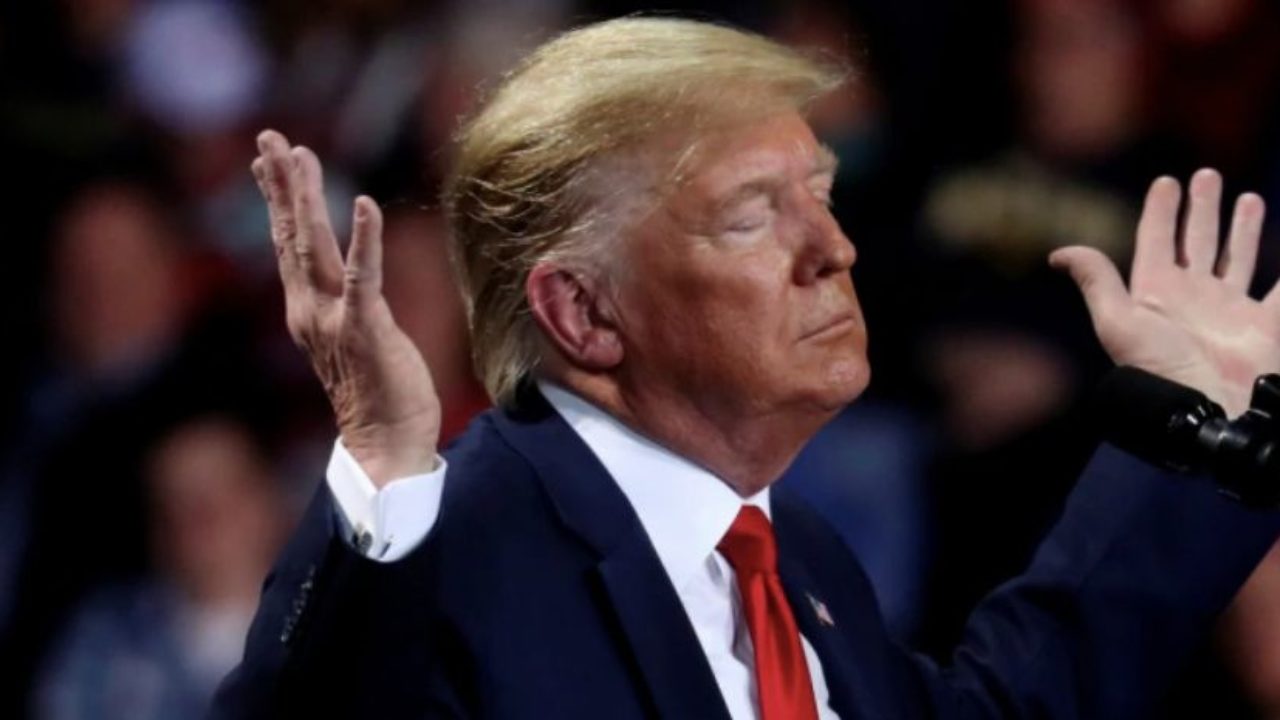
In a major escalation of trade policy, US President Donald Trump has announced up to 100% tariffs on certain foreign-made pharmaceutical drugs, along with changes to metal import duties. The move is part of a broader strategy to cut drug prices and boost domestic manufacturing in the US.
100% Tariff on Imported Drugs
The headline decision is clear:
- The US will impose 100% tariffs on patented or branded drugs imported from abroad
- This applies mainly to companies that do not lower prices or manufacture in the US
The policy is designed to pressure global pharmaceutical companies to:
- Reduce drug prices in the US
- Shift production to American facilities
Companies that refuse to comply could face double the cost on imports, making foreign drugs significantly more expensive.
How Companies Can Avoid the Tariff
The policy is not uniform—there are escape routes:
- Companies can avoid tariffs by joining a “most favored nation” pricing program
- Or by building manufacturing plants in the US
In some cases:
- Firms investing in US manufacturing may face a lower temporary tariff (~20%) before full compliance
- Some countries with trade agreements (like the UK or EU) may face lower tariff rates (10–15%)
Not All Drugs Are Affected
The tariffs mainly target high-value patented drugs.
Exemptions include:
- Generic medicines
- Certain essential or specialty drugs
- Companies that already signed pricing agreements
This means the impact will be uneven across the pharmaceutical industry.
Changes to Metal Tariffs
Alongside drug tariffs, the US has also restructured tariffs on metals:
- Many steel, aluminium, and copper products now face ~25% tariffs on full product value
- Core metal commodities may still face up to 50% tariffs
- Some low-metal-content goods are exempt or taxed at lower rates
The goal is to:
- Simplify tariff calculations
- Prevent under-reporting
- Support domestic metal industries
Why the US Is Doing This
The strategy is driven by three key goals:
1. Lower Drug Prices
The US has some of the highest drug prices globally. The government is forcing companies to align prices with other countries.
2. Boost Domestic Manufacturing
Encouraging pharma and industrial companies to shift production to the US.
3. Reduce Dependence on Imports
Particularly in critical sectors like healthcare and metals.
Global Impact and Concerns
The move has sparked strong reactions:
- Pharmaceutical companies warn of supply disruptions and higher costs
- Trade partners may respond with retaliatory tariffs
- Economists say tariffs often lead to higher prices for consumers despite government claims
This could also affect countries like India, which are major exporters of pharmaceutical products.
Bigger Picture: A New Phase of Trade War
This decision signals a shift toward more aggressive, targeted trade policies:
- From broad tariffs → sector-specific pressure (pharma, metals)
- From global trade → domestic manufacturing push
It also comes after earlier tariff policies faced legal challenges in US courts, forcing the administration to redesign its approach.