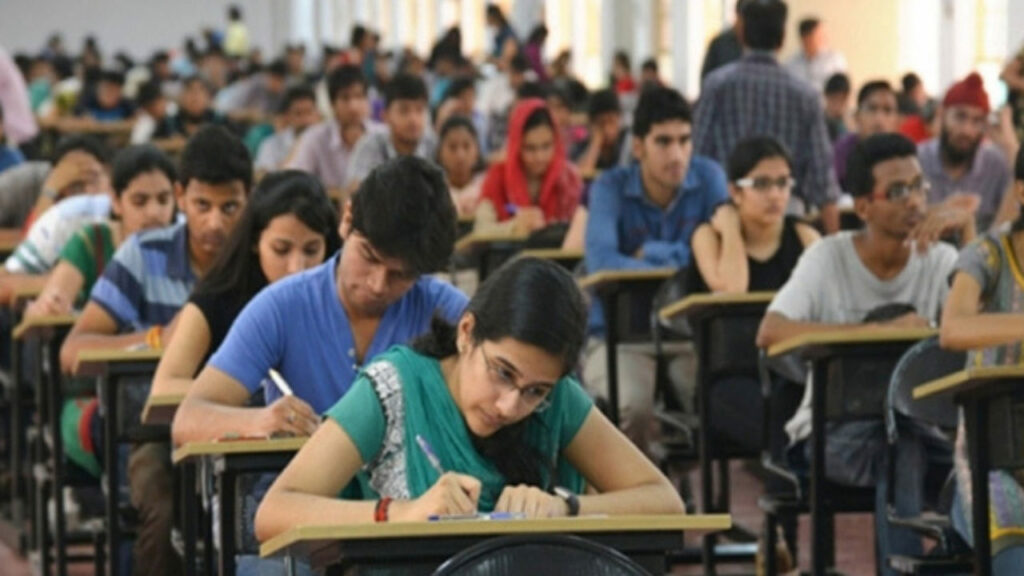
In a landmark decision, the U.S. Department of Homeland Security (DHS) has revoked Harvard University’s SEVP certification, stripping it of the authority to enroll international students beginning in the 2025–26 academic year. This impacts nearly 6,800 global students, including 788 Indians currently studying at Harvard.
Why This Happened
According to DHS Secretary Kristi Noem, Harvard failed to provide disciplinary and protest-related records requested by federal authorities. The university was accused of fostering an environment hostile to Jewish students and promoting pro-Hamas and DEI-driven ideologies — leading to the revocation of its SEVP status.
Immediate Impact on Students
Students graduating this semester can proceed as planned. However, others must transfer to a SEVP-certified institution or risk falling out of legal visa status. Harvard has 72 hours to submit key records if it wants to appeal the decision and regain certification.
Harvard’s Response: Legal Fight Begins
Calling the move “unlawful and disruptive,” Harvard has vowed to fight back in court. The university emphasized that it is working to provide support and guidance to impacted students while challenging the government’s decision legally.
Political Undercurrent: Trump vs Harvard
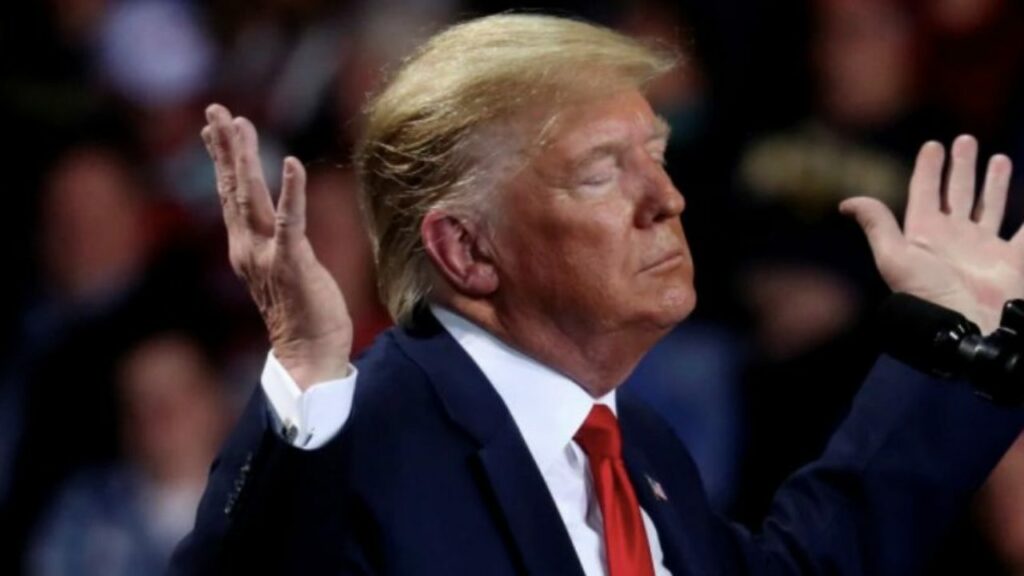
This marks the latest escalation in the Trump administration’s ongoing conflict with Harvard. The university recently refused to implement federal directives curbing campus protests and DEI initiatives. Since April, over $2.6 billion in federal research funding has been frozen, and Trump has threatened to revoke Harvard’s tax-exempt status.
First-of-Its-Kind Action
While SEVP decertifications are typically based on administrative reasons like accreditation, this is the first major instance linked to campus culture and political dissent. DHS has hinted that more universities could face similar action if they don’t align with federal standards.
Broader Economic & Academic Fallout
Massachusetts, which benefits heavily from international students through tuition and economic contributions, could also face ripple effects. Many foreign students remain in the state post-graduation, contributing to healthcare and tech innovation sectors.
The Bottom Line
This action is unprecedented in scope and motive. As Harvard prepares for a long legal battle, thousands of international students face uncertainty about their academic future in the U.S., spotlighting the collision of immigration enforcement, campus governance, and political ideology.