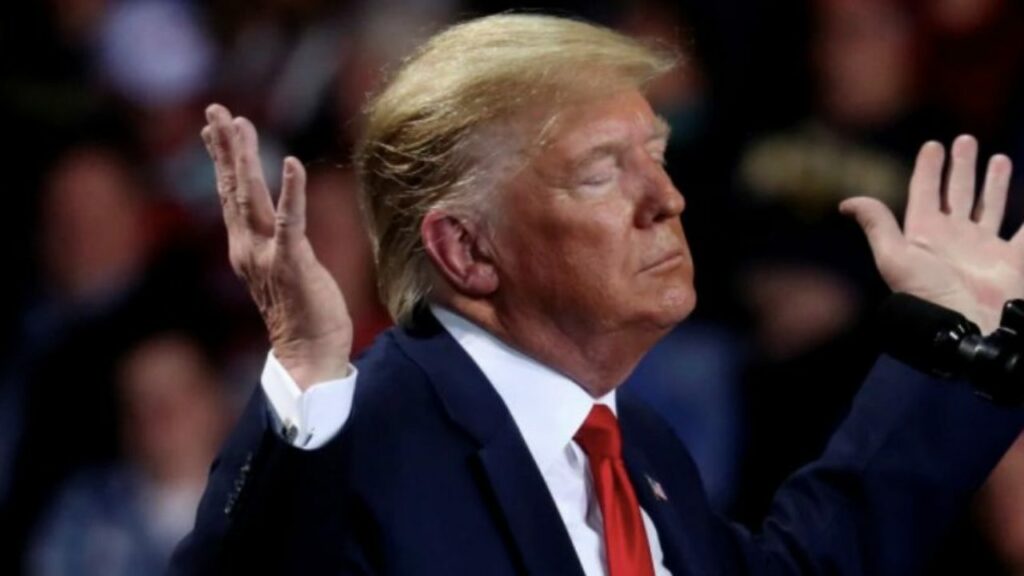
At a recent AI Summit in Washington, former U.S. President Donald Trump sent a strong message to technology companies like Google and Microsoft. He criticized their “globalist mindset,” urging them to halt overseas hiring—particularly in India—and reinvest in American talent. “We want you to put America first,” Trump declared, positioning himself as a defender of domestic jobs in the evolving AI economy.
Executive Orders That Aim to Reshape AI Policy
Trump signed three key executive orders during the summit.
- “Winning the Race” Plan: This directive fast-tracks the construction of AI infrastructure, such as data centers, aiming to position the U.S. as a global AI leader.
- Ban on ‘Woke’ AI: Trump mandated that federally funded AI tools must be politically neutral, claiming the previous administration’s diversity policies hindered AI progress.
- Boosting AI Exports: The third order promotes the export of American-made AI products and encourages full-stack AI development within the U.S.
These policies indicate a sharp shift toward AI nationalism—rewarding companies that prioritize U.S.-based operations and talent.
Impact on Indian IT and Outsourcing
India’s $245 billion IT industry, which heavily services U.S.-based clients, may face fresh headwinds. If U.S. tech firms are pressured to reduce offshore hiring, Indian software engineers and outsourcing companies could see a decline in demand.
Indian professionals on H-1B visas—already under scrutiny during Trump’s previous term—could once again be caught in the crossfire of protectionist policies.
Shifting the Global Tech Equation
Trump’s rhetoric and policy approach underscore a broader trend of deglobalization in tech. While aimed at boosting U.S. self-reliance, these moves could fragment global innovation networks and affect collaboration between nations like India and the U.S.—two key players in tech and AI. For Indian IT and tech talent, this is a moment of uncertainty that demands close watch as the 2024 U.S. elections approach.