Former US President Donald Trump has announced new reciprocal tariffs, claiming that India imposes some of the highest trade duties in the world. The move, which aligns with his long-standing trade policies, aims to counterbalance tariffs imposed on American goods by other nations.
What Did Trump Say?
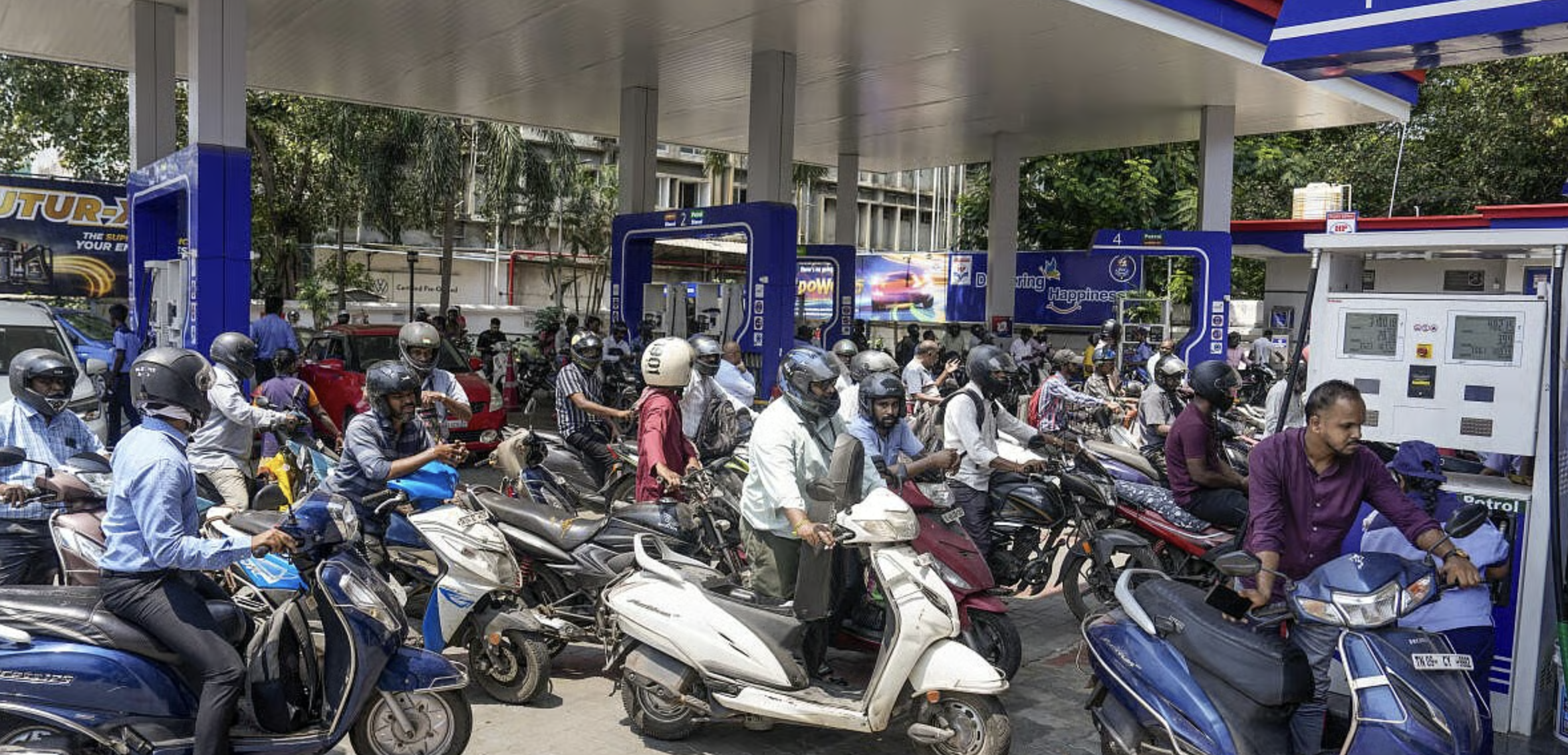
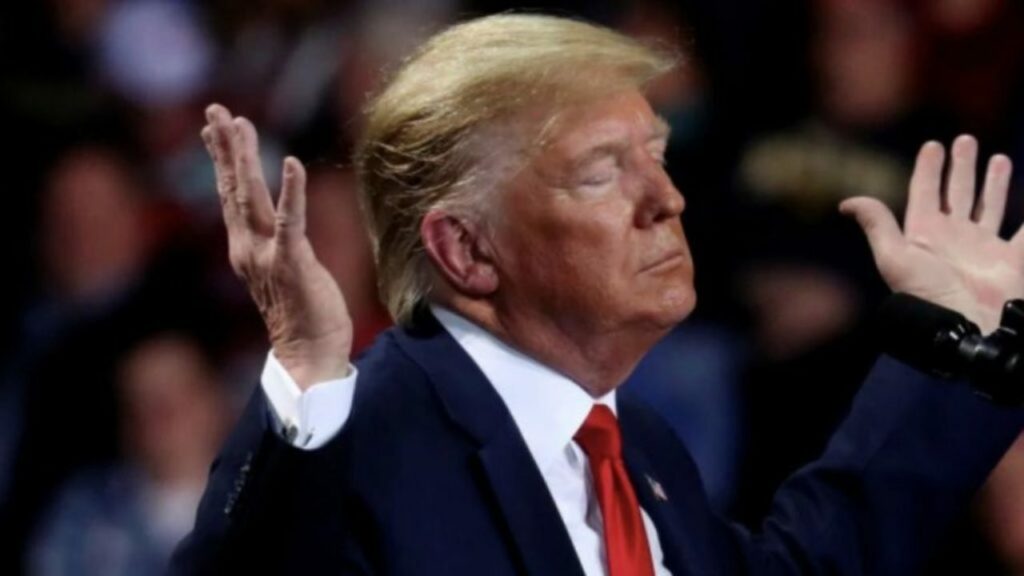
Speaking at the Oval Office while signing an executive order on reciprocal tariffs, Trump stated, “India charges tremendous tariffs. I remember when Harley Davidson couldn’t sell their motorbikes in India because the tax was so high. They were forced to build a factory there.”
He emphasized that the new tariffs would apply universally, with no exceptions—even for US allies. Trump further remarked that many friendly nations had imposed harsher trade barriers than US adversaries, warranting a stronger response.
How Will It Work?
Under the reciprocal tariff model, if India imposes a 25% duty on American automobiles, the US will introduce an equivalent 25% tariff on Indian auto imports. The policy extends beyond vehicles to medical devices, semiconductor chips, and other key trade sectors.
Economic and Political Implications
The decision could impact several industries and lead to retaliatory tariffs from affected nations, potentially igniting new trade disputes. Nomura analysts warn that while the move is aimed at fairness, it could trigger price hikes in the US and create economic uncertainty for businesses and consumers.
Trump acknowledged that tariffs could increase US prices but expressed confidence that they would ultimately ease with new trade negotiations.
Possible Consequences
- Inflation Risks: Higher import tariffs could raise consumer prices on Indian goods in the US.
- Trade Retaliation: India and other affected countries might impose countermeasures, affecting US exports.
- Bilateral Relations: The move could strain diplomatic ties between India and the US, especially ahead of Trump’s meeting with Prime Minister Narendra Modi.
- Policy Influence: Tariffs remain Trump’s favored bargaining tool to push other nations into trade negotiations.
Conclusion
Trump’s “eye for an eye” approach to tariffs marks another chapter in US-India trade relations. While aimed at fairness, the decision could disrupt global supply chains and add pressure on businesses operating across both economies. With trade talks expected soon, all eyes are on how India responds to the latest US tariff escalation.