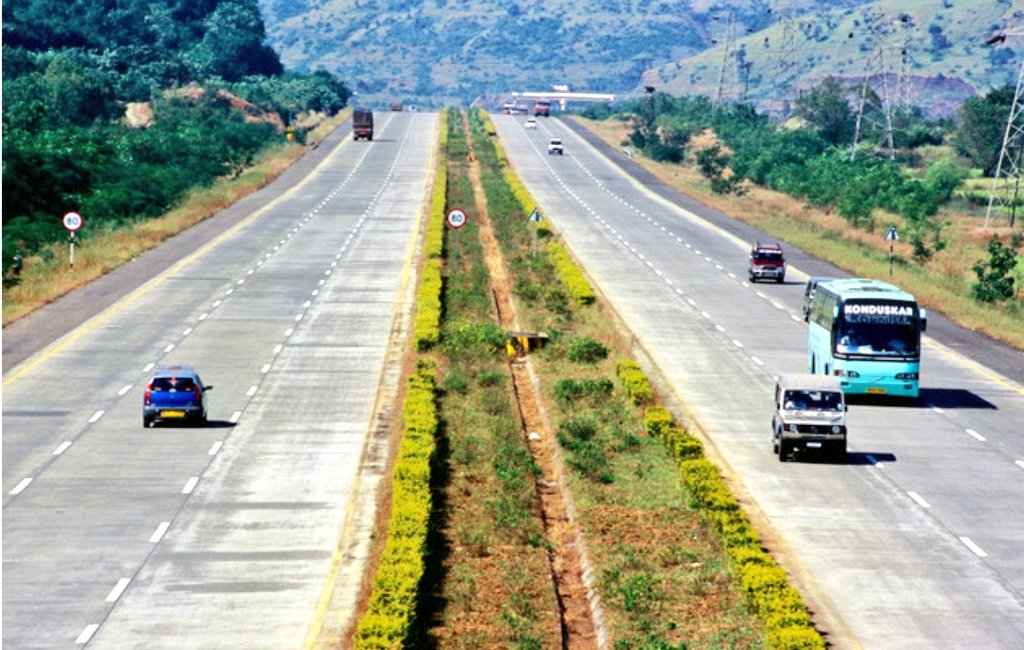
In India, freight transport — especially heavy and medium-duty trucks — contributes disproportionately to the country’s greenhouse gas emissions. Although trucks make up just about 3% of all vehicles on the roads, they are responsible for a significant share of transport emissions, including carbon and particulate pollutants that accelerate climate change.

According to a new report by the Smart Freight Centre (SFC) India, TERI and IIM-Bangalore, freight demand in India is expected to nearly triple by 2030–31, while emissions from road freight could rise sharply as well — a troubling trend for climate targets and environmental health. Without strategic action, freight emissions will continue to escalate, undermining efforts to mitigate global warming and improve air quality.
Why Freight Emissions Matter More Than They Appear
The core issue lies in how freight moves across the country. Road freight — dominated by diesel-powered heavy trucks — currently accounts for the majority of logistics transport. As India’s economy expands, infrastructure projects, e-commerce growth and industrial output are driving higher consumption of freight transport services. Without clean alternatives, this results in a disproportionate rise in emissions even though trucks are a small share of the total vehicle fleet.
This rising emissions trend not only contributes to climate change but also threatens public health by worsening urban air quality. Diesel trucks emit particulate matter (PM) and nitrogen oxides (NOx), key pollutants linked to respiratory diseases, cardiovascular issues and environmental degradation.
A National Framework for Solutions
To address this challenge, the report highlights the need for a comprehensive national roadmap to manage and reduce freight emissions. A critical first step is developing a standardised freight emissions accounting framework aligned with international standards like ISO 14083 and the Global Logistics Emissions Council (GLEC) framework. This would help companies, policymakers and regulators accurately measure emissions, track improvements and create benchmarks for reducing carbon footprints.
Such a harmonised approach would enable India to implement efficient clean freight programs, policy interventions and incentive mechanisms that prioritise low-carbon transport technologies. Adopting electric freight vehicles, enhancing rail freight share, optimising logistics, and investing in cleaner fuels are among the long-term strategies needed to decarbonise the sector and support India’s net-zero goals.
The Road Ahead: Balancing Growth and Sustainability
While freight is fundamental to economic growth, unchecked emissions could compromise India’s climate commitments. A strong institutional framework, supported by robust policy measures and industry cooperation, is essential to reduce emissions without slowing economic activities. Prioritising cleaner freight transport solutions will be key to aligning India’s logistics growth with its climate resilience and sustainability goals.