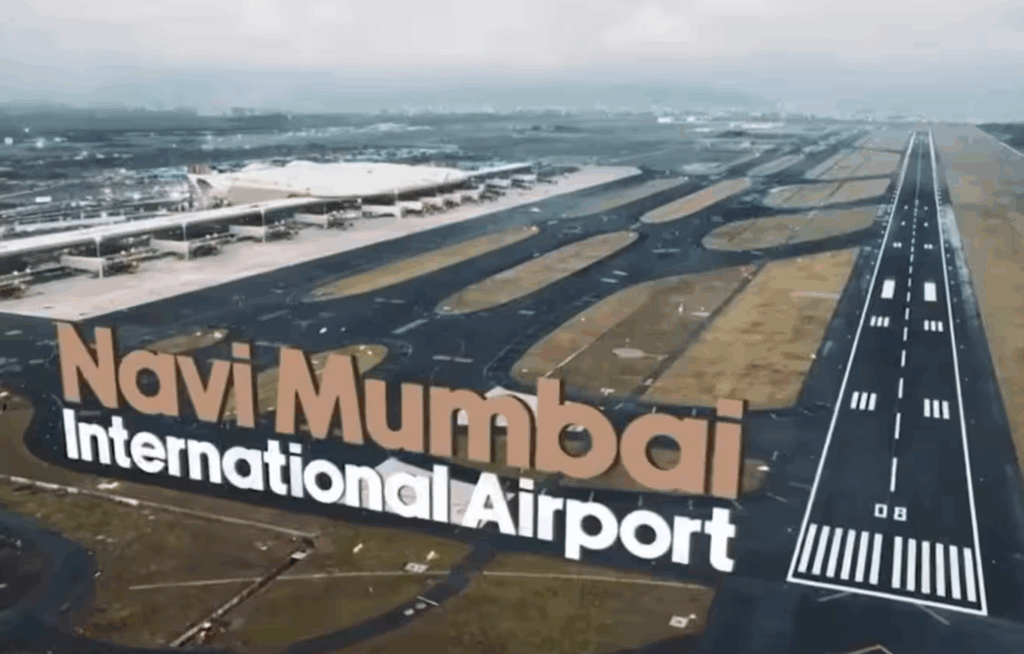
India’s telecom regulator, the Telecom Regulatory Authority of India (TRAI), is examining a dispute involving major telecom operators and the newly opened Navi Mumbai International Airport regarding pricing and access for mobile network deployment at the airport. The inquiry reflects broader concerns about connectivity, fair pricing, and infrastructure access at critical public facilities.
What Triggered the Probe
Industry body Cellular Operators Association of India (COAI) approached TRAI seeking regulatory intervention after facing challenges in deploying network equipment around the airport. Operators allege that the costs and conditions associated with establishing mobile coverage — particularly in-building solutions (IBS) — are unclear, non-transparent, or potentially disproportionate. COAI’s letter to TRAI raised multiple issues, including right-of-way permissions and pricing concerns, prompting the regulator to seek details on past agreements and pricing structures.
Core Issues in the Dispute
Rights of Way and Access
Telecom firms argue they have encountered difficulties securing rights-of-way (RoW) and access permissions needed to install their own infrastructure. Operators believe that airports qualify as public entities under telecom regulations and should grant licensed telecom service providers access on a non-discriminatory basis.
Pricing and Monopoly Concerns
The airport and its affiliates currently offer a centralized network solution managed by a third party. COAI claims this forces operators to accept infrastructure arrangements and pricing terms that may exceed actual cost-based metrics. According to industry sources, some carriers reported charges running into tens of lakhs per month per operator, which they say do not align with infrastructure costs.
Connectivity Problems Reported by Passengers
Separate reports note that travellers experienced limited mobile connectivity at the new airport soon after its December opening, highlighting the practical implications of the ongoing dispute over infrastructure deployment and pricing.
TRAI’s Approach and Next Steps
TRAI has formally requested COAI provide documentation and details about historical pricing arrangements for setting up telecom networks in similar contexts. The regulator intends to study these agreements before determining whether to issue directives, recommend pricing ceilings, or clarify right-of-way obligations for public facilities like airports.
According to TRAI officials, the regulator can act based on industry references without needing a specific government directive, potentially accelerating its review process.
Why This Matters
Mobile connectivity in public transportation hubs like international airports is critical for passengers, security systems, operations, and airport services. Disputes over pricing and access can lead to gaps in coverage, customer frustration, and real-world complaints — as was reported by travellers at the Navi Mumbai airport shortly after its commercial launch.
The case also highlights a broader regulatory question about how shared or neutral host infrastructure should be priced and governed when multiple telecom operators rely on access to serve end users efficiently.
Conclusion
As TRAI reviews the COAI’s submission and pricing practices, stakeholders will be watching for regulatory guidance that could set precedents for how telecom infrastructure access and pricing are handled at major public venues. A balanced resolution could improve connectivity for travellers and clarify the rights and obligations of telecom operators and infrastructure hosts.