Union Minister for Road Transport and Highways Nitin Gadkari has announced a major shift in India’s highway travel experience: the end of physical toll booths within a year. In their place, a seamless electronic toll collection (ETC) system will take over, eliminating congestion and long queues at toll plazas.
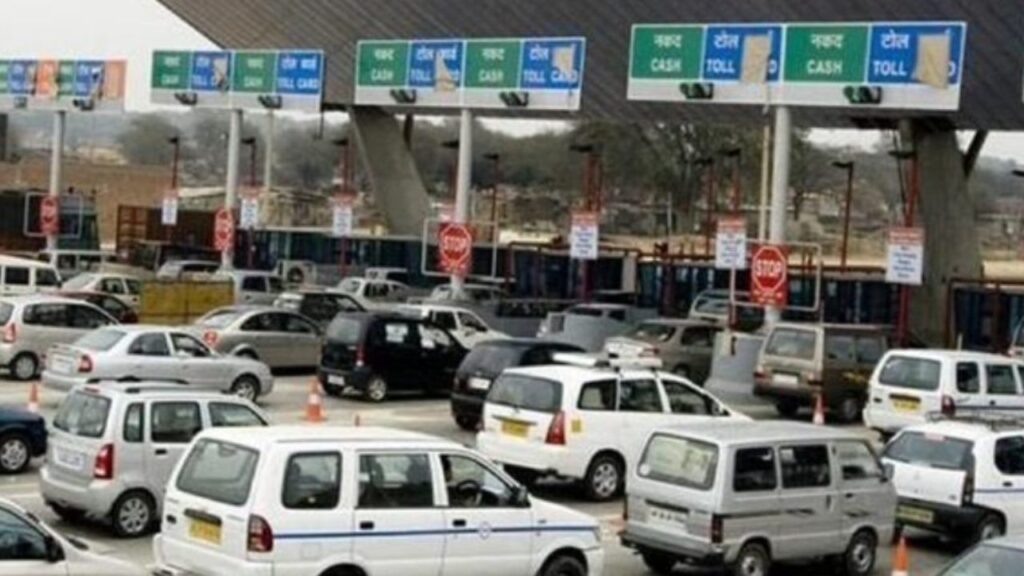
The minister made the announcement during Question Hour in the Lok Sabha, revealing that the new system is already being tested in ten locations and will soon be implemented nationwide.
Goodbye Toll Booths, Hello Seamless Highways
Gadkari said that India is moving toward a system where no vehicle will be stopped for toll collection.
“This toll system will end… Within a year, an electronic toll collection will be implemented across the country,”
—Nitin Gadkari, Union Minister
This transition is expected to dramatically reduce wait times, fuel wastage, and traffic congestion, especially at busy highway stretches.
The Technology Behind India’s New Tolling System
The transformation is being powered by the National Electronic Toll Collection (NETC) program developed by the National Payments Corporation of India (NPCI).
FASTag at the Core
The NETC system uses FASTag, an RFID-based sticker placed on a vehicle’s windshield. It automatically deducts toll charges from the user’s linked bank account as the vehicle passes through a toll lane—without any need to stop.
While FASTag is already in use nationwide, the new system will:
- Eliminate physical plazas
- Rely on GPS-based tolling and ANPR cameras
- Charge vehicles based on distance travelled, not just toll-point crossings
This marks a shift toward global best practices in highway management.
A Massive Infrastructure Push
Gadkari also shared that 4,500 highway projects worth ₹10 lakh crore are underway across India. These include expressways, greenfield corridors, and multi-lane national highways designed to boost logistics, regional connectivity, and economic development.
Removing physical toll barriers will further speed up freight movement and improve travel efficiency.
What This Means for Road Users
The new system promises:
- Zero stoppage travel
- Reduced congestion at plazas
- Lower fuel consumption
- Efficient toll collection with minimal leakage
- Integration with future GPS-based tolling models
Once fully implemented, India will join countries like the U.S., Singapore, and several European nations that rely entirely on electronic tolling.