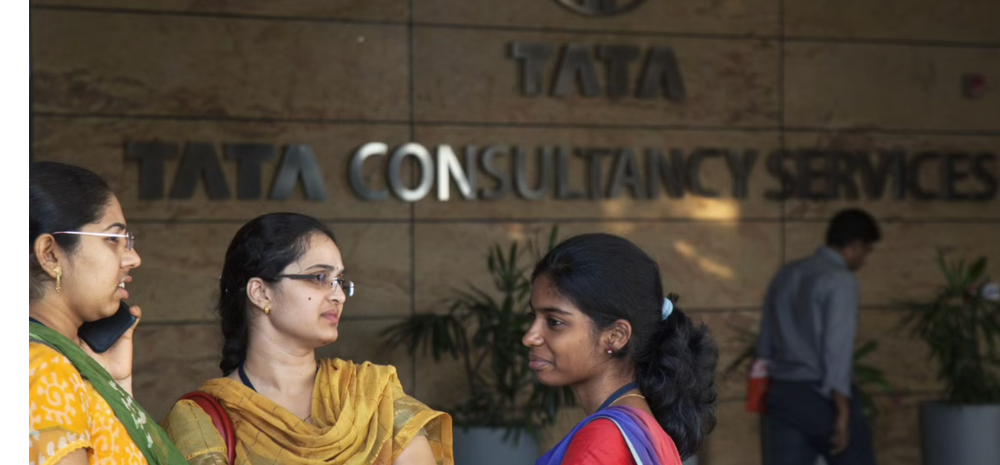
India’s largest IT services company, Tata Consultancy Services (TCS), has initiated a series of major workforce changes—halting salary hikes, freezing lateral hiring, enforcing bench cleanup, and laying off 12,000 employees. These moves mark one of the most significant restructuring exercises in the company’s history, sending ripples across the Indian IT industry.
Hiring Freeze and Delayed Onboarding Raise Concerns
According to reports, TCS has frozen senior-level hiring and put a hold on salary increments globally. Simultaneously, onboarding for experienced professionals has been delayed by over 65 days, with hundreds of hires left in limbo.
Adding to the pressure, TCS has introduced a strict 35-day bench policy, which mandates unallocated employees to find new projects within that timeframe or face termination. This has already impacted workers in Hyderabad, Pune, Chennai, and Kolkata, creating uncertainty among mid-level professionals.
Layoffs Prompt Union Complaints and Govt Inquiry
TCS’s decision to lay off 12,000 employees, or 2% of its workforce, has triggered intense debate. The Nascent Information Technology Employees Senate (NITES) has called the layoffs “illegal” and approached the Labour Ministry, marking its third complaint against TCS this year.
Earlier, NITES had raised concerns about onboarding delays and the 35-day bench policy, demanding clarity and compensation for affected employees. In response, the Union Government has reportedly asked TCS to provide an explanation regarding the mass terminations.
TCS Stock Performance Shows Investor Sentiment
As of July 29, 2025, TCS shares were trading at ₹3,049, down 0.98% from the previous day’s close. Over the past month, the stock has fallen by 11.93%, reflecting investor anxiety amid uncertain demand, restructuring, and evolving tech disruptions like AI and automation.
Conclusion: A Sign of Broader Industry Shift
The changes at TCS are not isolated—they mirror a broader shift within the IT sector. As companies realign operations to stay competitive in a productivity-focused, AI-driven global economy, workforce restructuring could become the norm.
This evolving dynamic may compel Indian IT giants to rethink hiring, training, and retention to future-proof themselves against rapid technological change.