The Trump administration has introduced a major new H-1B visa rule that has disrupted the US job market and made global employers reconsider their hiring strategies.
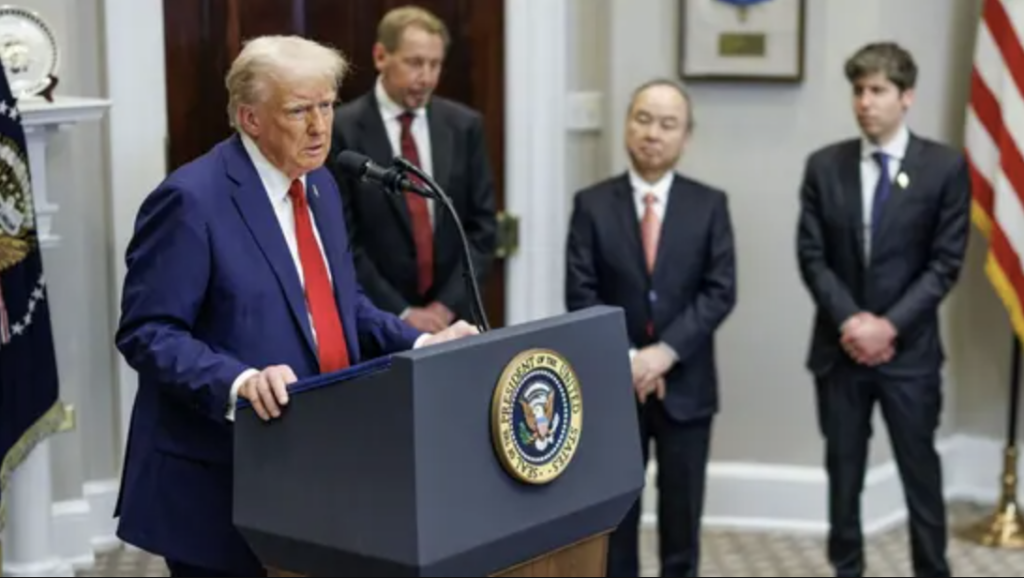
The new policy requires companies to pay a $100,000 fee for each new H-1B visa application, which the White House claims will help prevent misuse of the visa system and prioritize hiring American workers.
Major Companies Halt or Scale Back H-1B Hiring Amid New Visa Policy
Major employers such as Cognizant, TCS, Intuitive Surgical, and Walmart have paused or reduced their H-1B hiring as a result of the policy.
The US Chamber of Commerce has filed a lawsuit arguing that the policy is “cost-prohibitive for employers, especially startups and midsize businesses.”
Cognizant was among the first companies to react, changing its job listings to state that candidates must be “legally authorised to work in the United States without the need for employer sponsorship.”
Cognizant
A Cognizant representative told Newsweek that the rule would have a “limited near-term impact” because of the company’s “scale and global footprint.”
Tata Consultancy Services (TCS) has announced that it will completely stop hiring through the H-1B programme.
TCS
TCS CEO K. Krithivasan said the company has “significantly localised its US workforce” and will continue adapting by hiring more locally.
TCS Chief HR Officer Sudeep Kunnumal added, “Our business model is flexible enough to handle these shifts,” and stated that localisation will strengthen client relationships.
Intuitive Surgical
Intuitive Surgical, a California-based medical technology company, has also paused all H-1B sponsorships due to “uncertainty caused by the recent US executive proclamation.”
Over 100 of Intuitive Surgical’s job listings now carry a disclaimer: “Due to the uncertainty caused by the recent US executive proclamation, we are temporarily pausing offers to candidates who require H-1B visa sponsorship.”
Walmart
Walmart, which employs over 2,400 H-1B workers, confirmed it is being “thoughtful about our H-1B hiring approach” while still investing in top talent.
The Trump administration argues that the fee is designed to protect American jobs, but critics believe it will deter global talent and harm the US innovation ecosystem.
Legal experts have raised concerns about whether such a high fee can legally be imposed without congressional approval.
Analysts warn that the rule may push companies to expand remote operations and offshore delivery centers in countries like India and across Europe instead of hiring within the US.