Classrooms in Sweden began changing in the late 2000s as traditional textbooks gradually disappeared and were replaced by laptops and tablets, shifting learning from paper-based to digital formats.
As this transition unfolded, teachers adapted their methods, with students logging into platforms, completing assignments online, and submitting work digitally instead of using notebooks.
Swedish Classrooms Shift from Textbooks to Digital Learning Platforms
Over time, printed books became less common, and this shift slowly became the norm across the education system.
This change was part of a broader effort to modernize education, aiming to prepare students for a technology-driven world by integrating digital tools into everyday learning.
Gradually, classrooms became centered around screens, which were used for reading, writing, accessing materials, and completing assignments across subjects.
In this model, devices were not just supporting tools but became central to how teaching and learning took place.
As a result, classroom habits changed significantly, with most activities moving from printed pages to digital screens, reducing the role of traditional books.
The push for digitization was based on the belief that technology would make learning more flexible, accessible, and aligned with modern life.
For a while, this approach seemed successful, as screen-based learning became widely accepted and deeply embedded in schools.
Sweden Reinvests in Printed Textbooks Amid Concerns Over Digital Learning Impact
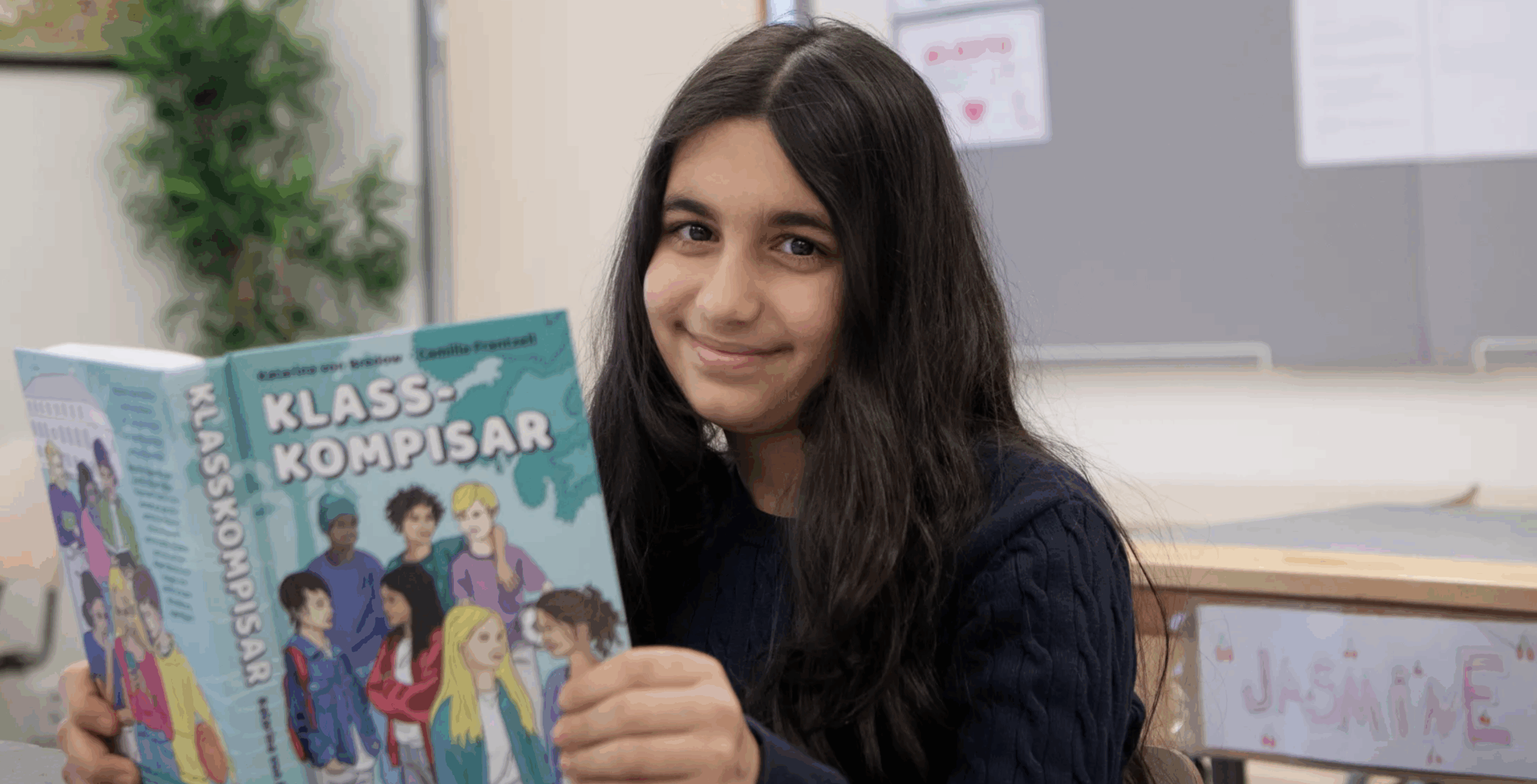
However, about fifteen years later, Sweden began reconsidering this direction and allocated €104 million between 2022 and 2025 to reintroduce printed textbooks in schools.
This shift was driven by concerns from teachers, parents, and officials about declining reading comprehension, shorter attention spans, and weaker writing skills in heavily digital classrooms.
The focus moved from the potential benefits of technology to actual student performance, prompting a reassessment of earlier decisions.
One major issue identified was distraction, as the same devices used for learning also gave access to games, social media, and other online content during class.
This made it harder for students to stay focused, forcing teachers to manage both lessons and digital distractions simultaneously.
As attention became more fragmented, concerns grew about how students engaged with reading and writing tasks.
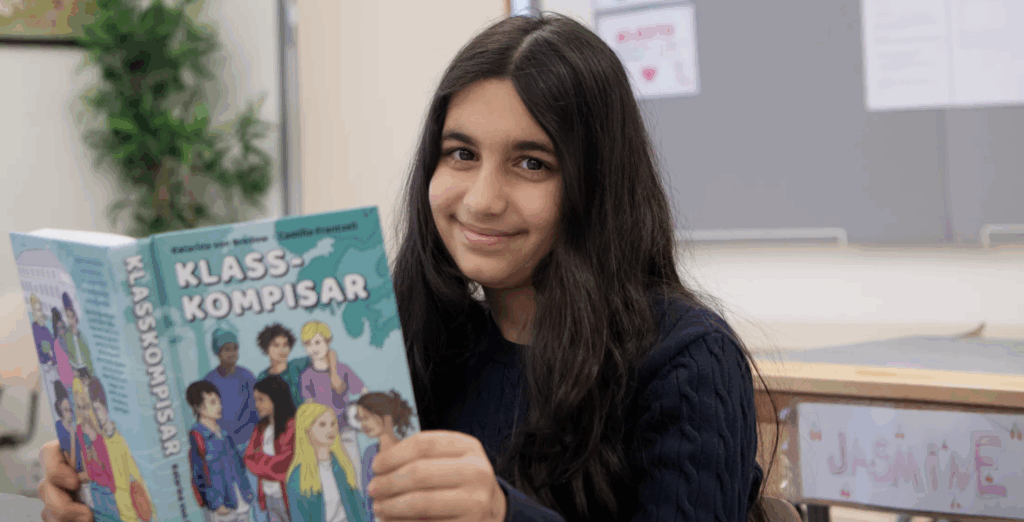
Consequently, printed textbooks are being reintroduced not out of nostalgia, but as a practical way to improve focus and support deeper reading.