Like a city gasping for breath at dawn, the law now turns its gaze toward the silent promise of electric wheels.
Powering Change Through the Courts
On Tuesday, February 24, 2026, the Supreme Court of India agreed to examine a plea urging State Governments to permit the installation and operation of electric vehicle (EV) charging infrastructure, particularly within group housing societies. The move is framed as a necessary and effective measure to combat rising pollution levels.
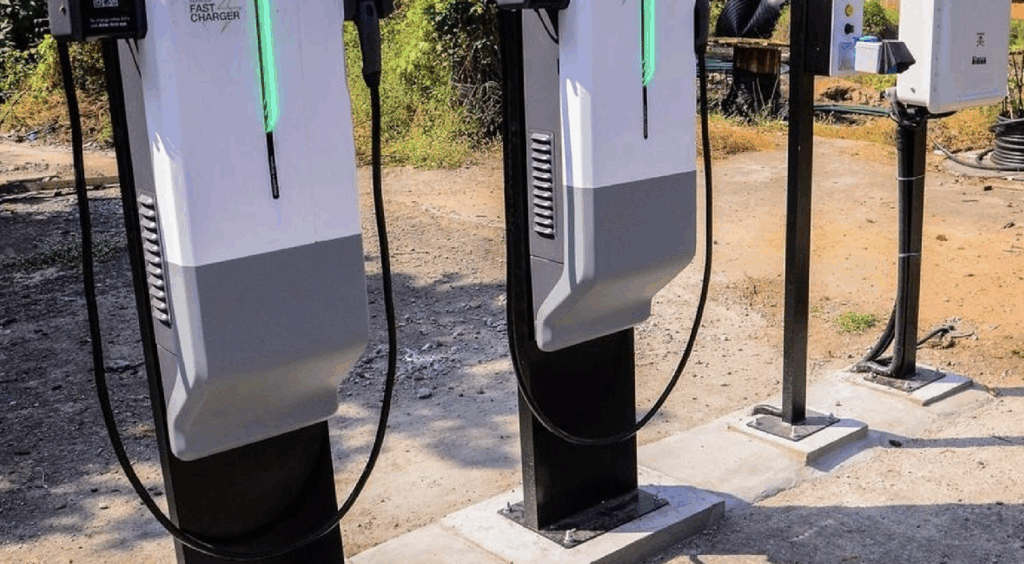
A Bench led by Chief Justice of India Surya Kant issued notice on a petition filed by Noida resident Rachit Katyal, represented by advocate Sriram Parakkat. The petition seeks directions to States to implement the Guidelines for Installation and Operation of Electric Vehicle Charging Infrastructure, 2024, arguing that their enforcement is essential for residents who wish to adopt cleaner modes of transport.
The plea contends that installing EV chargers would allow individuals to access “safe and sufficient infrastructure for charging their e-vehicles in the society at their own cost”. Despite approaching the Centre earlier, Mr. Katyal received no resolution, prompting him to seek judicial intervention.
When Policy Meets the Parking Lot
Highlighting the urgency of the matter, the petition states, “Despite more than a year, there has been no legislative intervention to address the issue of effective implementation Guidelines for Installation and Operation of Electric Vehicle Charging Infrastructure, 2024, which is a facet of Articles 14, 15, 16 and 21 of the Constitution of India,” the petition said.
Mr. Katyal pointed to his personal struggle as emblematic of a broader systemic gap. Though he purchased an electric vehicle in response to the growing demand for sustainable and eco-friendly transport, he has been unable to charge it within his own housing society. His experience underscores the disconnect between environmental aspirations and on-ground infrastructure, raising questions about access, equality, and the right to a cleaner environment.
As the courtroom doors open, the hum of possibility grows louder than the din of exhaust.
Summary
The Supreme Court of India has agreed to examine a plea seeking directions to States to implement the 2024 EV charging infrastructure guidelines, especially in group housing societies. Filed by Noida resident Rachit Katyal, the petition argues that lack of implementation violates constitutional rights and hampers access to safe, self-funded charging facilities for electric vehicle owners.