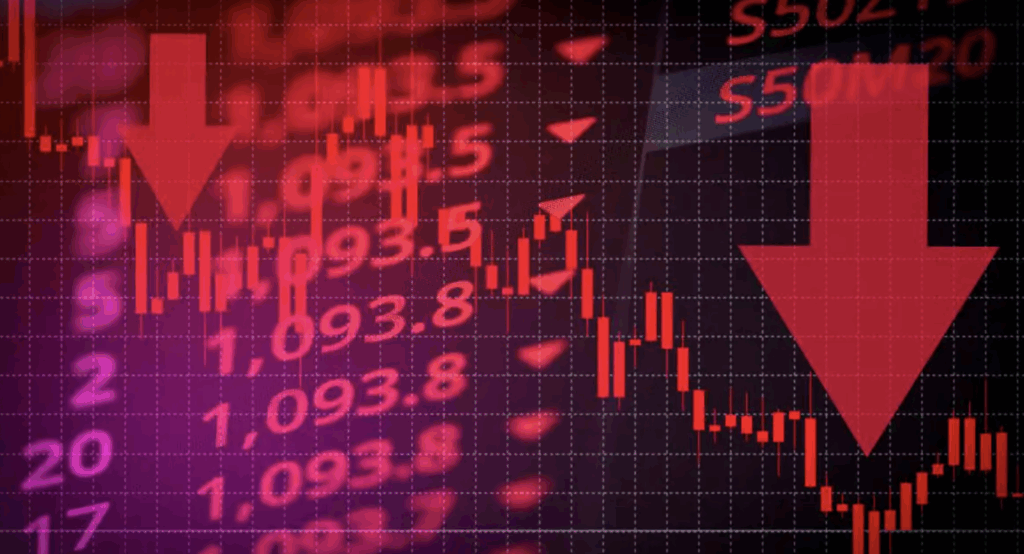
Indian equity markets witnessed sharp volatility on Budget Day 2026, with benchmark indices tumbling as investors digested key announcements and policy signals. The Sensex plunged by over 2300 points intraday, while the Nifty 50 slipped below crucial psychological levels, reflecting widespread nervousness across Dalal Street. The sell-off unfolded during a special trading session held on the day of the Union Budget presentation, amplifying market sensitivity to fiscal cues.
What Triggered the Sharp Market Fall?
The steep decline was largely driven by concerns around higher transaction costs in the derivatives market. The Budget introduced an increase in Securities Transaction Tax (STT) on futures and options, a move that directly impacts high-volume traders, brokerages, and market intermediaries. As derivatives account for a significant portion of daily market turnover, even a marginal cost hike was enough to spook investors and trigger aggressive selling.
Heavy Selling in Financial and Brokerage Stocks
Stocks linked to market infrastructure and brokerage services bore the brunt of the sell-off. Shares of entities associated with the Bombay Stock Exchange and trading platforms fell sharply, with some counters correcting in double digits. The fear of reduced trading volumes and lower profitability led investors to exit these stocks swiftly, adding to broader index losses.
Lack of Big-Bang Market-Friendly Announcements
Another factor weighing on sentiment was the absence of strong incentives for foreign portfolio investors (FPIs). Market participants had hoped for measures to attract overseas capital or provide relief amid global uncertainty. Instead, the Budget largely focused on fiscal consolidation and structural reforms, which, while positive in the long term, failed to deliver immediate triggers for equity markets.
Broader Market Mood: Risk-Off Takes Over
The sell-off was not limited to frontline indices. Broader markets also turned weak as investors adopted a risk-off approach, preferring to book profits and move to safer assets. High volatility on Budget Day is not unusual, but the magnitude of the fall underscored heightened sensitivity to policy changes affecting liquidity and trading behaviour.
What Happens Next?
Historically, sharp Budget Day reactions often cool off once markets reassess long-term implications. Analysts point out that while transaction cost hikes may hurt short-term sentiment, the Budget’s broader focus on infrastructure, fiscal discipline, and economic stability could support markets over time. Investors are now expected to shift focus to earnings, global cues, and policy execution in the coming weeks.
In summary, the Sensex crash of over 12300 points reflected immediate disappointment and caution rather than a verdict on India’s economic trajectory. As clarity emerges, markets may stabilise—reminding investors that Budget Day volatility is often intense, but not always enduring.