The Ministry of Road Transport and Highways (MoRTH) has proposed making Acoustic Vehicle Alerting Systems (AVAS) mandatory for electric cars, buses, and trucks to improve road safety.
AVAS is a safety feature for electric and hybrid vehicles that emits an artificial sound, helping pedestrians and road users detect the otherwise silent vehicles.
MoRTH Proposes Mandatory Acoustic Alert Systems for Electric Vehicles to Boost Road Safety
The draft notification from MoRTH suggests a phased rollout of the rule.
From October 1, 2026, all newly launched electric passenger and goods vehicle models must come fitted with AVAS.
From October 1, 2027, the requirement will also apply to existing models in Categories M and N.
Vehicles must use AVAS that complies with audibility standards set under AIS-173, which will be updated over time.
Category M covers passenger-focused EVs such as cars and buses, while Category N includes commercial EVs like trucks and goods carriers.
Similar regulations already exist for hybrid and electric vehicles in countries such as the US, Japan, and members of the European Union.
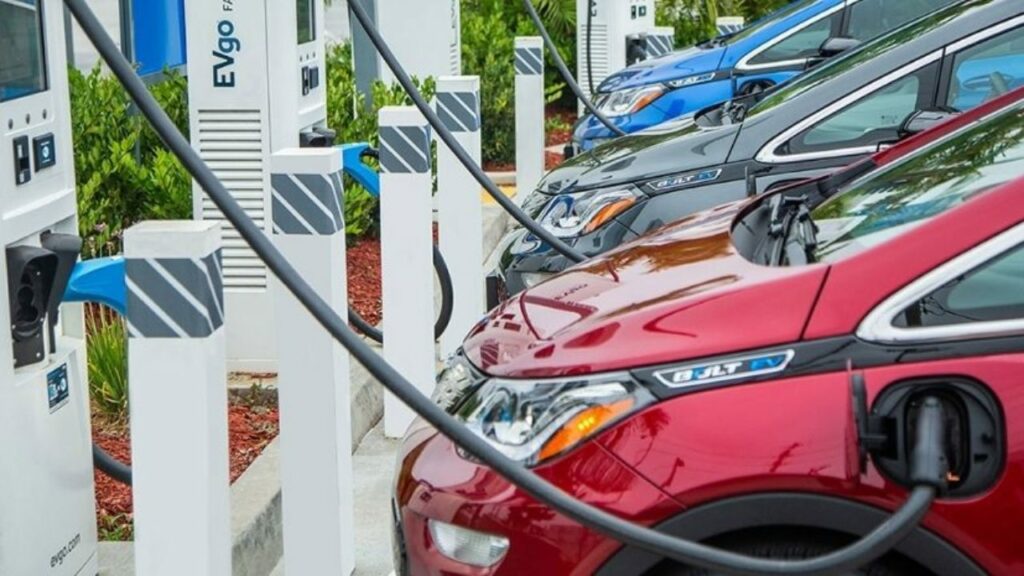
The central government is simultaneously boosting electric mobility by announcing guidelines for 72,300 public charging stations.
This project has a financial outlay of ₹2,000 crore under the PM E-DRIVE scheme and includes a tiered subsidy model.
As per reports, Bharat Heavy Electricals Limited (BHEL) has been named the Project Implementation Agency (PIA).
Funds for these charging stations will be released in two phases, tied to meeting performance targets.
The scheme prioritizes large cities with populations of over one million, metro-linked satellite towns, state capitals, and smart cities.
Govt to Expand EV Charging Infra on Highways and Key Public Transport Hubs
Charging infrastructure will also be developed along busy National and State Highways.
Public transport hubs like airports, railway stations, and fuel stations have been specifically chosen for infrastructure support.
MoRTH reiterated in the draft that all EVs—both passenger and commercial—will need to have AVAS by October 2027 to address the risks from silent EV operations.
AVAS is especially useful at low speeds, as it produces sound when an EV slows to below 20 kmph or accelerates up to 30 kmph.
These sounds are designed to be audible but not disruptive, ensuring both pedestrians and EV drivers can avoid accidents.
The feature is critical because EVs lack traditional engine noise, and additional sound insulation in vehicles further reduces audibility.
According to the US Department of Transportation, electric cars are 20% more likely to cause pedestrian accidents than petrol or diesel vehicles.
The risk of accidents rises by 50% when EVs operate at lower speeds.
Countries like the US, Japan, and those in Europe already mandate AVAS to counter this risk.
In India, some EV models such as the MG Comet EV, Tata Curvv EV, and Hyundai Creta Electric already include AVAS as a standard safety feature.