The Government of India has announced plans to mandate Vehicle-to-Vehicle (V2V) communication technology in cars and other vehicles by the end of 2026. This safety initiative is aimed at reducing road accidents by enabling vehicles to share information with each other in real time, alerting drivers to potential hazards and improving overall traffic safety.
What Is V2V Communication?
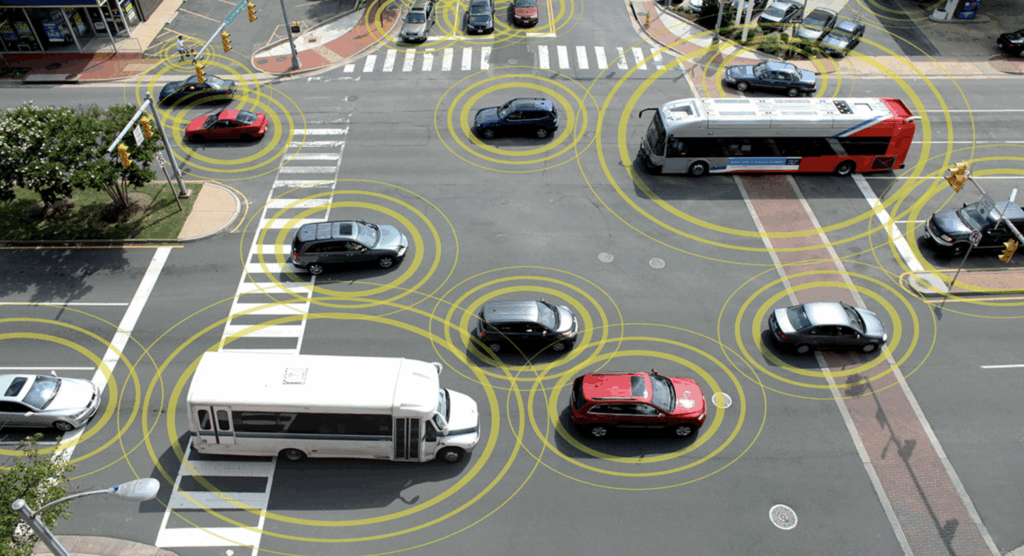
Vehicle-to-Vehicle communication is a system that allows vehicles to exchange data wirelessly about their speed, position, direction and other crucial parameters. When vehicles share this information, nearby vehicles receive real-time alerts about sudden braking, lane changes, approaching intersections, or the presence of emergency vehicles.
This smart communication network among vehicles helps drivers react faster to dangerous situations, potentially preventing collisions and saving lives.
Why This Mandate Now
India has one of the world’s highest road accident rates, with thousands of lives lost each year due to collisions, especially on busy highways and urban roads. The government believes that introducing V2V communication devices as a standard safety feature can significantly reduce such incidents by improving situational awareness on the road.
The decision aligns with broader efforts to modernise automotive safety standards, promote smart mobility, and reduce fatalities involving cars, two-wheelers and heavy vehicles alike.
How The Technology Works
Under the proposed framework, vehicles equipped with V2V systems will broadcast short messages containing information such as location, speed and direction at regular intervals. Other nearby vehicles receive this data and use advanced algorithms to predict collision risks.
For example, if a car ahead suddenly brakes or a vehicle suddenly appears from a blind spot, the system can alert the driver with visual or audio warnings, giving more time to react.
Implementation Timeline
The mandate is expected to be rolled out in phases, with full compliance required by the end of 2026. Auto manufacturers will need to install V2V communication devices in new vehicles before they can be sold. The government will issue detailed technical standards and timelines to ensure a smooth transition.
Vehicle safety regulators and industry experts will collaborate to finalise specifications, certification procedures and testing protocols for the new technology.
Benefits For Road Safety
Experts believe that widespread adoption of V2V communication can:
- Reduce multi-vehicle crashes
- Minimise rear-end collisions
- Improve response times in heavy traffic
- Enhance safety for pedestrians and cyclists
These systems work best in environments where many vehicles are equipped with the technology, creating a network effect that strengthens safety for all road users.
What It Means For Drivers
Once mandated, drivers can expect:
- Enhanced real-time alerts
- Greater awareness of hidden hazards
- A smarter, connected driving experience
The move represents a significant step toward connected and intelligent transportation systems across India’s road network.